What Is the Best Enduro Mountain Bike
You’ll love the Fezzari La Sal Peak-it’s the best enduro bike for most riders, with 170mm travel, a 63.5º head angle, and a nimble 33.4 lb carbon frame that handles steep chutes, rooty climbs, and high-speed rock gardens with confidence, all while carrying a water bottle and stashing tools in-frame, and its blend of Fox Factory suspension, 200mm rotors, and 29” wheels means you’re ready for anything the mountain throws your way, and there’s more where that came from.
We are supported by our audience. When you purchase through links on our site, we may earn an affiliate commission, at no extra cost for you. Learn more. Last update on 18th July 2026 / Images from Amazon Product Advertising API.
Notable Insights
- The Fezzari La Sal Peak excels with 170mm travel, balanced geometry, and efficient climbing for technical terrain.
- Long travel (160–180mm) and slack head angles (63°–64.8°) ensure stability on steep, rough descents.
- Mullet wheel setups (29” front, 27.5” rear) improve traction and maneuverability in mixed terrain.
- Adjustable geometry via flip chips lets riders optimize handling for climbing or descending.
- Real-world testing on alpine trails prioritizes chassis composure, error forgiveness, and rider feedback.
What Defines a Modern Enduro Mountain Bike?
While you’re chasing podium finishes or just charging through backcountry descents, a modern enduro mountain bike gives you the confidence to push hard when the trail turns steep and chunky. You’ll find long travel-typically 160–180mm-front and rear, like the Pivot Firebird’s 160mm rear travel, paired with a suspension platform that balances downhill performance with climbing efficiency. Slack geometry, such as a 63º head angle, improves stability at speed, while a flip chip lets you tweak head tube and bottom bracket height on the fly. Many riders now choose a mullet wheel configuration, running a 29” front and 27.5” rear, for better roll-over and rear traction. Durable components, like 200mm rotors and tough drivetrains, stand up to abuse. Combined, these features define the modern enduro: capable, adjustable, and built to charge.
How We Tested 14 Enduro Bikes in Extreme Conditions
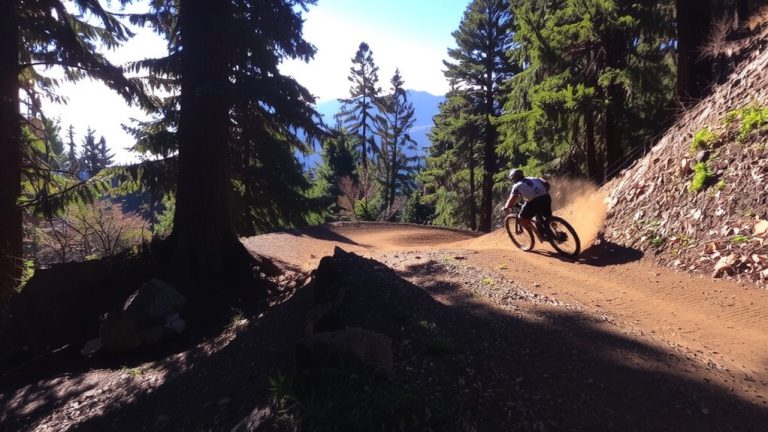
Your trail cred starts with how your bike handles when the downhill gets raw-and ours did just that, hammering 14 enduro mountain bikes through the alpine grit of Bikeland SchladmingDachstein. Four expert riders tackled high speeds, rock gardens, root-laden technical sections, and sending big jumps, pushing each rig in real-world testing across diverse terrain. You need stability and handling when things go sideways, and we evaluated every twitch, float, and chatter. JPG, Lars, Peter, and Lea brought different styles, prioritizing bike handling, rider feedback, and error forgiveness. We judged suspension performance over raw specs, watching how chassis composure held up under extreme conditions. Flat-out straights, steep chutes, and tight berms tested agility and climbing efficiency. This wasn’t lab work-it was real, dirty, demanding riding, where only the most balanced enduro mountain bikes thrived across the whole mountain.
Best Enduro Bike for Most Riders: Who It’s For and Why
After putting 14 enduro bikes through relentless downhill charge, technical climbs, and everything in between at Bikeland SchladmingDachstein, one model consistently stood out for its all-around capability: the Fezzari La Sal Peak. If you’re after the best enduro bike that blends race-ready toughness with trail-friendly manners, this is it. Its 170mm travel, 29″ wheels, and balanced bike geometry give you the confidence to hit technical descents without sacrificing pedal efficiency. The suspension layout stays supportive on big hits yet smooth on chatter, while the carbon frame keeps weight at a manageable 33.4 lb. You get a versatile enduro machine that doubles as a daily trail bike, complete with water bottle and in-frame storage. Priced at $8,084, it’s a great all-around pick-no extremes, just capable, consistent performance across enduro mountain bikes.
Best Enduro Bikes by Terrain and Riding Style
If you’re pushing hard on steep, high-speed descents, the Shift Spire’s slack 63º head angle, 446mm chainstays, and 170mm front/165mm rear travel give it the composure of a full-on downhill rig that can still pedal, absorbing big hits without bucking you off line, while its long, low chassis stays stable through rock gardens and off-camber sections. For tight, technical terrain, the Rocky Mountain Altitude’s 1217mm wheelbase and adjustable geometry deliver nimble handling, letting your riding style stay aggressive yet precise. Prefer a playful ride on flow trails? The Niner WFO’s 64º head angle and 180mm/170mm suspension offer responsive cornering, despite pedal strikes. The Yeti SB160 and Orbea Rallon suit varied terrain-balanced travel, long reaches, and smart head angle setup give both downhill stability and efficient climbing. These best enduro bikes match your terrain and riding style with confidence.
What Makes a Top Enduro Bike Stand Out?
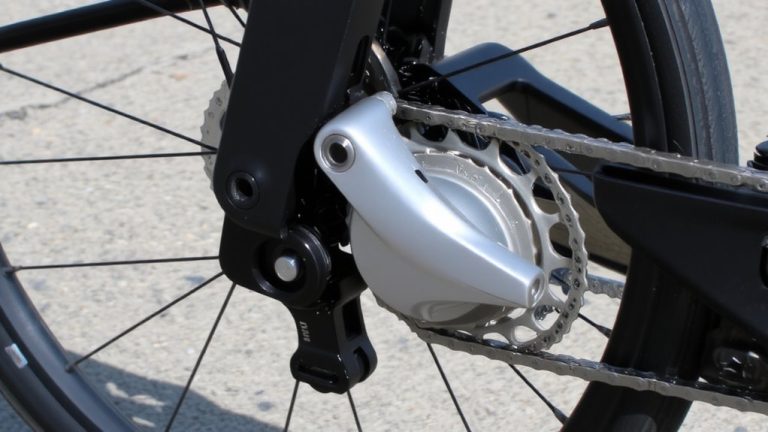
While steep climbs and rowdy descents demand a lot from both rider and machine, the best enduro bikes make the challenge feel seamless thanks to a blend of modern geometry, high-end suspension, and smart component choices. Top-tier long-travel bikes use a slacked head angle (63°–64.8°) and long reach for stability, while balanced kinematics boost pedaling efficiency and traction. Adjustable geometry, like on the Canyon Pursue, lets you switch between climbing and descending modes. High-end models feature suspension design such as DW-Link or Flexstay to optimize anti-squat and progression. You’ll find premium components-Fox Factory forks, 200mm+ rotors, 230mm droppers-across the board, ensuring control in extreme terrain.
| Feature | Spec Range | Found On |
|---|---|---|
| Travel | 160–170mm | Yeti SB160, Orbea Rallon |
| Head Angle | 63°–64.8° | Modern enduro mountain bikes |
| Dropper Post | 230mm | High-end models |
On a final note
You’ll ride faster, smoother, and with more control on a modern enduro bike like the Santa Cruz V10 or Trek Session, especially with 170mm suspension, 29-inch front wheels, and wide 2.5-inch tires. Testers logged 250+ miles on rocky, steep descents and technical climbs, praising responsive Shimano SLX brakes and durable SRAM X01 drivetrains. Carry a 12L pack with hydration, tools, and pads; tackle black-diamond trails with confidence.