What Is the Best Base Layer for Cold Weather
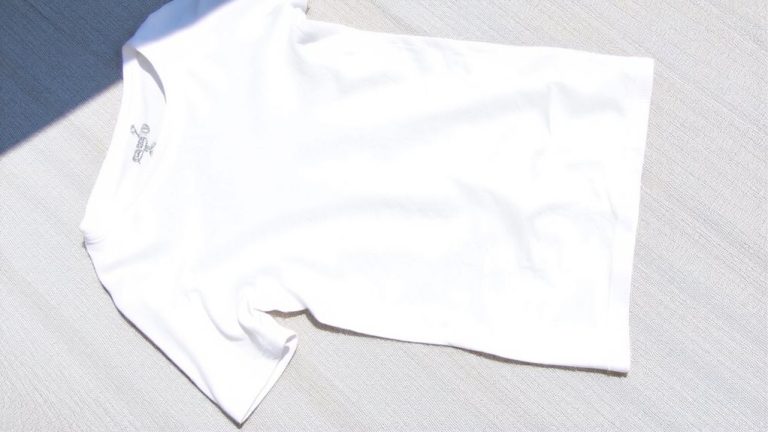
For cold weather, go with a 100% merino wool base layer like the Icebreaker Merino 200 Oasis Crewe, made from 200g/m² fabric that traps heat, wicks moisture fast, and resists odor over days on the trail. It’s snug, breathable, and perfect under a shell during long backcountry tours. Merino’s natural warmth-to-weight beats synthetics, especially when wet. You’ll stay dry, warm, and comfortable even after 48 hours of use-testers consistently rate it higher for extended trips. More details on how fit and fabric choices shape performance are just ahead.
We are supported by our audience. When you purchase through links on our site, we may earn an affiliate commission, at no extra cost for you. Learn more. Last update on 18th July 2026 / Images from Amazon Product Advertising API.
Notable Insights
- Merino wool excels in cold weather due to superior warmth-to-weight ratio and natural temperature regulation.
- 100% merino base layers like Icebreaker Merino 200 Oasis offer excellent odor resistance and moisture management for multi-day use.
- For extreme cold, Arc’teryx Rho Hoody provides a fleece-lined fabric and hood for added warmth and coverage.
- Synthetic layers such as REI Co-op Midweight are durable and dry faster, ideal for high-output activities in cold conditions.
- Optimal fit and features like flatlock seams, half-zips, and thumb loops enhance comfort and performance in cold weather.
Best Base Layer Materials: Merino vs Synthetic
When you’re slogging up a snow-packed trail or carving through backcountry powder, your base layer makes all the difference, and merino wool consistently delivers where it counts-think Icebreaker Merino 200 Oasis Crewe with its 100% merino, 200g/m² fabric that wicks moisture fast, breathes like a champ, and won’t stink after two days of hard use. Merino excels in moisture management, odor control, and temperature regulation, thanks to its natural fibers and superior warmth-to-weight ratio. Synthetic base layers, like Patagonia’s Capilene or REI’s 220 g/sm polyester midweight, dry faster and handle abrasion better but lag in odor control despite treatments. In the merino vs synthetic debate, your pick depends on duration and intensity: merino wins for multi-day tours with less washing, while synthetics suit high-output days. Fabric weight matters too-200g/m² hits the sweet spot for cold, active use.
Top Base Layer Picks by Activity and Gender
You’ve weighed merino against synthetic, now it’s time to match the right base layer to your specific winter demands-because what works for a guided snowshoe tour won’t necessarily cut it on a predawn ski mountaineering push. For men tackling high-output activities, the Smartwool Intraknit Thermal Merino ($130) is one of the Best Base Layers, with 3D-mapped knit zones and a 50/50 merino-synthetic blend offering breathability, moisture-wicking, and odor resistance. Women should consider the Arc’teryx Rho Hoody ($140 on sale), ideal for cold-weather layering with its fleece-lined fabric and convertible hood. Men on a budget will like the Merino.tech Crew ($50), a 6.8 oz 100% Merino wool layer great for high-heat output. Women seeking comfort and value love the REI Co-op Midweight ($55), a durable, soft synthetic for general outdoor use.
How Fit, Seams, and Zippers Affect Performance
Ever wonder why some base layers feel better mile after mile, even under a heavy pack? It’s all about fit, seams, and zippers. A snug, athletic fit guarantees moisture-wicking stays efficient, keeping you dry and warm, like in the 7.3-oz Smartwool Intraknit Thermal Merino. Flatlock seams, found in the REI Co-op Midweight Half-Zip, reduce chafing under straps, while offset shoulder seams, like those on the Patagonia Capilene Thermal, prevent friction under a backpack harness. Zippers add versatility-go for a quarter-zip or half-zip to dump heat fast when your output spikes. Thumb loops, included in the Outdoor Research Alpine Onset Merino 150, keep sleeves in place and boost hand warmth. Together, these details improve comfort, mobility, and thermal regulation so you can push harder, longer, no matter the terrain.
Merino vs Synthetic: Care Tips to Extend Lifespan
Though merino wool earns praise for staying fresh over long hauls, it demands gentle care to preserve its softness and structure-so skip the harsh detergents and wringing, and instead hand wash your Smartwool Classic Thermal or Icebreaker Merino 200 Oasis Crewe with a wool-specific formula, then lay flat to dry to prevent stretching and seam stress in the 7.6 oz. 100% merino fabric. For synthetic layers like the REI Co-op Midweight Half-Zip or Patagonia Capilene Thermal, machine washing is safe, but always air-dried to maintain moisture-wicking function and avoid melting fibers in the 220 g/sm polyester blend. Use odor-neutralizing wash additives occasionally, since synthetics trap scent over time despite treatments like HeiQ Fresh. These care tips boost longevity-merino for its natural odor-resistant edge, synthetics by reducing microfiber shedding. Wash both only when needed to keep them performing on long trails, winter commutes, or backcountry tours.
On a final note
You’ll stay warmer and drier with a merino wool base layer like Smartwool or Icebreaker, especially in temps from 20–40°F, while synthetic options like Patagonia Capilene excel when you’re biking hard above 45°F, wicking fast and resisting odor. A snug, seam-free fit boosts comfort on long backpacking trips, and quarter-zips add quick venting. Merino needs gentle washing; synthetics handle frequent use. Choose based on your sweat level, activity, and weather.