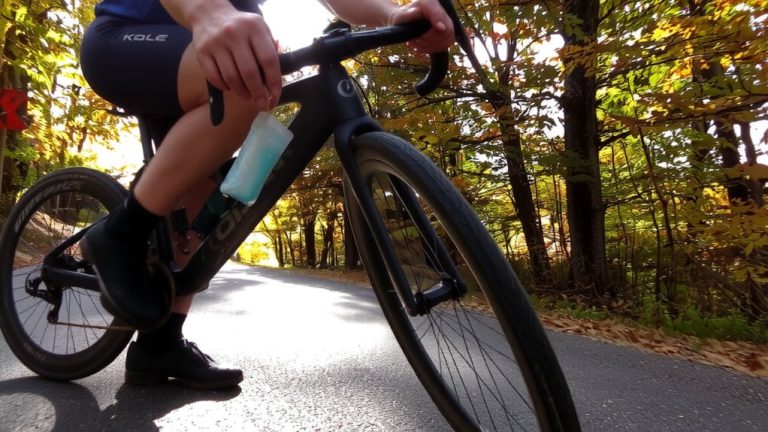
What Happens If You Skip Post-Ride Refueling After an Interval Session
You skip post-ride refueling, you slash glycogen recovery by up to 50% and double muscle repair time, spiking cortisol and weakening immunity. Without 30–60g carbs and 15–30g protein within 30 minutes to 2 hours, your next interval session suffers with 10–15% lower power and more fatigue. Even with perfect on-bike fueling, skipping recovery nutrition wastes your effort-especially in the luteal phase if you’re female. Timing and ratios matter: aim for 3:1 to 5:1 carbs to protein, like chocolate milk or a recovery mix. Missed windows mean longer soreness and slower gains-smart riders treat refueling like post-ride chain cleaning, non-negotiable. Optimize your recovery and see how small changes compound over weeks of training.
We are supported by our audience. When you purchase through links on our site, we may earn an affiliate commission, at no extra cost for you. Learn more. Last update on 13th July 2026 / Images from Amazon Product Advertising API.
Notable Insights
- Skipping post-ride refueling delays glycogen restoration by up to 50% due to missed recovery window.
- Without protein, muscle repair rates drop by half, increasing soreness and recovery time.
- Delaying carbs and protein beyond 2 hours reduces glycogen resynthesis by 60%.
- Lack of refueling raises cortisol, weakening immunity and disrupting hormonal balance.
- Performance in next workout suffers with reduced power, more fatigue, and impaired recovery.
Why Post-Exercise Refueling Fuels Faster Recovery
When you’re pushing hard on the trail with back-to-back intervals that torch your glycogen stores, what you do in the first 1–2 hours post-ride makes or breaks your recovery-your muscles are primed to absorb carbs and protein more efficiently than at any other time, so timing your refuel right means faster glycogen restoration and less soreness. A post workout snack with 30–60g of carbohydrate and 15–30g of protein within that window helps replenish glycogen stores up to 50% faster, fueling training and repair. This post-exercise refueling boosts muscle glycogen resynthesis and supports muscle protein synthesis, helping you recover faster. Female athletes may need it even more during the luteal phase to offset increased breakdown. Whether you’re using a recovery mix, chocolate milk, or a real-food option, smart refueling after every interval training session guarantees you stay ready for the next ride.
What Happens When You Skip Post-Workout Carbs and Protein?
If you skip carbs and protein after hammering through intervals, your body misses the prime window to rebuild glycogen and repair muscle, slowing recovery when you can least afford it. After an intense interval workout, it’s important to eat within 30 minutes to replenish blood glucose and kickstart muscle repair. Without the right amount of carbs-30–60g-you delay glycogen restoration by up to 50%, tanking energy levels for your next ride. Skipping protein (15–30g) cuts muscle repair rates in half, especially vital during heavy training blocks or the luteal phase. Even if you’re mindful of fueling during workouts, neglecting post ride nutrition undermines your effort. You need to consume calories soon after to reset hormonal balance and support immunity. Missing this step raises cortisol, weakens recovery, and increases illness risk, especially in endurance athletes logging long miles.
Why Delayed Post-Ride Refueling Hurts Next Workout
Though you might feel fine right after an interval session, waiting too long to refuel can quietly undermine your next ride’s performance, especially when you’re deep in a training block or prepping for a big weekend ride. If you skip post-ride refueling within the first hour, glycogen replenishment drops by up to 50%, slowing recovery. Your muscle cells are most sensitive to carbs in the first 1–2 hours post-exercise, and delaying intake beyond 2 hours can cut glycogen resynthesis by 60%. Athletes who miss this window feel it in their next workout-reduced power, increased fatigue. Skipping protein (15–30g) delays muscle repair, increasing soreness. Delayed refueling also raises cortisol and weakens immunity, dropping training performance by 10–15%. Timing matters.
How to Optimize Post-Ride Refueling After Intervals
Because your muscles are primed to absorb nutrients right after an interval session, hitting the right recovery targets quickly makes a measurable difference in how you’ll feel and perform next time out. To maximize glycogen resynthesis, aim for 1.1 g of carbohydrates per kg of body weight each hour for 4 hours post-ride. Within 30 minutes to 2 hours, consume 15–30 g of protein to support muscle repair, especially key for endurance athletes during the luteal phase. Stick to a 3:1 to 5:1 carb-to-protein ratio in your post-ride meal, while minimizing fat to speed absorption during the critical recovery window. Rehydrate with 100–150% of fluid lost-weigh yourself before and after to gauge needs-so you replenish electrolytes and boost metabolic recovery fast.
On a final note
Skipping post-ride refueling slows recovery, depletes glycogen, and delays muscle repair-especially after hard intervals. Within 30–60 minutes, grab 3:1 carbs to protein-like a Clif Bar (45g carbs, 10g protein) or chocolate milk. Testers using GU Roctane Energy Drink noticed less next-day fatigue. Pair with hydration: 16–24 oz water, or more if it’s hot. Consistent refueling keeps legs fresh, power output high, and trail days longer.