Signs Your Body Needs More Magnesium After Heavy Pedaling Days
You’re cramping in your quads and hamstrings, especially after hot, sweaty rides indoors where heat builds and sweat hits 1.5 liters per hour. You feel tired, foggy, and slow to recover because low magnesium disrupts nerve signals and ATP energy. Most sports drinks skip magnesium-the “forgotten electrolyte”-so losses go unreplaced. Almonds, spinach, or a 300–420 mg post-ride dose of magnesium glycinate can restore up to 12% lost, boost recovery, and sharpen focus-especially when paired with carbs and protein. There’s more to optimizing your recharge.
We are supported by our audience. When you purchase through links on our site, we may earn an affiliate commission, at no extra cost for you. Learn more. Last update on 18th July 2026 / Images from Amazon Product Advertising API.
Notable Insights
- Frequent cramps in quads and hamstrings during or after intense rides signal magnesium deficiency.
- Post-ride fatigue and mental fog may result from low magnesium impairing energy production.
- Excessive sweating indoors can deplete up to 12% of magnesium stores in one session.
- Most sports drinks lack magnesium, increasing risk of electrolyte imbalance and cramping.
- Improved recovery occurs when 300–420 mg of magnesium is taken within an hour post-exercise.
Are You Cramping? It Might Be Low Magnesium
Ever wonder why your quads lock up halfway through a long ride, especially when hammering hill repeats on a hot day? That cramping could be a sign of magnesium deficiency. Magnesium supports muscle and nerve function, and when levels drop, it disrupts electrolyte balance, leading to exercise-related cramps. Sweat-heavy efforts, like indoor cycling or summer trail rides, accelerate magnesium loss-studies show endurance athletes can lose up to 12% of their stores. Without enough magnesium, potassium regulation falters and calcium floods nerves, causing involuntary contractions. Most sports drinks replace sodium and potassium but skip magnesium, the “forgotten electrolyte,” leaving you prone to muscle cramps. Chronic cramping is a key symptom of magnesium deficiency. Watch for tight hamstrings too. Testers using electrolyte mixes with 100–150mg magnesium per serving reported fewer cramps, especially on long gravel or mountain rides in high heat.
Feeling Tired and Foggy? Magnesium Deficiency Could Be Why
Why do you feel drained and unfocused after a tough ride, even when you’ve fueled up on carbs and stayed hydrated? It could be magnesium deficiency. Low magnesium levels impair nerve transmission and muscle function, while slowing energy production-leaving you tired and foggy. After heavy pedaling, fatigue and mental fog are red flags your body might be running low. Cyclists often lose magnesium through sweat, dropping stores up to 12%, worsening post-ride fatigue and mental fog.
| Function | Role of Magnesium | Impact of Deficiency |
|---|---|---|
| Energy Production | Supports ATP synthesis | Reduced stamina, fatigue |
| Nerve Transmission | Regulates signals | Brain fog, slow focus |
| Muscle Function | Aids contraction/relaxation | Cramps, sluggish recovery |
Magnesium supplementation can help, especially when diet falls short. Men need 400–420 mg/day, women 310–320 mg. Boosting magnesium levels improves mental clarity and cuts fatigue, keeping you sharp on long climbs or technical trails.
Why Cyclists Lose Magnesium Faster: Especially Indoors
You lose more magnesium than you might think when you’re pushing hard on the trainer, especially in a stuffy room with a fan blowing but little real airflow. Indoor cycling traps heat, boosting sweat and driving high sweat rates-up to 1.5 liters per hour in intense endurance training. That sweat carries magnesium, and studies show you can lose 12% of your magnesium stores in a single session. Poor ventilation means less evaporation, so you sweat more, accelerating magnesium depletion. Most sports drinks replace sodium and potassium but ignore magnesium loss, leaving you prone to electrolyte imbalance. Without enough magnesium, neuromuscular control slips, and muscle cramps in your quads or hamstrings become more likely. Even with proper gear and hydration, indoor cycling uniquely strains your body’s magnesium stores, making replenishment essential for recovery and performance, not just comfort.
Best Magnesium-Rich Foods and Supplements for Cyclists
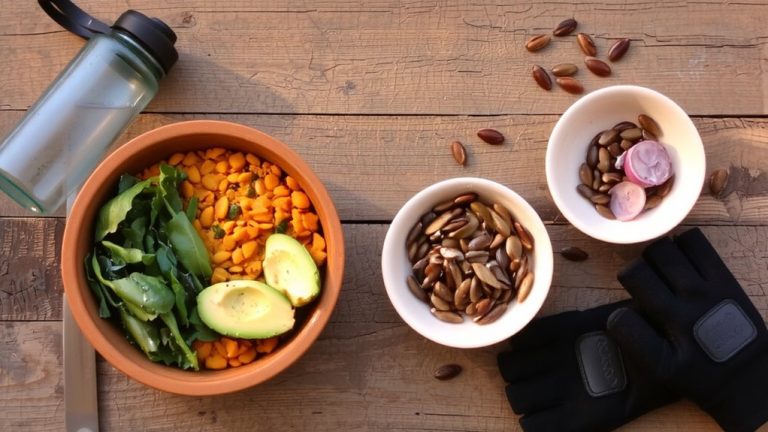
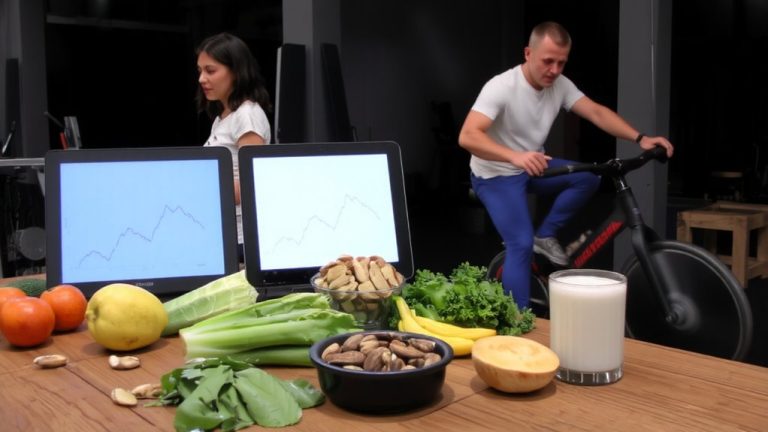
Almonds pack a serious punch when it comes to magnesium, delivering 192 mg per half-cup serving-nearly half your daily needs covered in a handful. You can boost your dietary magnesium easily with other magnesium-rich foods like spinach, which offers 157 mg per cooked cup, supporting neuromuscular function and recovery. When food isn’t enough, magnesium supplements help maintain ideal magnesium intake. Magnesium glycinate is gentle and effective, reducing muscle cramps and improving sleep without gut issues. For faster absorption, magnesium citrate works well, but keep doses under 350 mg to avoid diarrhea. Many electrolyte supplements now include magnesium to counter the 12% loss from sweat during intense indoor rides. Pairing almonds and spinach with quality magnesium supplements like magnesium glycinate or citrate guarantees strong, cramp-free performance on and off the saddle.
When to Take Magnesium for Faster Recovery
While hitting the showers after a tough ride, your body’s already craving what it lost on the trail-especially magnesium, a mineral critical for muscle recovery and energy production. Taking 300–420 mg of magnesium post-exercise, ideally as magnesium glycinate or magnesium citrate, within 30–60 minutes helps replace sweat-induced losses-up to 12% of stores depleted during heavy pedaling. Pair it with carbs and protein to boost protein synthesis and ATP production, speeding up recovery. These forms also support better sleep quality by calming neurotransmitters, helping you recharge faster. For maximum absorption and fewer gastrointestinal side effects, take magnesium with food. Cyclists report less soreness and tighter recovery windows when they stick to this routine, especially after long trail sessions or intense interval training.
On a final note
You’re pushing hard, so don’t skip magnesium-it fights cramps, boosts recovery, and sharpens focus. After long rides, especially indoors where sweat loss is high, replenish with 300–400 mg daily. Opt for magnesium glycinate or threonate; they absorb well and won’t upset your stomach. Pair with leafy greens, pumpkin seeds, or a portable electrolyte mix. Take it post-ride or before bed to speed muscle repair. Real cyclists report fewer leg cramps, better sleep, and clearer heads on multi-day trail packs.