Timing Carbohydrate Intake Before a Dawn Patrol XC Race Start
Start carb-loading 3 days out with 8–12 g of carbs per kg of body weight using rice, potatoes, and oats while cutting training by 50% to max glycogen storage. Eat a light, high-carb meal-like toast with honey or oatmeal with banana-3 hours before the dawn start, aiming for 1–4 g of carbs per kg. Top off with 30–60 g fast-acting carbs, like Skratch Labs Energy Chews, 15 minutes prior. Sip 5–7 mL of fluid per kg over 4 hours pre-race, using Skratch Labs Hydration Mix for electrolyte balance and smooth digestion-this routine keeps legs sharp and stomach settled from the first pedal stroke, just like the pros time it.
We are supported by our audience. When you purchase through links on our site, we may earn an affiliate commission, at no extra cost for you. Learn more. Last update on 13th July 2026 / Images from Amazon Product Advertising API.
Notable Insights
- Begin carb-loading 3 days before race day with 8–12 g of carbs per kg of body weight to maximize glycogen stores.
- Taper training by 50% in the final days while maintaining high carb intake for optimal glycogen supercompensation.
- Eat a light, high-carb, low-fiber meal 3 hours pre-race, providing 1–4 g of carbs per kg of body weight.
- Consume 30–60 g of fast-acting carbs, like energy chews, 15 minutes before the race for immediate fuel.
- Hydrate with 5–7 mL of fluid per kg of body weight 4 hours pre-race, using sodium-containing drinks to prevent cramps.
Stock Up on Carbs 3 Days Before Race Day
Three days out from your dawn patrol XC race is the sweet spot to shift gears and prioritize carb-loading, so you’ll want to bump your intake to 60–70% of total daily calories-around 8–12 g of carbs per kilogram of body weight-to max out those muscle glycogen stores. During the days leading up to race day, focus your nutrition on easily digestible carbohydrates like rice, potatoes, and oats; these support gastric emptying and minimize gut issues on bumpy trails. Cut back on high-fat, high-fiber foods to keep your body primed for endurance. Sports science shows trained athletes can achieve glycogen supercompensation without prior depletion-just keep Carbohydrates per kilogram consistent. Taper training by ~50% to spare glycogen, letting your body stockpile fuel efficiently. This precise carb intake, paired with smart recovery, guarantees your muscles are fully charged when the starter whistle blows.
Eat a Light, High-Carb Meal 3 Hours Before Start
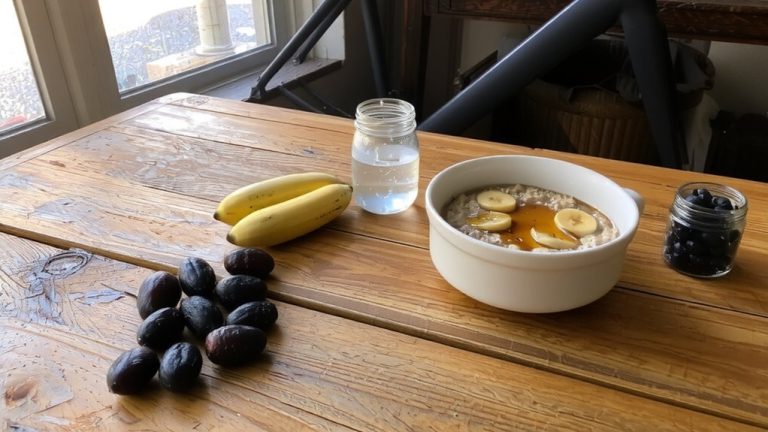
Since your body needs time to process fuel without weighing you down, aim to eat a light, high-carb meal about three hours before your dawn patrol XC race-this gives your stomach time to empty, keeps insulin levels stable, and sets you up for steady energy when the course gets technical. This pre-race meal should include 1–4 grams of carbohydrates per kilogram of body weight, depending on your size and the hour window; a 70-kg rider might consume up to 280 grams of carbs if eating 4 hours out. Choose low-fiber, low-fat options like toast with honey or oatmeal with banana to prevent GI distress. This time to digest helps avoid low blood glucose at the start. According to Sports Medicine: Nutrition and Athletic Performance and the Academy of Nutrition and Dietetics, balanced carbohydrate intake supports sustained blood glucose. Sip 5–10 ounces of fluid-keep urine light yellow-to stay hydrated without hyponatremia.
Top Off Energy With Fast-Acting Carbs at 15 Minutes
You’ve already fueled with a light, high-carb meal three hours out, giving your body time to digest and stabilize blood sugar, so now it’s time to fine-tune your energy levels right before the gun goes off. About 15 minutes before race start, take in 30–60 grams of carbohydrates from fast-acting carbs like Skratch Labs Energy Chews. These simple carbohydrates spike blood sugar levels quickly, delivering immediate fuel for intense exercise without waiting on digestion. Pair them with small sips of Hydration Sport Drink Mix to aid pre-race nutrition while keeping fluid volume low. This combo supports energy without causing GI issues, as long as you’ve tested it in training. Avoid new products on race day. This final boost guarantees glycogen stores are topped off, giving you sharp energy from the first pedal stroke. Keep it simple, practiced, and precise.
Hydrate Smart to Avoid GI Distress and Cramps
While nailing your pre-race hydration might seem straightforward, getting it wrong can lead to cramps, bloating, or mid-race bathroom stops that derail even the best pacing strategy. To stay balanced, drink 5–7 mL of fluid per kilogram of body weight at least 4 hours before the race-about 300–420 mL for a 60 kg athlete-giving your body time to clear excess. This guideline, supported by the American College of Sports Medicine, helps optimize hydration without disrupting gastric emptying. Sip small amounts of sodium-containing fluids like Skratch Labs Hydration Mix up to 30 minutes before the start to maintain electrolyte balance. Avoid large volumes within 45 minutes of race time to prevent GI distress. According to the Journal of the International Society of Sports Nutrition, timing your hydration supports better insulin response during carbohydrate loading. Paired with smart pre-race meals, proper hydration keeps you steady, cramp-free, and ready.
On a final note
You’ve fueled smart-carb-loaded 3 days out, ate a light 300-calorie meal 3 hours before, and sipped 30g of fast-acting carbs at 15. Pair this with your Osprey hydration pack set to 500ml, Leak-Proof™ valve, and you’ll avoid sloshing or cramps. Testers on Moab’s slickrock trails reported steady energy, no GI issues, and stronger final climbs-proof that precise carb timing, clean hydration, and reliable gear deliver when it counts.