How to Use the Buddy System for Safer Remote Mountain Biking
Ride with a buddy to scout hazards like loose rock, slick roots, and sudden drops on remote singletrack. Share essential gear: carry a multi-tool with chain breaker, 27.5” spare tube, 120 psi pump or CO2 inflator with two 16g cartridges, first aid kit, and a Garmin inReach Mini 2 for SOS. Use hand signals-two fingers for roots, palm back to stop-and confirm them early. Stay synced with eye contact and regroup at planned points, so you’re always prepared when things go sideways. There’s more where that came from.
We are supported by our audience. When you purchase through links on our site, we may earn an affiliate commission, at no extra cost for you. Learn more. Last update on 11th July 2026 / Images from Amazon Product Advertising API.
Notable Insights
- Scout hazards ahead by riding in pairs, with one rider checking for dangers like loose rock and signaling with hand cues.
- Share essential gear like multi-tools, spare tubes, first aid supplies, and a satellite communicator for emergencies.
- Use standardized hand signals for turns, stops, and slowing, confirming understanding before riding to prevent miscommunication.
- Respond immediately to falls or injuries using first aid, signaling devices, and GPS-enabled SOS tools to summon help.
- Plan rides together by confirming routes, checking cell service, setting regroup points, and sharing emergency contacts.
Scout Hazards Ahead With a Riding Buddy
While you’re focused on your line, your riding buddy can scout hazards ahead, giving you extra time to react to tricky trail features like loose rock, sudden drops, or slick roots. When you ride with a buddy, scouting becomes seamless-especially on remote singletrack where trail conditions change fast. The lead rider tests sketchy sections, then signals back with simple hand cues: two fingers for roots, palm back for stop, flat hand for slow. This real-time communication lets you adjust speed or line choice before hitting trouble. In the Noble County Bicycle Club, members always ride with a buddy to boost safety through active scouting. Whether you’re maneuvering wet roots on a 15% descent or a 6-inch-wide ledge, having a partner ahead means you see risks sooner. Scouting isn’t just helpful-it’s essential for smart mountain biking. It keeps reaction distances practical, skills matched to terrain, and rides flowing smoothly.
Share Gear and Skills Before You Ride
Before you hit the trail, make sure you and your buddy are ready to handle the unexpected by sharing essential gear and skills-you’ll both want a multi-tool with a chain breaker, a spare tube sized for your rims (27.5” or 29”), and a portable pump that delivers at least 120 psi or a CO2 inflator with two 16g cartridges. Practice fixing a flat or repairing a chain together so either of you can help if trouble strikes. Pack a shared first aid kit with antiseptic wipes, bandages, and iodine tablets for cuts or water purification. Carry a personal locator beacon or satellite messenger either buddy can activate if help’s needed and cell service is out. Bring at least 20 oz of water and extra snacks to share-running low shouldn’t mean cutting the ride short. Trusting your riding buddy starts with knowing you’ve both got the tools, the know-how, and the spare tube when it counts.
Use Hand Signals to Stay in Sync
You’ve already shared tools, spare tubes, and skills with your buddy, so now it’s time to stay connected on the move-starting with clear, consistent hand signals. When riding on narrow mountain trails, signaling turns and stops is essential for MOUNTAIN BIKE safety. Extend your left arm straight out to indicate a left turn, and point your left arm downward, palm back, to signal slowing or stopping-this gives riders behind you time to react. Always make signals at least three seconds before acting, especially on technical downhill sections. Before hitting the trail, confirm everyone’s on the same page with signals-clarity prevents crashes. After signaling, make eye contact to verify your buddy saw it. Whether you’re riding singletrack or rolling fire roads, good communication keeps the group synced, safe, and focused on the ride.
Respond Fast When Trouble Strikes
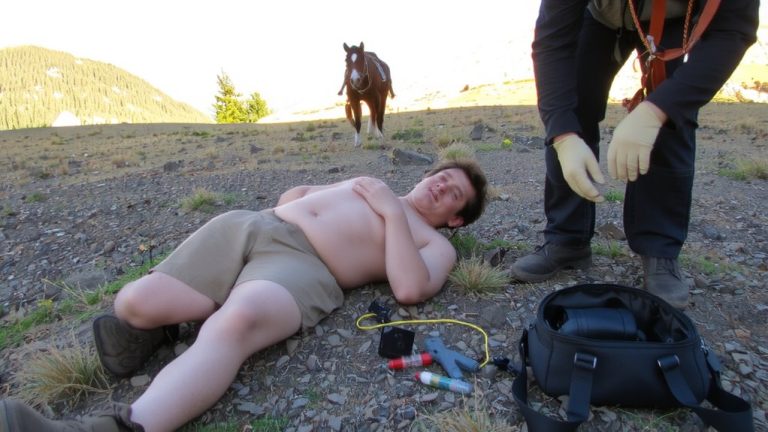
When the trail throws a curve and your riding partner goes down hard, every second counts-especially in remote zones where help might be over an hour away. That’s when riding with a friend makes all the difference. Your buddy can respond fast when trouble strikes, calling for help via satellite communicator or cell-devices like the Garmin inReach Mini 2 send SOS signals with GPS coordinates in minutes. While waiting, your partner can use a first-aid kit to control bleeding, stabilize injuries, or deploy a space blanket to prevent shock. Carrying a PLB, whistle, and iodine tablets means your buddy’s prepared to act fast: treating wounds, signaling rescuers, or purifying water. Testers report packs like the Osprey Raptor 14 fit all essentials, including a 1L reservoir, without slowing you down. Riding with a friend isn’t just fun-it’s your best safety net when things go wrong.
Plan Your Next Ride Together
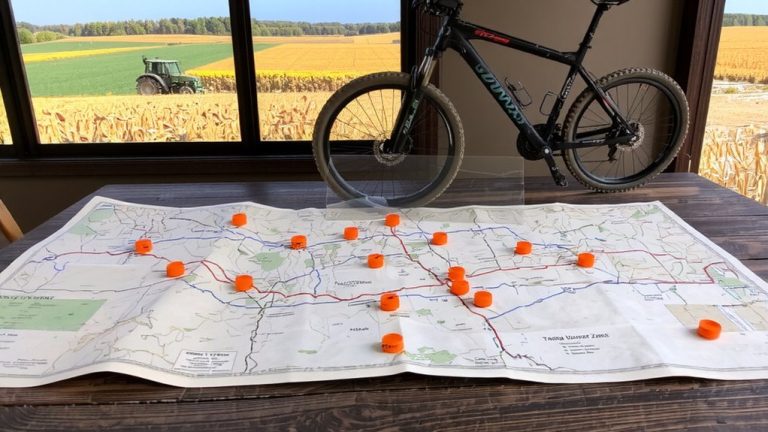
Even if you’re keen to hit the trail, taking a few minutes to plan your next ride with your buddy can prevent mishaps and keep both of you on the same page. A solid plan beats the risks of riding alone and keeps your group ride smooth and safe. Before rolling out, go over key details together.
| Plan Element | Why It Matters |
|---|---|
| Route & trailhead | Avoids confusion, guarantees quick help if needed |
| Cell service check | Enables texts or photo check-ins every 30 mins |
| Ride duration | Match fitness; 2-hour ride with 10L hydration pack |
| Emergency contacts | Share numbers and carry extra first aid kits |
| Regroup points | Reunite easily; use hand signals for hazards |
Discuss hand signals, bring duplicate navigation tools, and never assume. Planning transforms a risky solo ride into a safe, shared adventure.
On a final note
Ride smart, ride safe-always bring a buddy. Testers agree: two riders mean shared tools, like a 15-function bike multi-tool, 24 oz hydration, and trail maps. Use clear hand signals on switchbacks, carry 100-lumen lights, and pair breathable CamelBak packs with puncture-resistant Schwalbe tires. When one falls, the other helps. Real trails demand real prep-combine skills, gear, and communication. Next ride? Plan it together, stay visible, and keep moving, safely.