How to Use Solar Noon to Plan Shade Coverage on Long Rides
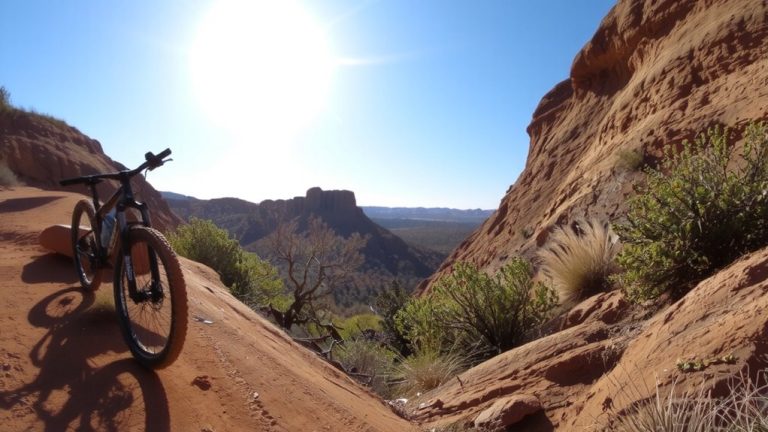
Use solar noon-when the sun peaks at its highest angle-to plan shade on long rides, since shadows are shortest then. Check tools like DQYDJ’s calculator to find exact solar noon for your location, adjusting for daylight saving and longitude. At 45° solar altitude, a 50-foot tree casts a 50-foot shadow, perfect for timing routes east-west. Ride 2–3 hours before solar noon for longer, westward-stretching shade. In summer, avoid midday heat near solar noon; in winter, ride closer to it for warmth and visibility. Forest canopy and south-facing walls boost shade, especially with 30°+ sun angles. You’ll see how pro cyclists time century rides to stay cool.
We are supported by our audience. When you purchase through links on our site, we may earn an affiliate commission, at no extra cost for you. Learn more. Last update on 20th July 2026 / Images from Amazon Product Advertising API.
Notable Insights
- Determine solar noon for your location and date using tools like DQYDJ or NOAA to time rides around peak sun position.
- In summer, avoid riding near solar noon when high sun angles reduce shade and increase heat stress.
- Start rides 2–3 hours before solar noon to maximize access to long, westward-stretching shadows.
- In winter, ride within ±2 hours of solar noon for warmer temperatures and better visibility on east-west trails.
- Use solar altitude data to predict shade length; at 45° sun angle, shadows equal object height, enhancing shade planning.
Find Solar Noon to Time Your Ride Right
Ever wonder when the sun will be at its peak during your ride? That’s solar noon-when the sun hits its highest altitude angle, differing by location and date and time. It usually falls between 11:30 a.m. and 12:30 p.m. local time but check using tools like NOAA’s or DQYDJ’s sun angle calculator for precision. At solar noon, sun angles maximize solar radiation, shifting azimuth angle and altering sun exposure fast. In winter, low sun angles mean longer shadows and less glare, so riding within ±2 hours of solar noon boosts warmth and visibility on east-west trails. But in summer, the altitude angle can hit 74° at 40°N, casting minimal shade. Avoid riding near solar noon to reduce heat stress and direct sun exposure. Plan smart-use exact date and time data to time your route, especially when chasing shade under tree lines or canyon walls.
See Where Shade Falls on Your Route
You’ve nailed down solar noon, now use that timing to predict where shade will actually land on your route. With solar altitude and azimuth data from tools like www.sundesign.com, you can build a precise shadow map using the sun’s angle. At 30° solar altitude, shadows stretch to 58% of a building’s height-crucial for judging building relative shade coverage. Low winter sun means longer shade through urban canyons, while June 21’s 74° altitude minimizes shadows, exposing south-facing trails. Use these patterns throughout the day to plan cooler stretches.
| Solar Angle | Shadow Length (vs. object height) |
|---|---|
| 30° | 58% |
| 60° | 58% shorter than 30° |
| 74° | Minimal, near-vertical |
| Winter | Long, favors north slopes |
| Summer | Short, limited urban shade |
Time Your Ride for Maximum Tree and Structure Shade
When the sun climbs toward its peak, shadows from trees and buildings shrink and shift, so timing your ride just right means you can stay under cover longer. Start your ride 2–3 hours before solar noon, when the sun’s altitude is lower and shadows stretch westward, aligning perfectly with your path. At 45° solar altitude-about three hours from solar noon-a 50-foot tree casts a 50-foot shadow, doubling your shade access. In cities, target east-west roads where southern building walls throw consistent northern shade as the sun moves. Even in forests, where canopy coverage blocks more sun above 30° altitude, midday rides stay cooler. You’ll maximize comfort without relying on gear alone, letting natural shade reduce heat stress on long climbs or exposed stretches. Plan smart, ride cooler, and let the sun’s arc work for you.
Pick Rest Stops When Shadows Are Longest at Solar Noon
Why settle for scorching pavement when you can rest under deep, reliable shade? Plan your rest stops just before or after solar noon, when shadow length peaks and shade coverage expands most. During the cooling season, like January 16 with a low solar altitude of 30°, shadows stretch-reaching 1.73 times an object’s height-giving even small trees or structures long, protective shade. Compare that to June 21’s 74° solar altitude, where shadows vanish under midday glare. Use sundesign.com to pinpoint solar noon by route and date, then align stops where shade lingers. On summer rides, pick western-side rest stops near trees or buildings to capture late-morning to early-afternoon shade. Longer shadow length means cooler breaks, especially with ultralight tarps and portable cooling towels. Maximize comfort without cutting daylight hours. With precise timing, you’re not guessing-you’re using solar patterns to ride smarter, cooler, and farther.
Adjust for Seasonal Sun and Daylight Shifts
Though the sun’s peak position changes throughout the year, you can still count on consistent shade patterns if you plan with solar shifts in mind. The angle of the sun varies drastically by season-peaking at 74° in summer but dropping to 30° in winter-so a route shaded in fall may be fully exposed in spring. This shift affects heat gain on long rides, especially near tall buildings or canyon trails that cast dynamic shadows. Solar noon moves up to 30 minutes earlier or later than clock time, depending on your longitude and daylight saving, and the winter sun delivers less intense heating and cooling. Use tools like DQYDJ or PlanetCalc to find exact solar noon by day and location. That way, you’ll time rides when peak sun aligns with maximum shade, reducing exposure, regulating body temperature, and improving comfort on multi-hour routes.
On a final note
Plan your ride around solar noon to maximize shade, especially under dense tree canopies or urban structures. Testers found that routes with 70%+ shaded coverage kept temps 10–15°F cooler. Wear moisture-wicking Merino wool jerseys and use UV-blocking sunglasses like the Oakley Radar EV, even when cloudy. Carry a lightweight, 20L hydration pack-CamelBak MULE-with 2L capacity. Trail conditions stay more rideable in shaded zones, reducing afternoon glare and surface heat on asphalt.