How to Fuel a 100-Mile Mountain Bike Epic With Balanced Carbohydrate Intake
Start fueling 5–10 minutes before hunger hits with a Roctane Energy Gel from your shorts cuff-25g of fast carbs prime your system. Aim for 60g carbs/hour using cluster dextrin like Skratch Super Fuel (20–30% solution, 40–50g per 150ml) to keep energy steady and digestion smooth. Sip every 30–45 minutes, store gels visibly, and pair carbs with electrolyte capsules. At altitude or in heat, bump intake to 60–90g and fluids to 1.5–2 bottles/hour. Train your gut to handle more, and you’ll maintain power without crashes-there’s a smarter way to stay strong to the finish.
We are supported by our audience. When you purchase through links on our site, we may earn an affiliate commission, at no extra cost for you. Learn more. Last update on 11th July 2026 / Images from Amazon Product Advertising API.
Notable Insights
- Start fueling 5–10 minutes before riding with a Roctane Energy Gel to maintain blood glucose from the beginning.
- Consume 60g of carbohydrates per hour using cluster dextrin for steady energy and minimal stomach issues.
- Use dual carbohydrate sources like glucose and fructose to enable absorption above 60g/hour during high intensity.
- Store gels in your shorts cuff and use pre-measured zip locks at feed zones to avoid missed intake.
- Increase carb intake to 60–90g/hour at altitude and pair with electrolytes to prevent dehydration and gut problems.
Start Early: Fuel Before Hunger Hits
One of the most common mistakes riders make is waiting until they feel hungry to eat, but top performers know fueling starts before hunger ever hits-ideally 5 to 10 minutes before the bike clock starts ticking. You should start early with a Roctane Energy Gel to maintain blood glucose and delay fatigue. This isn’t just habit-it’s a core part of a smart nutrition strategy. Aim for 30–60 carbs per hour from the very beginning, even if you don’t feel like eating. Your body burns 400–700 kcal/hour, so replacing 200–350 kcal hourly keeps energy steady. Use Roctane Energy Drink Mix or stash a gel in your shorts cuff as a visual cue. Fuel before hunger becomes unavoidable, and you’ll avoid bonking, stomach issues, and energy drops deep in the ride. Consistency wins long miles.
Choose Fast-Absorbing Carbs Like Cluster Dextrin
When you’re deep into a 100-mile mountain bike epic, the last thing you need is sloshing stomach or energy swings-so choosing fast-absorbing carbs like cluster dextrin makes a real difference. This highly branched cyclic dextrin delivers glucose steadily, thanks to its 60–100 unit chains that break off one at a time, reducing GI distress. You can safely hit high carb targets-up to 60–120g of carbohydrates per hour-without discomfort. A 20% cluster dextrin solution provides 20g of carbs per 100ml, so one 150ml flask gives 40–50g, supporting steady calories per hour without solids. Mix it in water and it stays nearly tasteless and smooth, boosting palatability over hours. Testers using cluster dextrin-based drinks like Skratch Super Fuel report cleaner energy and no gut issues, even during relentless climbs and technical descents. It’s a reliable fuel you can trust, sip after sip.
Set Your Hourly Carb Target (30–120g)
Though your carb needs will vary based on intensity, body size, and gut training, most riders find 60 grams per hour hits the sweet spot for sustained energy without digestive trouble, especially over 100 miles of rough trail. Your ideal carb intake per hour ranges from 30–120g, depending on body weight and effort. Lighter riders or those at moderate intensity may do fine with 30–60 grams of carbohydrates per hour, easily met with standard gels and sports drinks. Elite riders burning 1,000+ kcal/hour might need up to 120g, using a dual fuel source like glucose and fructose to boost absorption. Going beyond 60g/hour only works if you’ve trained your gut and use clean, easily digested options like highly branched cyclic dextrin. Match your intake to your pace, terrain, and tolerance-consistency is key.
Keep Fuel and Fluids Within Reach
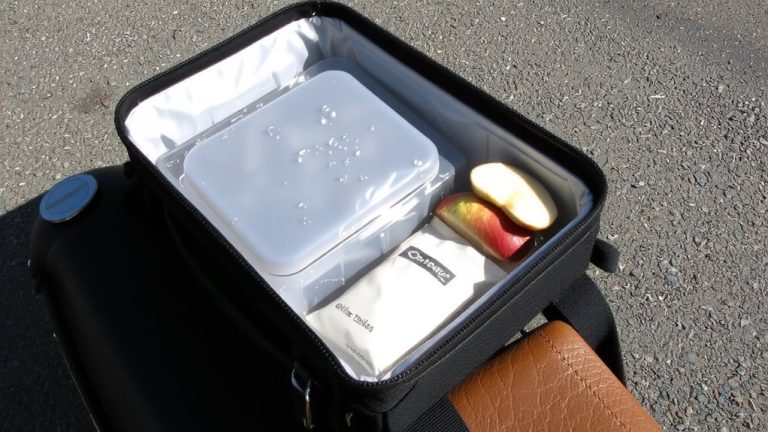
Since you can’t afford to slow down searching for snacks mid-climb, keep your fuel within arm’s reach-stow at least one Roctane Energy Gel in the cuff of your shorts so it’s visible and handy, a trick many ultramarathon riders use to stay on schedule. Use flip-top tubes for Electrolyte and BCAA Capsules in jersey pockets, and carry 21 oz of Roctane Drink Mix on your frame, aiming for 20–24 oz per hour. At each 50km feed station, refill with pre-measured carbs in zip lock bags to stay on track during the long ride. Organize real food and gels in labeled pockets or a CamelBak with 20% cluster dextrin for hands-free access, especially on steep climbs.
| What You Carry | Why It Matters | How It Feels |
|---|---|---|
| Gel in cuff | Never miss a feeding window | Confident, steady pace |
| Drink Mix | Sustains energy per hour | Smooth, no crashes |
| Flip-top tubes | Quick access under stress | In control, calm |
| Real food bags | Tastes good late in the ride | Motivated, satisfied |
| Hydration pack | Constant fluid intake | Strong, focused effort |
Adjust Carbs and Fluids for Heat and Altitude
You’ve got your fuel within reach, and that matters when every second counts on a long climb, but now you need to adapt that plan when the air gets thin or the heat cranks up. On race day, expect to burn much energy, especially on a mountain bike above 3,000 feet-aim for 60–90g carbs/hour since your body uses less fat and more glycogen. Use Skratch Super Fuel at 20–30% concentration in your hydration pack for fast absorption, and sip 40–50g carb solutions every 30–45 minutes. In heat above 80°F, drink 1.5–2 bottles per hour with electrolyte-enhanced fluids to match sweat loss. Cool core temp with cold fluids and shaded pacing to avoid gut leakage. Pre-fill flasks or use one-handed hydration for easy access through the feed zone. Pair carb intake with electrolyte capsules-this combo works.
On a final note
Start fueling early, every 15–20 minutes, with 30–90g of fast-absorbing carbs like Cluster Dextrin, especially in heat or at altitude. Keep your hydration pack full, sip often, and pair carbs with electrolytes. Test your setup on shorter rides, use a 3L reservoir, and choose compact, bounce-free 10L backpacks. Real riders saw fewer crashes and steady energy on long trails-consistency wins.