What Mountain Bikers Should Know About Trail Etiquette With E-Bikes
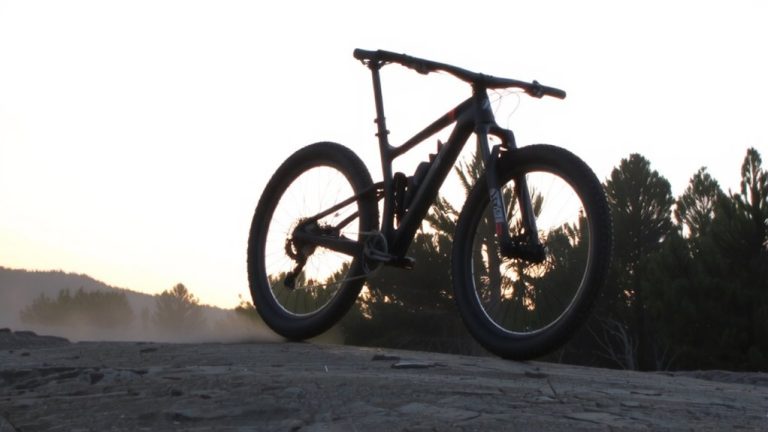
Know your eMTB class-Class 1 pedal-assist models are allowed on more trails, including Park City’s 84060 paths if you’re under 65 and have a city tag. Always yield to hikers, horses, and uphill riders, stopping at least 30 feet from horses if needed. Ride at or below 15 mph on shared trails, even though your motor assists up to 20. Use hydraulic disc brakes for better control on blind turns and avoid wet or muddy trails to prevent erosion. Check Trailforks or MTB Project for eMTB-specific access and trail conditions before heading out-rules vary, and federal land often restricts motorized use, so plan wisely this weekend.
We are supported by our audience. When you purchase through links on our site, we may earn an affiliate commission, at no extra cost for you. Learn more. Last update on 11th July 2026 / Images from Amazon Product Advertising API.
Notable Insights
- Know your eMTB class and verify legal trail access, as Class 2 and 3 e-bikes are banned on many singletrack trails.
- Always yield to hikers, horses, and uphill riders, slowing down and announcing your presence when passing.
- Ride at or below 15 mph on shared trails, even if your eMTB assists up to 20 mph, to ensure safety.
- Avoid riding on wet or muddy trails to prevent erosion and protect trail access for all users.
- Use apps like Trailforks with eMTB filters and check local regulations before riding to confirm access.
Know Your eMTB Class and Where It’s Legal
While knowing your eMTB class might seem like just a technical detail, it’s the key to riding where you’re allowed-especially since not all electric mountain bikes are treated the same on trails. Your Class 1 electric bike, with pedal assist up to 20 mph and no throttle, is the only type typically allowed on trails in places like the Snyderville Basin and Park City, where Class 2 and 3 e-bikes are banned from singletrack. Even then, riders under 65 need a city-issued tag to ride legally on certain paths. On federal land, all eMTBs are considered motorized, so stick to designated motorized routes. Always check your local bike regulations-tools like the Trailforks app have an eMTB filter showing exactly where you’re allowed on trails. Knowing your class doesn’t just keep you legal-it keeps trails open for everyone.
Yield to Hikers, Horses, and Uphill Riders
When you’re riding a Class 1 eMTB with its quick 20 mph pedal assist, staying aware of slower trail users isn’t just polite-it’s essential for safety and trail access, especially since you’ve got more speed and control than hikers or horseback riders. You must always yield to hikers, horses, and uphill riders. Hikers move slowly and can’t dodge quickly, so slow down and give them space. With horses, stop at least 30 feet away, dismount if needed, and follow their rider’s cues-spooked horses can injure both rider and animal. Uphill riders, even on non-electric bikes, keep momentum; let them go first. Always call out, “Coming up on your left,” before passing. This simple practice prevents surprises and builds trust on shared trails. Yielding isn’t just rule-following-it’s trail stewardship in action.
Ride at Safe Speeds and Avoid Wet Trails
Because you’re riding a Class 1 e-MTB that can hit 20 mph with pedal assist, staying in control means keeping your speed at or below 15 mph on shared trails-especially near hikers, kids, or horseback riders-since slower speeds give you time to react, reduce conflict risk, and prevent startling animals sensitive to sudden movement or motor noise, and on narrow singletrack with blind corners, using your hydraulic disc brakes to modulate pace early helps avoid collisions with unseen users. Always ride at safe speeds and avoid wet trails to protect trail integrity and guarantee e-bike access. Electric mountain bikes demand extra responsibility when conditions are soft.
| Condition | Risk Level | Action |
|---|---|---|
| Wet soil | High | Avoid trails |
| Blind turn | Medium | Brake early |
| Shared path | Medium | Slow to 12–15 mph |
| Near horses | High | Dismount and yield |
| Dry singletrack | Low | Ride at safe speeds |
Plan Your Ride: Verify Access and Trail Status
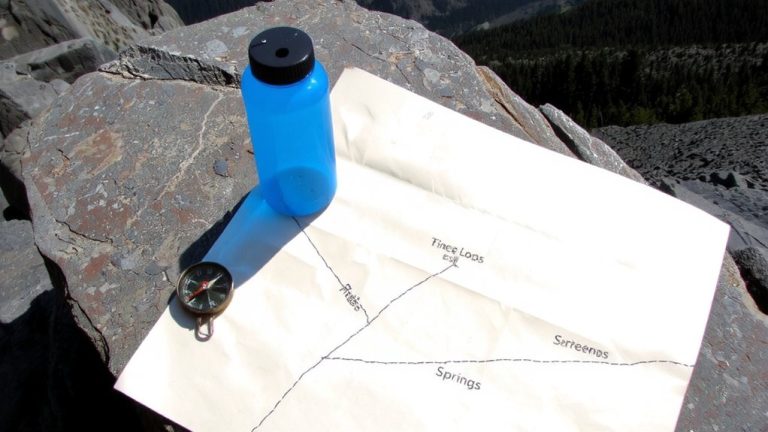
Always double-check trail access before you roll out, especially since e-MTB rules vary widely by location and a quick ride can turn into a citation if you’re on restricted trails. Not all trails open to traditional bikes allow an electric mountain bike-especially singletrack in areas like Park City (84060), where riders must be 65+ or have a mobility disability with a courtesy tag. Most federal lands, including National Forests and BLM areas, classify all e-bikes as motorized, banning Class 2 and Class 3 models. Stick to Class 1 e-bikes and confirm access using apps like Trailforks or MTB Project, which include eMTB-specific filters. Ask local bike shops for real-time updates on trail etiquette and conditions. Avoid wet or muddy sections-e-MTBs can accelerate erosion, risking closures. Planning guarantees you ride legally, sustainably, and respectfully.
On a final note
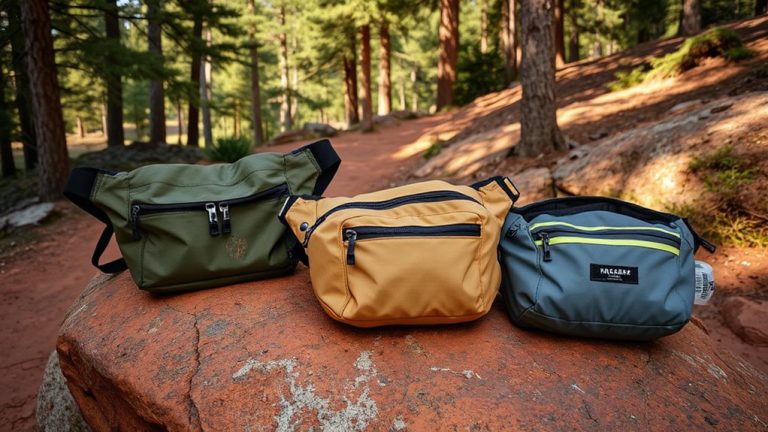
Know your eMTB class-Class 1, 2, or 3-and check trail access, since most allow Class 1 and 2 only. Yield to hikers, horses, and uphill riders every time. Ride at safe speeds, especially on narrow or switchback-heavy trails, and avoid wet or muddy conditions to prevent erosion. Always verify trail status before heading out. Wear a DOT/CPSC-certified helmet, use lights on low-visibility trails, and carry a 12L hydration pack with repair tools, spare tube, and mini pump.