How to Check for Signs of a Concussion After a MTB Crash
After a mountain bike crash, check for headache, nausea, dizziness, or confusion-even if you stayed conscious and wore a POC Omne Air SPIN helmet, as mild TBI can still occur. Ask yourself simple questions: Do you know your name, location, or what just happened? Memory gaps or slow responses are red flags. Over 80% report symptoms like these within the first week. Watch for delayed signs like irritability, sleep issues, or light sensitivity. If you feel off, keep tracking your symptoms and see what common patterns to watch for next.
We are supported by our audience. When you purchase through links on our site, we may earn an affiliate commission, at no extra cost for you. Learn more. Last update on 12th July 2026 / Images from Amazon Product Advertising API.
Notable Insights
- Check for headache, dizziness, nausea, or confusion immediately after a crash, even if consciousness was not lost.
- Ask simple questions to assess memory and awareness, such as name, location, or details of the crash.
- Watch for balance problems, blurred vision, or delayed responses, especially in young riders who can’t self-report.
- Monitor for delayed symptoms like irritability, sleep disturbances, or trouble focusing within 48 hours post-crash.
- Seek emergency care for red flags: unequal pupils, repeated vomiting, slurred speech, or worsening headache.
Check for Concussion After a Mountain Bike Crash
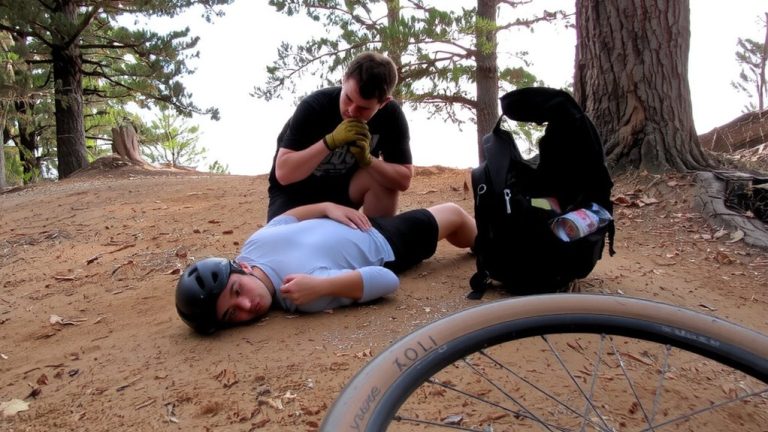
If you take a hard spill on the trail, especially at speed or on technical terrain, it’s critical to check for concussion symptoms right away-especially since over 80% of riders report a headache within the first week after impact, along with nausea, dizziness, or mental fog that can disrupt your focus mid-ride. Any impact to the head, even without loss of consciousness, could mean a concussion, a type of mild TBI. You should check for a concussion by asking simple questions: Can you remember your name, where you are, or what happened? Confusion or memory gaps suggest disrupted brain function. Watch for delayed signs like irritability or sleep issues. If you weren’t wearing a CPSC-certified helmet with MIPS or WaveCel, your risk rises-seek a medical professional immediately, especially with vomiting, slurred speech, or weakness.
Recognize Common Concussion Signs Immediately
While you’re catching your breath after a hard hit on the trail, start checking for concussion signs right away-headache, dizziness, or nausea show up in over 80% of cases within the first week, and they’re your body’s way of signaling something’s off. If you’ve had a blow to the head, even with a helmet like the POC Omne Air SPIN, you could still have a mild TBI. Watch for confusion, memory gaps about the crash, or slow thinking-these are classic concussion red flags. Balance problems may make standing or walking tough, especially on uneven terrain. Vision disturbances like blurriness or double vision are common too, reported in over half of cases. Don’t ignore dizziness or nausea, even if mild. These symptoms mean your brain needs attention now, not later.
Look for Delayed Concussion Symptoms
Though some concussion signs show up right away, others can sneak in hours or even days after your MTB crash, catching you off guard when you think you’re in the clear. Watch for delayed concussion symptoms like irritability, sleep disturbances, and trouble focusing-common in mild TBI. These cognitive symptoms may not hit until 48 hours post-crash but are key indicators of a mild traumatic brain injury. You might also notice mood changes, including anxiety or depression, which affect 1 in 5 concussion in adults within six months. Sensitivity to light and noise, or even changes in taste or smell, can signal post-concussion syndrome, emerging 24–72 hours after traumatic brain injuries. Sleep disruptions like insomnia or drowsiness often worsen over days. Track all symptoms after head injury closely-especially if you’re logging long trail miles or riding aggressive terrain-because early recognition improves recovery.
Spot Concussion in Young Riders After a Crash
How do you know when a little rider’s had a harder hit than they’re letting on? Young riders can’t always say they’ve got a headache or feel off, so you’ve got to watch closely after a head injury. Look for a dazed look, irritability, vomiting, or listlessness-common symptoms of a concussion, a type of mild TBI. In kids under 3, loss of balance or unsteady walking post-crash may point to brain trouble. Toddlers might eat or sleep differently, or lose interest in toys they love. Since they can’t explain brain fog or dizziness, delayed responses or poor focus are red flags. Any suspected concussion needs prompt attention. Always seek diagnosis and management from a provider experienced with pediatric concussions. Spotting subtle signs early helps guarantee better recovery, especially when you’re out on trails far from help.
Know When to Get Medical Help
You’ve spotted the signs-your young rider seems off after a spill, maybe a little wobbly on their helmet-stabilized head, not quite themselves as they sit on the trail edge. If they lose consciousness for more than 30 seconds, have repeated vomiting, or a worsening headache, seek emergency care right away. These could signal a serious brain injury. Watch for red-flag signs like unequal pupils, vision changes, limb weakness, or seizures-get help immediately. Even with a mild TBI, where symptoms seem minor, don’t skip a medical evaluation within 1–2 days. Concussion symptoms, like dizziness or confusion, can linger. Over 80% report headaches post-concussion. If slurred speech, poor coordination, or persistent symptoms appear, act fast-your rider needs care. A head injury isn’t something to ride through.
On a final note
If you crash on your mountain bike, check for headaches, dizziness, or confusion right away-and watch for delayed signs like nausea or trouble focusing. Use a certified MIPS-equipped helmet, like the Giro Fixture Spherical, for better protection. Stick to beginner trails if you’re new, carry a 10 oz. hydration pack with a built-in whistle, and always ride with a partner. When in doubt, see a doctor.