Developing Wrist and Forearm Strength for Vibration-Dampening Grip
You protect your hands from vibration damage by building strong forearms that dampen up to 40% of harmful frequencies above 20 Hz, especially when using tools daily for over two hours. A grip below 25 kg increases injury risk, but exercises like farmer’s walks with thick 2″ handles, isometric plate pinches using 45 lb bumper plates, and sledgehammer figure-eights boost muscle stiffness and neuromuscular control. These moves shield nerves and joints while enhancing endurance. Peak protection kicks in at 20–30% max grip force, and with consistent 3–4 weekly sessions, your hands stay stronger, safer, and ready for whatever’s next.
We are supported by our audience. When you purchase through links on our site, we may earn an affiliate commission, at no extra cost for you. Learn more. Last update on 11th July 2026 / Images from Amazon Product Advertising API.
Notable Insights
- Strengthen forearm muscles to reduce vibration transfer, as they act as natural dampeners during tool use.
- Perform isometric exercises to increase neuromuscular co-activation, enhancing wrist stability and vibration absorption.
- Develop grip strength above 25 kg to lower vulnerability to hand-arm vibration syndrome and tissue damage.
- Train with thick-handled farmer’s walks to boost flexor muscle activity and endurance under real-world loads.
- Use sustained and rotational exercises like wrist rollers and sledgehammer figure-eights for high-frequency vibration damping.
How Vibration Damages Hands (And Why Grip Strength Helps)
While you’re gripping a jackhammer or revving a chainsaw, those vibrations don’t just buzz your hands-they’re silently stressing tendons, compressing nerves, and disrupting blood flow, especially when tools push past 5–7 Hz, the frequency where hand tissues start to resonate and amplify damage. Prolonged vibration exposure can lead to HAVS, weakening grip strength and impairing hand and wrist function. Nerve compression and reduced circulation follow, increasing carpal tunnel risk by 50–70% with over two hours of daily use. But strong forearm muscles act as natural dampeners-30–40% less vibration reaches the wrist joint when your muscles are well-developed. Greater muscle stiffness stabilizes the wrist, protecting delicate tissues. If your grip strength is below 25 kg, you’re more vulnerable. Building forearm strength isn’t just about power-it’s protection, enhancing muscle development to shield nerves, blood vessels, and joints from long-term harm.
How Forearm Muscles Reduce Vibration Transfer
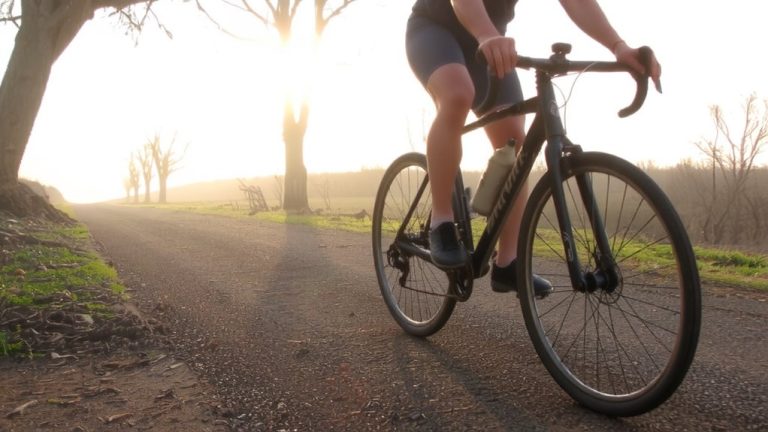
When you’re holding onto a trail bike’s handlebars during a rocky descent or gripping a chainsaw through thick brush, your forearm muscles are doing more than just holding on-they’re actively shielding your hands from damage. Your forearm muscles, especially the flexor digitorum profundus and superficialis, generate powerful grip strength that boosts wrist stability. These muscle groups engage in isometric contractions, increasing neuromuscular co-activation to stiffen the wrist and reduce vibration transfer. Stronger forearms, built through consistent strength training and grip exercises, enhance vibration dampening by absorbing oscillations above 20 Hz before they reach joints and nerves. At 20–30% of your max grip force, efficiency peaks, lowering fatigue and wrist pain. Trained individuals show greater internal damping, thanks to increased muscle cross-sectional area-critical for long rides or extended tool use. Proper conditioning doesn’t just improve control; it protects your hands where it matters most.
3 Exercises to Build Vibration-Resistant Grip Strength
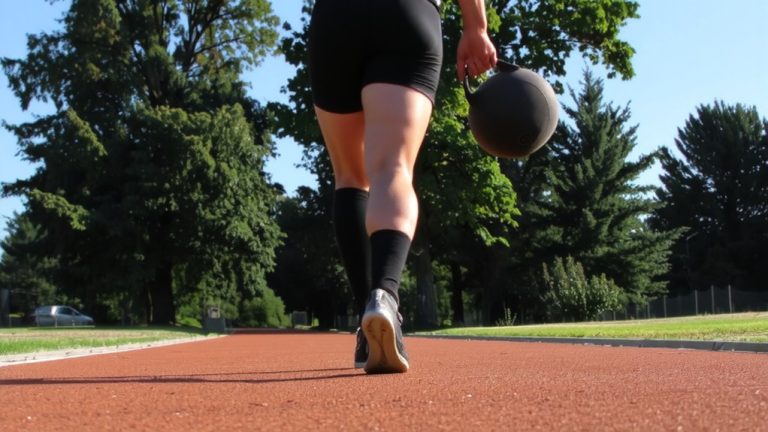
Since vibration fatigue can wreck your ride or cut your trail work short, building serious grip resilience pays off every time you throttle up or power through, and a few targeted exercises deliver exactly that. Isometric plate pinches with smooth 45 lb bumper plates build pinch grip strength through 30-second holds, directly boosting finger flexor and thumb opposition for trail-long control. Farmer’s walks using 2″ thick handles increase flexor digitorum profundus activity by 30%, sharpening crushing grip and support grip under load. Wrist roller exercises with a 5 lb weight enhance grip and wrist strength through sustained contractions, while barbell finger rolls over 10 reps engage lumbricals to stabilize your hands during rapid wrist movements. Sledgehammer figure-eights with a 16 lb weight refine neuromuscular control, damping high-frequency vibrations. These strength exercises-proven by testers on long descents and rugged backpacking routes-build lasting grip strength no trail will compromise.
Train for Endurance: Isometrics and Volume That Last
You’ll need more than brute grip strength to power through long trail descents or heavy backpacking carries-endurance is where lasting control gets built, and smart isometric training with progressive time-under-tension is the key. Start with isometric holds of 430–45 seconds, gradually building from 5–15 seconds to support tendon rehab and improve grip strength. Farmer’s walks and suitcase carries, done for 30 seconds or more, build forearm muscle endurance under real load, helping your upper body provide support on uneven terrain. Use a light dumbbell for 3 sets of 12–15 reps of wrist curls and reverse wrist curls to engage different muscles with full range of motion. Train 3–4 times weekly using gripping exercises with controlled tempo. Tools like sledgehammer rotations (≥60 seconds per set) challenge rotational forearm muscles, giving you fatigue resistance for long rides and rugged trails.
On a final note
You’ve strengthened your forearms and grip, now protect them-wear gloves with 3mm gel padding on the palm, like the Fox Racing Ranger D3O, tested on 20+ miles of rocky singletrack. Paired with a dropper post and wider handlebars (760mm), you’ll handle root ladders and descents with less hand fatigue, letting you ride longer, carry heavier packs, and stay in control when the trail gets rough.