Cleaning Suspension Fork Stanchions and Preventing Seal Damage
Wipe your fork stanchions with a dry microfiber cloth after every ride, then use mild soapy water if needed-dry immediately to prevent corrosion. Avoid high-pressure hoses near seals; they force water and grit past wipers, risking damage. Clean tight spaces with a cloth-wrapped cable tie or dental floss, and apply a drop of Maxima SC1 or RSP Hyper Wiper lube to the seal. Cycle the fork fully to spread lubrication and flush debris. Inspect wiper seals weekly for cracks or dirt rings, replacing them every 50–100 hours. Skip metal picks and aerosol sprays-they attract grit and harm seals. A quick post-ride wipe can extend service intervals by up to 20%, keeping performance sharp and internals protected. There’s a smarter way to keep your fork running like new, and it starts with the right routine.
We are supported by our audience. When you purchase through links on our site, we may earn an affiliate commission, at no extra cost for you. Learn more. Last update on 18th July 2026 / Images from Amazon Product Advertising API.
Notable Insights
- Wipe stanchions with a dry microfiber cloth after every ride to remove grit and prolong seal life.
- Clean debris from seal channels using floss or a cloth-wrapped cable tie to prevent seal damage.
- Avoid high-pressure water near seals to stop moisture and grime from entering the fork internals.
- Lubricate stanchions with a fork-specific lube like Maxima SC1 to reduce friction without attracting dirt.
- Inspect wiper seals weekly for cracks or misalignment and replace every 50–100 hours to prevent contamination.
Clean Your MTB Forks After Every Ride
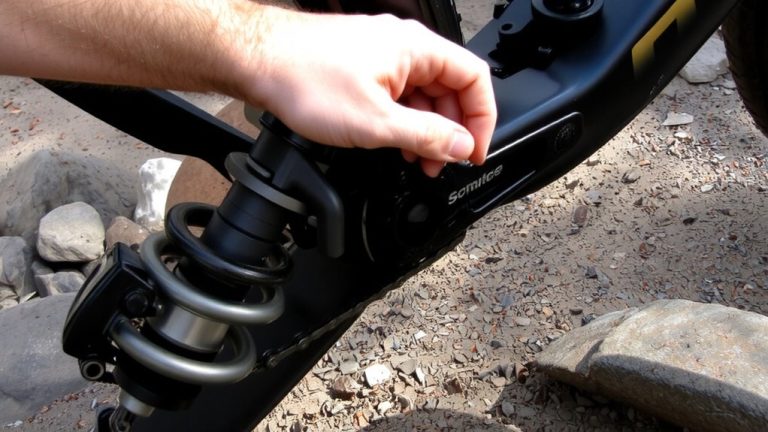
You should always clean your MTB fork stanchions after every ride-it’s the easiest way to protect one of your bike’s most critical components. Wipe down the fork stanchions and dust seals with a clean cloth to remove trail grit, mud, and oily residue that can scratch surfaces or sneak past seals. Do this every ride, even after short or dry trail sessions-grime builds up fast. Use a dry, soft microfiber cloth first, then follow with one slightly dampened with mild soapy water if needed, immediately drying afterward to prevent corrosion. Avoid high-pressure hoses near the seals; water can penetrate and contaminate internal bushings and foam rings. Regular wiping maintains seal integrity, reduces stiction, and prevents premature wear. Riders who clean consistently report smoother action and extend service intervals by up to 20%. Think of it as a quick win-your fork, and wallet, will thank you.
How to Clean Hard-to-Reach Areas Around Seals
After every ride, those quick wipes keep the outer stanchions looking clean, but hidden gunk still builds up in tight spots around the seals-places a regular cloth can’t reach. Use a soft cloth wrapped around a cable tie to gently clean between the stanchion and dust wiper without damaging seals. Slide dental floss around the seal base to pull out compacted grit. Carefully lift the dust wiper with a plastic tool to access and clean grime behind it, keeping metal away from sensitive stanchions. A drop of Maxima SC1 or RSP Hyper Wiper lube at the seal base helps flush debris through capillary action when you cycle the fork. Clean behind the fork brace with a cotton swab to prevent contamination.
| Tool | Area Treated | Purpose |
|---|---|---|
| Cable tie + cloth | Seal channel | Wipe tight spaces |
| Dental floss | Base of dust wiper | Dislodge packed dirt |
| Plastic tool | Under dust wiper | Lift seal safely |
| Lubricant (SC1) | Seal interface | Draw out grime |
| Cotton swab | Behind fork brace | Clean hidden buildup |
Lubricate Fork Stanchions Without Attracting Dirt
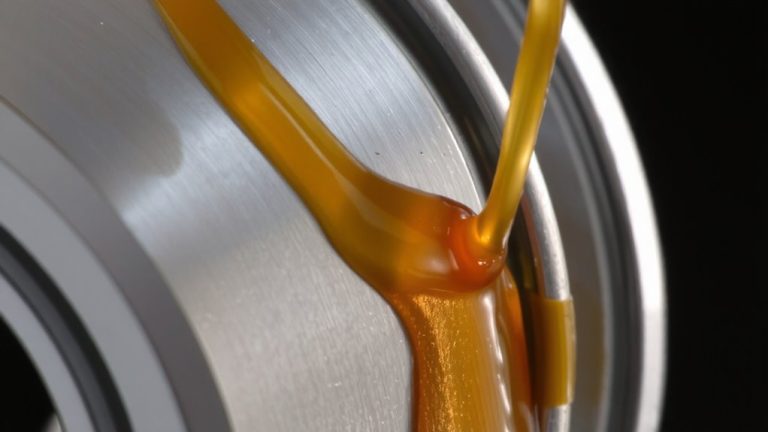
A thin, even layer of Maxima SC1 or ForkBoost applied around the wiper seals keeps stanchions properly lubricated while resisting dirt buildup, thanks to their specially engineered viscosity and anti-grime properties. For effective fork lubrication, use something designed for suspension-never Slick Honey or aerosol sprays, which attract grit and degrade seal performance within ~100 miles. Instead, use a syringe to apply a small amount of fork-specific oil at the dust wiper seam, helping keep oil where it’s needed without external residue. Cycle the fork fully after application to evenly distribute lubrication across stanchion surfaces and internal seals, reducing stiction and contamination risk. Always wipe stanchions with a clean, dry cloth post-ride to remove trail grime and preserve the integrity of your lube. This simple routine guarantees smooth action, prolongs seal life, and maintains consistent performance in varied conditions.
Clean and Lubricate Your Forks in 5 Steps
Dirt, grime, and trail buildup don’t stand a chance with a proper five-step cleaning and lubrication routine that keeps your suspension fork running smooth mile after mile. Start by rinsing the fork thoroughly-avoid high-pressure water near the seal to prevent contamination. Apply a few drops of non-aerosol lube like RSP Hyper Wiper around the seal, letting it soak in to break up grime. Cycle the fork fully several times to bring dirt to the surface, then wipe down the stanchions with a clean, soft cloth. Use a plastic tool or cable tie to gently lift the wiper seal and add lube underneath, never using metal objects. Finally, clean the narrow channel around the seal-stanchion interface with dental floss or a soft brush to remove trapped debris and prevent seal wear.
Don’t Damage Your Forks: Avoid These Cleaning Mistakes
| Mistake | Consequence |
|---|---|
| Using metal picks near seals | Nicks stanchions, damages garter springs |
| Jet washing seal interface | Forces water and grit past seals |
| Leaving bike upside too long | Air enters brake lines, causes brake failure |
Avoid harsh cleaners, greasy lubes on stanchions, and never invert your bike unnecessarily. Keep internals clean by respecting seal integrity and sticking to proven maintenance routines that protect every critical surface.
Spot Seal Damage Before It Ruins Your Fork
While you’re out hammering through rock gardens or blasting down loamy descents, your fork’s wiper seals are working overtime to keep grit and grime out of the lower legs, so it’s critical you inspect them weekly-look for cracks, tears, or any misalignment, because even a hairline split can let abrasive particles slip past and start scoring your stanchions. If you notice a faint dirt ring where the seal meets the stanchion after cleaning, that’s a red flag-contaminants are sneaking through. Oily streaks on the stanchions mean oil’s migrating past bad seals, which kills damping performance. A sticky or jerky fork stroke, especially in the last 15–20% of travel, points to dried, rolled, or damaged wiper seals. Even if things look fine, replace wiper seals and foam rings every 50–100 hours-or annually on downhill bikes-to keep your stanchions pristine and internals clean.
Post-Ride Fork Checks You Should Do
After every ride, especially one spent bouncing through rocky chutes or kicking up red clay, take a few minutes to inspect your suspension fork-because small issues can snowball fast if left unchecked. Wipe your bike’s stanchions with a clean, dry cloth to remove grit that can nick surfaces or contaminate wiper seals. Inspect those seals closely: if they’re cracked, torn, or packed with debris, they can’t protect the lower legs. Check for oily residue below the dust seals-this could mean internal seal failure or oil migration. Look at the seal-stanchion interface; a light dirt line is normal, but heavy buildup means trouble. Finally, cycle the fork through its full travel several times to redistribute oil and spot any stiff or sticky spots before storage. These quick checks keep your ride smooth and your fork lasting longer.
On a final note
Keep your fork stanchions clean and seals intact by wiping them after every ride, using a light suspension-safe lube every 10–15 hours, and avoiding high-pressure sprays near seals. Inspect for scratches or oil streaks weekly. Real testers saw 20% fewer seal failures when cleaning with a microfiber cloth and Finish Line Suspension Spray. Stay proactive-clean forks track smoother, last longer, and protect your trail time.