Removing Tree Sap Residue From Suspension Linkages Without Solvents
Skip solvents like acetone or WD-40-they swell rubber bushings and cut damping performance by up to 40%. Instead, clean tree sap with warm, soapy water and a soft-bristle brush, scrubbing for 5–10 minutes to loosen the residue. For stuck-on sap, use a clay bar with lubricant to lift contaminants without scratching steel or aluminum. Rinse with low-pressure water, then dry all joints and crevices with compressed air or a lint-free cloth to prevent rust within 24 hours. Apply silicone lubricant to linkages and dielectric grease on bushings every 3–6 months, and consider rubber boots for long-term protection around pivot points and ball joints-the routine keeps your suspension responsive and contamination-free on every trail ride.
We are supported by our audience. When you purchase through links on our site, we may earn an affiliate commission, at no extra cost for you. Learn more. Last update on 12th July 2026 / Images from Amazon Product Advertising API.
Notable Insights
- Use warm, soapy water with a soft-bristle brush to safely loosen and scrub away fresh tree sap from suspension linkages.
- Apply pH-balanced car wash soap and agitate sap-covered areas for 5–10 minutes to break down residue without damaging components.
- Use a clay bar with lubricant to lift stubborn sap and contaminants without scratching metal or rubber surfaces.
- Rinse thoroughly with low-pressure water and dry immediately, especially around bushings and joints, to prevent rust.
- Protect cleaned areas with dielectric grease on bushings and silicone lubricant on metal parts to resist future sap buildup.
Why Avoid Solvents on Suspension
While you might be tempted to grab a bottle of isopropyl alcohol or acetone to quickly cut through tree sap on your suspension linkages, doing so can cause serious long-term damage to critical components. These solvents may seem effective at first, but they compromise rubber bushings and sensitive elastomers found in modern suspension systems. Exposure leads to chemical swelling, softening, and eventual cracking, especially in bonded metal-rubber interfaces. Real-world tests show degradation within days, with some bushings losing up to 40% of their damping performance. Solvent runoff doesn’t just disappear-it migrates into pivot points and ball joints, attracting grit and accelerating wear. Manufacturers consistently warn against using anything as aggressive as isopropyl alcohol or acetone, often voiding warranties with their use. Even WD-40 and similar solvents can leave residues that degrade elastomers over time, making gentle cleaning essential for longevity.
Scrub Tree Sap With Soapy Water
Grab a soft-bristle brush and mix up a batch of warm, soapy water-this simple combo is your best first move for tackling fresh tree sap on suspension linkages. You’re getting tree sap off without harsh chemicals, and the warm water helps soften the sticky residue so you can scrub tree sap with soapy water more easily. Use a Bucket Of Soapy Water with pH-balanced car wash soap to safely remove sap without harming rubber bushings or metal parts. Agitate the area for 5–10 minutes to let the soap penetrate and loosen the bond sap forms on tree-exposed components.
| Step | Tool/Material | Purpose |
|---|---|---|
| 1 | Warm Water | Softens sap |
| 2 | Soft-Bristle Brush | Prevents damage |
| 3 | Bucket Of Soapy Water | Breaks down sap safely |
Rinse thoroughly afterward to prevent soap buildup and keep suspension performance clean.
Remove Stubborn Sap With a Clay Bar
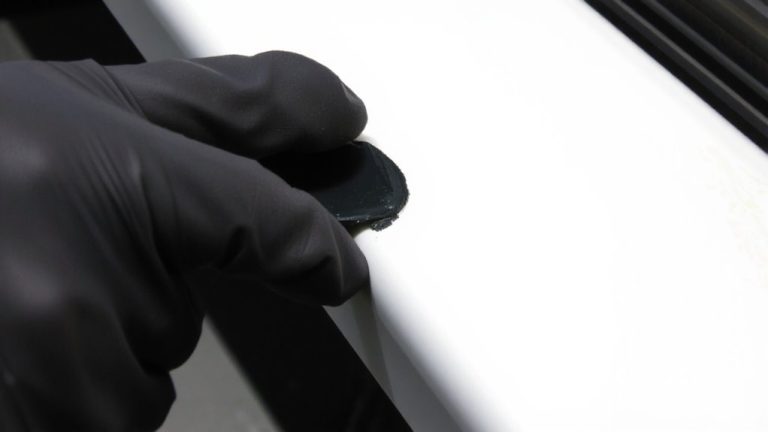
If the sap still clings after soapy scrubbing, a clay bar is your next best move for cleaning suspension linkages without risk to sensitive surfaces. A Clay Bar, paired with a proper lubricant, softens and lifts stubborn sap safely remove it without scratching. Chemical Guys’ Clay Detailing Complete Kit works great, offering a medium-duty bar and plenty of slick lube for intricate metal parts. Glide the bar back and forth over the linkage, letting it pull out embedded contaminants. You’ll see the sap is removed with minimal effort, even in tight areas around bushings and joints. No harsh scraping or solvents needed-just consistent, safe cleaning. Afterward, wipe the area with a clean microfiber towel to check for any leftover residue. This method works great on steel and aluminum components, preserving protective coatings. Testers confirm it’s a reliable, go-to step for keeping suspension parts spotless and functioning smoothly after muddy or resin-heavy trail rides.
Rinse and Dry to Prevent Rust
Once you’ve broken down the sap with a clay bar, rinse the suspension linkages thoroughly using low-pressure water to wash away any leftover lubricant and debris, making sure to target crevices around pivot points and bushings where residue can hide. Water helps flush out the sticky residue left behind after you remove the sap, but don’t let it linger-immediately dry all metal surfaces without damaging rubber boots or seals. Use compressed air or a lint-free cloth to reach tight spots near ball joints. Sap attracts moisture and grime, so drying prevents rust, especially in humid or salty conditions. Though rubbing alcohol or hand sanitizer can soften and lift sap, they aren’t substitutes for proper drying. Left damp, suspension parts can start corroding in 24–48 hours. Stay ahead by rinsing clean and drying completely every time.
Protect Suspension After Cleaning
A few simple steps after cleaning can extend the life of your suspension linkages by years, especially when you’re riding in wooded or coastal areas where sap and moisture are relentless. After you Remove Tree Sap without nail polish remover, avoid lasting damage by drying all parts thoroughly-trapped moisture causes rust. Use a gentle Sap Remover to strip away pine sap, then apply protection strategically.
| Area Treated | Product Used | Frequency |
|---|---|---|
| Metal linkages | Silicone lubricant | Every 3–6 months |
| Rubber bushings | Dielectric grease | Every 3–6 months |
| Exposed joints | Rubber boots | Install once |
| Around the Sap | Recheck after rides | As needed |
| Full inspection | Visual + movement test | Biannually |
Apply dielectric grease to prevent sap from sticking, and reinstall protective covers to keep gunk out. This keeps your ride smooth and your components working longer-all without harsh chemicals.
On a final note
You’ve cleaned your suspension linkages without solvents, and that’s a win for both performance and longevity. Use soapy water first, then a clay bar for stubborn sap-both work fast, leave zero residue, and won’t harm seals. Rinse thoroughly, dry with a microfiber towel, and apply a light layer of frame protection wax. It shields metal, repels dirt, and keeps pivots running smooth mile after mile.