Best Mountain Biking Spain
You’ll need a 150–160mm full-suspension enduro bike and full-face helmet to handle Aínsa’s rocky drops, root webs, and berms tested by Enduro World Series riders at 2,000m; in Val d’Aran, tackle the 6.5km Entecada descent with a 12L pack and aggressive treads, while Sierra Nevada’s 1,200m El Río run demands reinforced tires and technical precision-ride lowlands Nov–Apr, high zones May–Oct, and pair rides with coastal views or medieval towns. There’s a proven route for every terrain and season.
We are supported by our audience. When you purchase through links on our site, we may earn an affiliate commission, at no extra cost for you. Learn more. Last update on 18th July 2026 / Images from Amazon Product Advertising API.
Notable Insights
- Aínsa’s Zona Zero in the Pyrenees offers technical enduro trails with shuttle access up to 2,000m elevation.
- Val d’Aran features over 100 trails, including the 6.5km Entecada descent with 1,170m of vertical drop.
- Sierra Nevada’s El Río trail delivers 15km of high-alpine riding from near 3,000m with rocky, demanding terrain.
- Girona provides year-round riding with a mix of technical singletrack and cultural experiences in medieval towns.
- Best riding times vary: Pyrenees in spring and autumn, Val d’Aran May–October, and southern lowlands November–April.
Top Mountain Biking Destinations in Spain
While you’re planning your next mountain biking adventure, Spain’s diverse terrain offers some of the most rewarding rides in Europe-beginning with Aínsa, also known as Zona Zero, a destination that’s earned its reputation as the country’s enduro hub. With a dozen marked trails starting at 500m and shuttle access up to 2,000m, Zona Zero delivers big, technical descents perfect for full-suspension 29ers with 150mm+ travel. Head to Val d’Aran for over 100 trails, including the 6.5km Entecada with a 1,170m drop from 2,045m-ideal for riders packing lightweight hydration packs and aggressive treads. In Sierra Nevada, tackle the 15km El Río trail, dropping 1,200m from near the 3,000m Veleta summit, where rocky chutes demand durable enduro sleds and reinforced tires. Each zone challenges your gear, technique, and endurance-bring a well-stocked repair kit, snug-fit helmet, and plenty of fuel.
Ainsa: Spain’s Enduro Epicenter
Aínsa, known to riders as Zona Zero, stands at 500m in the heart of the Spanish Pyrenees and delivers exactly what serious enduro fans want: technical descents, legit terrain, and a no-nonsense riding culture backed by world-class infrastructure. You’ll tackle a dozen well-marked enduro routes featuring roots, rocks, drops, and berms, all built and maintained by locals. Shuttle access climbs to 2,000m, maximizing your downhill time on trails tested by Enduro World Series events. Bring a full-face helmet, durable knee pads, and a 150–160mm travel bike-this terrain demands it. Ainsa supports riders with rentals, repair shops, wash stations, and lodging from campsites to hotels. The trails here aren’t flashy; they’re raw, steep, and technically precise, just like enduro should be. When you ride in the Spanish Pyrenees, Ainsa is your benchmark.
Best Time for Mountain Biking by Region
When planning your mountain biking adventures across Spain, timing your trip to match regional climates and trail conditions makes all the difference, especially with terrain that ranges from high-alpine descents to sun-baked Andalusian trails. For the Spanish Pyrenees, the best time for mountain biking is March–June and September–November, when Ainsa and Tremp offer ideal grip and cool temps for enduro riding. Val d’Aran shines May–October, with shuttle-assisted descents like the 6.5km Entecada trail from 2,045m. In Girona, mild winters (12°C avg) allow year-round mountain bike holidays, though spring and autumn deliver peak flow. Southern Spain? Ride lowland Sierra Nevada and Malaga November–April to dodge 35°C+ heat; hit higher zones May–October. Whether you’re chasing alpine singletrack or dry Andalusian dust, timing your Spain trip right means perfect trail feel, maximum grip, and maximum ride time-no guesswork needed.
Pair Riding With Culture and Coastal Views
You’ve got your timing down, now let’s talk about pairing every pedal stroke with something unforgettable. Mountain biking in Spain isn’t just trails-it’s culture, coast, and contrast. In Girona, ride technical singletrack through Cap de Creus by morning, then wander cobbled alleys of a medieval old town by afternoon. Just 30 minutes inland, coastal mountain biking in the Basque Coast delivers enduro runs above crashing Atlantic waves, ancient forests on one side, surf beaches below. Your mountain bike holiday gets even better with Barcelona 40 minutes away by train-perfect for a gear-free day of tapas and Gaudí. Pack a 12L hydration pack, bring tubeless-ready tires (2.4” ideal), and let Spain’s mix of terrain and culture fuel your ride.
| Moment | Feeling | Gear Note |
|---|---|---|
| Sunrise climb above the Mediterranean | Expansive, calm | Lightweight jersey, breathable |
| Descending Basque forest trails | Focused, alive | Full-finger gloves, sure grip |
| Evening stroll in Girona’s old town | Connected, inspired | Quick-dry kit, compact helmet |
On a final note
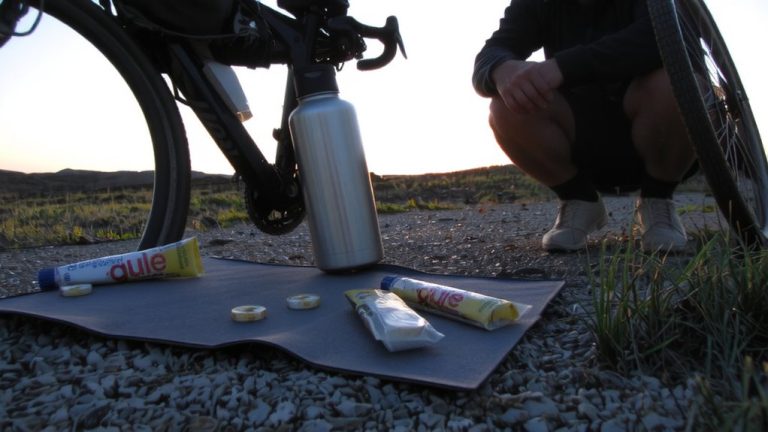
You’ll want a full-suspension enduro bike with 150mm travel, like the Santa Cruz Hightower, for Ainsa’s rocky descents; pair it with lightweight hydration packs, such as the CamelBak MULE (3 liters), and trail-ready dropper posts. Testers rate Maxxis Minion tires best for grip on Iberian granite. Bring breathable kits, metric tools, and always carry a spare tube, pump, and multi-tool-reliable, compact, and trail-tested.