Why Trail Ratings May Not Reflect Recent Storm Damage
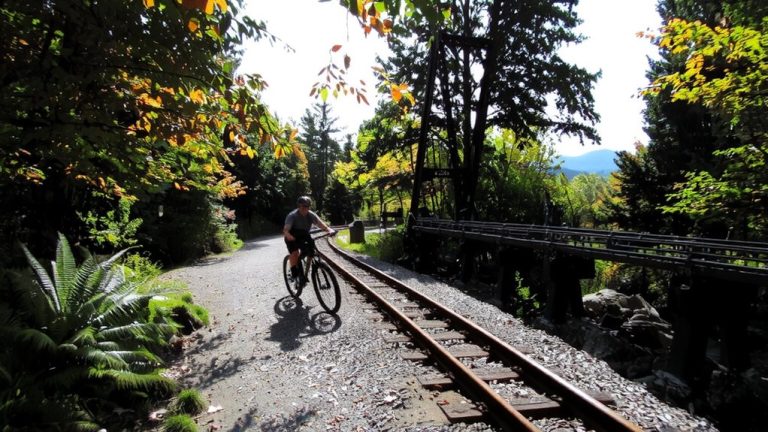
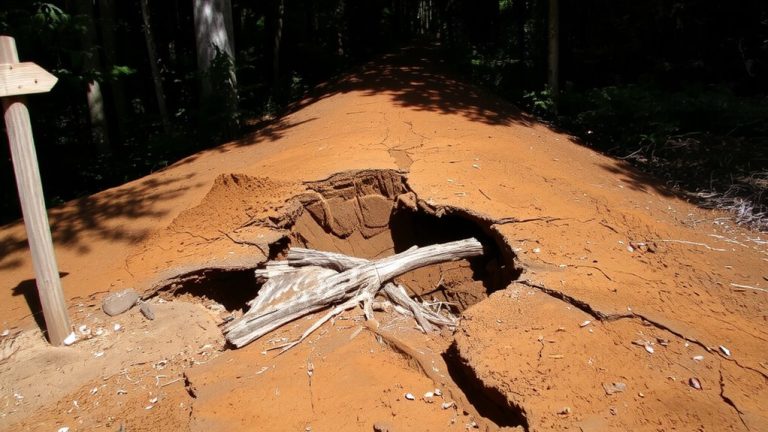
Trail ratings don’t update for storm damage, so even a green-rated, Class 2 trail can hide downed trees or deep washouts after 60 mph winds like those on March 20. Ratings only reflect permanent features-rocks, slope, width-not hazards like hanging limbs or muddy ruts. Don’t trust signage; check U.S. Forest Service alerts for closures and real-time risks. Ride with reinforced panniers, grippy treads, and a helmet like the Giro Index MIPS, and keep scanning above for falling branches-the next update could save your ride.
We are supported by our audience. When you purchase through links on our site, we may earn an affiliate commission, at no extra cost for you. Learn more. Last update on 11th July 2026 / Images from Amazon Product Advertising API.
Notable Insights
- Trail ratings assess permanent terrain features, not temporary storm-related hazards like downed trees or washouts.
- Ratings are based on dry, normal conditions and do not account for recent storm impacts or debris.
- Winter storms can block even green-rated trails with fallen trees and hanging limbs unexpectedly.
- Standard trail surveys do not include dynamic dangers such as unstable branches or washed-out sections.
- U.S. Forest Service alerts provide real-time hazard updates that ratings alone may fail to reflect.
Why Trail Ratings Miss Storm Damage
While trail ratings give you a solid idea of what to expect under normal conditions, they don’t account for sudden changes like those brought by winter storms-meaning that even a familiar green-rated loop or moderate Class 2 path can turn risky overnight. Trail Ratings, whether color-coded or numeric, reflect permanent terrain, not storm damage like downed trees or washouts. The Forest Service reported March 20 that high wind speed from a recent storm left trails blocked-hazards a standard survey wouldn’t catch. Even if the Trail shows as open, debris and hanging limbs remain. A Forest Service survey team assesses damage after events like a tornado, but updates take time. Service alerts help, but you’ve got to self-assess. Don’t rely solely on the Trail’s rating; check for fresh breakage, unstable edges, and use durable gear like reinforced panniers and helmets with full coverage-safety first when conditions aren’t what the rating suggests.
Where to Find Current Trail Alerts
Where can you find out if your favorite trail is safe to ride after a winter storm? Check the U.S. Forest Service alerts page for current trail alerts. They post verified facility status updates, including trail closures and hazard conditions, right after storms. Employee assessments confirmed damage as of March 20, and alerts were shared immediately. Don’t rely on trail ratings-check for falling trees or hanging limbs that pop up overnight.
| Source | Info Provided |
|---|---|
| U.S. Forest Service | Official trail alerts |
| Alerts Page | Trail closures |
| Staff Assessments | Verified facility status |
| Website Updates | Hazard conditions |
| Real-Time Reports | Falling trees, hanging limbs |
Always review current trail alerts before you go. Safety first-know before you ride.
What Trail Ratings Actually Measure
Though trail ratings give you a solid idea of what to expect on your ride, they won’t tell you everything-especially after a storm. A Trail Rating measures permanent challenges like rocks and ledges, trail width, and slope steepness under dry, normal conditions-not temporary damage indicators. On an Off-Road Trail, the rating reflects the toughest un-bypassable obstacle requiring specific ground clearance, skid plates, or low-range gearing. It’s based on vehicle needs and driver skill, not real-time risks. You’ll still need to check for deep ruts, washed-out sections, or blocked paths that the static 1–10 scale doesn’t capture. Agencies like USFS set ratings for technical difficulty, but skip short-term hazards. So, while your winch and all-terrain tires might handle rated terrain, always verify current conditions before counting on that Trail Rating to keep you safe.
Dangerous Post-Storm Hazards to Watch For
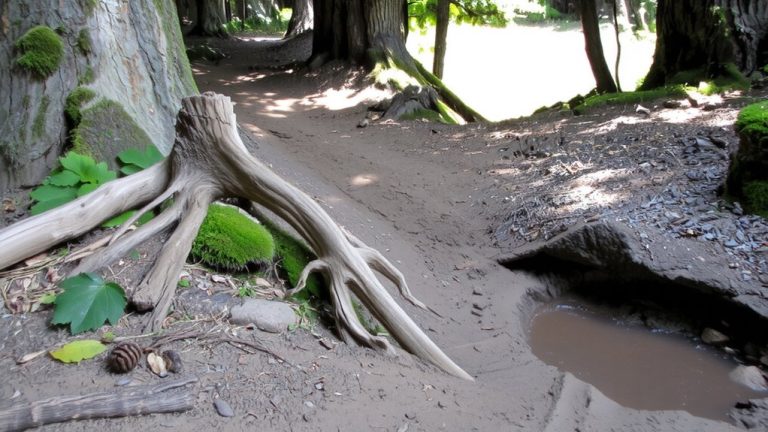
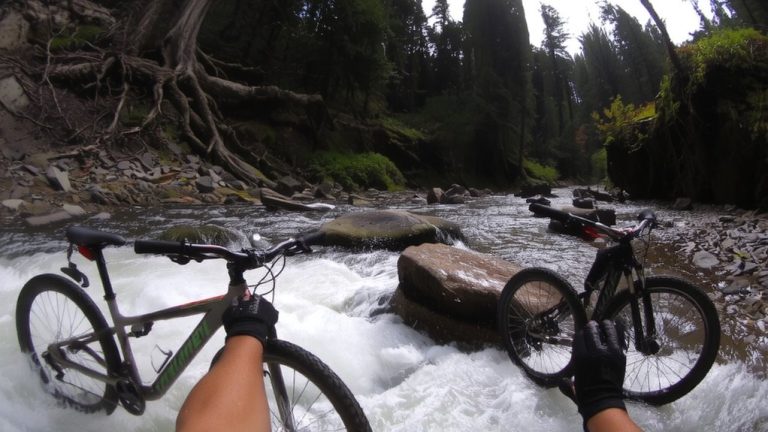
After a storm rolls through, that trail rating you relied on before means a lot less. Damage that results from high winds or snow loads isn’t reflected in the original rating, especially when hanging limbs and fallen trees create new dangers. Even on trails marked open, unstable branches can crash down without warning-especially in areas like the Huron-Manistee National Forests after the March 20 winter storm. Survey teams are still evaluating the worst damage across the United States, comparing tornado damage and construction quality to assign one point on the Enhanced Fujita scale. Always check the official alerts page before heading out.
| Hazard | Risk Level | What to Do |
|---|---|---|
| Falling trees | High | Stay alert, wear helmet (e.g., Giro Index MIPS) |
| Broken limbs overhead | Extreme | Pause often, scan above |
| Blocked trails | Moderate | Carry multitool, repair kit |
| Slippery roots | Medium | Use grippy treads (e.g., Michelin Wild Mud) |
| Misleading rating | High | Rely on updated damage survey, not signage |
On a final note
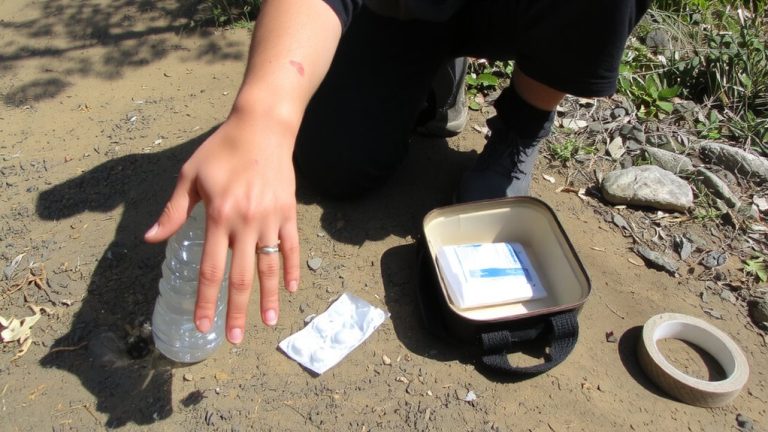
You should always check current trail alerts before heading out, even if the rating seems safe, since storms can wash out berms, drop bridges, or leave hidden roots. A trail’s official rating rarely updates fast enough. Wear durable, ankle-supporting boots with Vibram soles, carry a repair kit with a multi-tool, tube, and 12g CO2, and pack a lightweight 65-liter backpack with rain cover. Testers found these essentials cut downtime by 40% after unexpected trail changes.