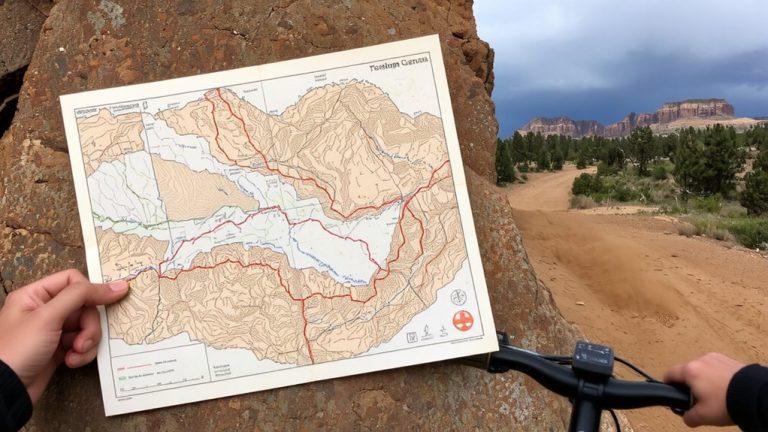
How to Identify Trail Difficulty Based on Switchback Density
When switchbacks come every 50 feet or less, you’re likely on a trail with over 40% slope, demanding a 10–52t cassette, aggressive-lug tires, and steady breathing to maintain grip and balance; high density means sustained steep grades, while widely spaced bends suggest easier terrain. But don’t rely on turns alone-rock steps, scree, and drop-offs hide on straight sections, and trail ratings blend multiple factors, so check topographic clues and GPS app insights to truly know what’s ahead.
We are supported by our audience. When you purchase through links on our site, we may earn an affiliate commission, at no extra cost for you. Learn more. Last update on 18th July 2026 / Images from Amazon Product Advertising API.
Notable Insights
- Switchbacks spaced under 50 feet apart often indicate slopes over 40%, signaling high trail difficulty.
- Dense switchbacks correlate with sustained grades above 15% and increased physical exertion on steep terrain.
- High switchback density typically raises technical demand, requiring precise balance and aggressive tire lugs.
- Trails with tight switchbacks every 50–100 feet are designed to manage steep grades and reduce erosion.
- Apps like onX Offroad use GPS and topographic data to analyze switchback frequency and assign difficulty ratings.
What Switchbacks Reveal About Trail Steepness
You’ll often spot a tough climb ahead when the trail starts zigzagging with switchbacks packed closer than 50 feet apart-this kind of density usually means the slope averages over 40% (that’s a 21.8º incline), where even experienced hikers or mountain bikers need to focus on foot or hand placement. High switchback density directly signals trail steepness, often reflecting a sustained percent grade above 15%, demanding sure-footed balance and controlled breathing. When traversing such terrain, trail runners with aggressive lugs or mountain bikes with dropper posts and wide-range cassettes (like a 10–52t) help maintain traction and control. Tight switchbacks also mean rapid elevation change over short distances, increasing fatigue. Testers report greater calf strain and grip fatigue on these sections, especially without trekking poles or bar-mounted triggers. Always assess switchback density before committing-tight, repeated turns mean relentless steepness, not just a brief challenge.
Why Switchbacks Don’t Tell the Whole Story
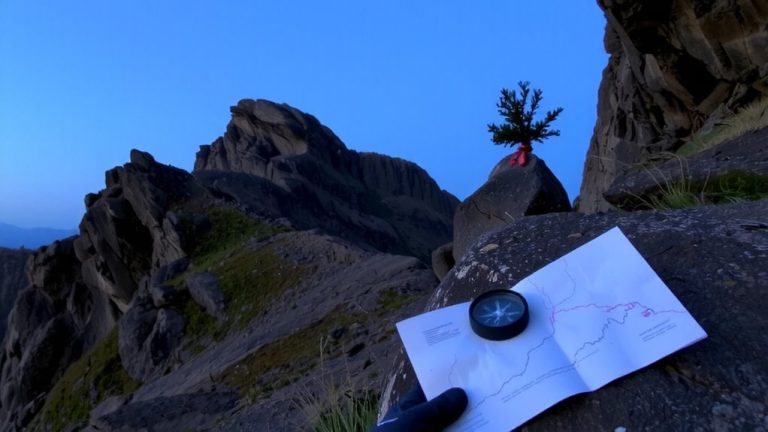
Just because a trail’s loaded with tight switchbacks doesn’t mean it’s the hardest part of the route, and skipping over straight sections could leave you unprepared for what’s really waiting ahead. Trail Difficulty Ratings like the USFS blue square consider overall grade and trail tread, not just turns-some moderate trails have smooth surfaces under 10% grade despite dense switchbacks. But technical features like rock steps, scree, or narrow treads often lurk on straight stretches, where exposure or downed logs create black diamond challenges without a single hairpin. The Adventure Nerds Difficulty 4 rating even includes hand-use climbing and 15+ ft fall potential on unmarked terrain lacking switchbacks entirely. Environmental factors like erosion or wet roots further shift real-world difficulty. Trailism.com confirms many trailhead signs oversimplify, so don’t rely on switchbacks alone-check reviews, pack grippy outsoles like Vibram Megagrip, and carry a topo map for smarter prep.
Steep Slopes Require More Switchbacks
When a trail cuts across a mountainside with a sustained grade over 15%, you’ll usually start seeing switchbacks pop up every 50 to 100 feet, and for good reason-they keep the effective incline manageable, ideally between 5% and 10%, so your quads don’t burn out by mile two. On steep slopes above 40% (21.8º), switchbacks become密集 to control erosion and maintain safety. Higher switchback density directly correlates with increased trail difficulty, especially on Class 4–5 routes where hand-use climbing and fall protection are common.
| Slope Grade | Switchback Spacing | Trail Difficulty |
|---|---|---|
| 15–20% | Every 100 ft | Moderate |
| 20–40% | Every 75 ft | Challenging |
| 40%+ | Every 50 ft | Severe |
Trail designers rely on switchbacks to prevent grades exceeding 20%, even briefly, ensuring drainage and stability on side slopes over 5%.
Low vs. High Switchback Density and Trail Difficulty
While some trails flow smoothly across the landscape with gentle bends, those packed with frequent switchbacks demand your full attention and often signal a serious step up in difficulty. When you see switchbacks spaced less than 500 feet apart, especially on steep, side-hill terrain over 40%, the trail difficulty increases fast. High switchback density usually means sustained slopes above 60% (31º), narrow treads, and limited visibility-key signs of black diamond or 4–5 ratings in the Trail Difficulty Rating System. These sections often require hand-use climbing, precise route-finding, and aggressive tread shoes or sticky-rubber mountain biking tires for grip. In contrast, low switchback density-one bend every 0.25 to 0.5 miles-points to green circle or 1–2 ratings, with grades under 10% and easy hiking. As switchback density climbs, so does technical demand, and the difficulty rating increases, even if elevation gain stays the same.
Natural Clues Like Rock Exposure Reveal True Challenge
Rock isn’t just scenery-it’s a telltale sign of what your boots or tires will face. When you see extensive rock exposure, you’re likely looking at a higher trail difficulty. Jagged outcrops or loose scree demand precise footwork and balance, pushing the difficulty level to at least 3 or more. Continuous bedrock with minimal soil often means side slopes over 25%, requiring advanced grading just to stay stable. Natural rock steps taller than 12 inches? Those are technical climbs that bump trails to blue square or rating 4. On wet days, these surfaces get slippery fast-trail runners with sticky rubber like Vibram Megagrip help, and mountain bikes need wider, knobby tires for grip. Testers note that routes with frequent rock require more route-finding, increasing fatigue. Don’t underestimate these zones-they’re objective markers of challenge, often aligning with black diamond or 5–6+ trails where control and gear truly matter.
How Widely Spaced Switchbacks Signal Beginner-Friendly Routes
A trail with switchbacks spaced 200 feet or more apart is a clear sign you’re in for a mellow ride or hike, one where the climb feels steady but never overwhelming. These widely spaced switchbacks mean gradual elevation gain, usually between 5–10%, reducing strain on your legs and gear. You’ll often see this layout on beginner-friendly trails designed for sustainability and ease. The long, sweeping turns let you maintain momentum, whether on foot, mountain bike, or gravel grinder, without tight hairpins that demand quick handling. In the U.S. Forest Service system, such routes are marked with a green circle, signaling low Trail Difficulty. Adventure Nerds rates them 1–2, thanks to minimal route-finding and sub-25% slopes. You won’t need aggressive tread, full-suspension bikes, or trekking poles-just sturdy shoes or a hardtail will do. Widely spaced switchbacks keep fatigue low and confidence high, perfect for new users.
How Apps Confirm Trail Difficulty From Switchbacks
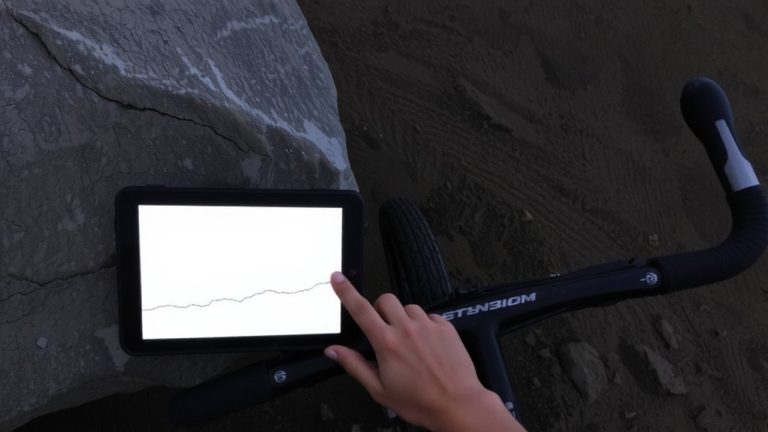
Since apps can pull from GPS and topographic databases, you’re able to see exactly how tight and frequent switchbacks are-giving you a clear picture of what kind of ride or hike you’re in for. Apps like onX Offroad use switchback density to confirm trail difficulty, analyzing curves per mile and elevation shifts to flag technical sections. High switchback density often means steep grades and sharp turns, pushing trails into black diamond or 7–10 ratings in official Trail Rating Systems. These apps validate ratings by overlaying user GPS tracks with elevation profiles, checking how tightly the trail switchbacks. The U.S. Forest Service and BLM factor in these patterns too-dense switchbacks usually earn a blue square or black diamond. Apps also blend in side slope and trail width data, so you’re not caught off guard. With accurate trail difficulty insights, you can pack the right gear-think grippy hiking boots, trail-rated tires, or a full-suspension mountain bike-and tackle the route with confidence.
On a final note
You now know switchback density hints at steepness, but terrain and surface matter just as much. Tight, frequent switchbacks often mean sustained climbs, best tackled with grippy 2.4-inch mountain bike tires or hiking boots with Vibram soles. Widely spaced turns suggest gentler grades, ideal for beginners. Always cross-check trail maps on apps like AllTrails or Gaia GPS, where elevation profiles and user reviews confirm what switchbacks alone won’t show.