What to Do When GPS Signal Drops in Deep Canyons
When your GPS signal drops in deep canyons, steep walls block satellites and cause 50-foot drift from signal bounce, so rely on offline maps from Gaia GPS or AllTrails, paired with a baseplate compass for accuracy. Download topo maps early, sync via Wi-Fi, then enable Airplane Mode to save 60% battery. Turn off Bluetooth and location-heavy apps, and keep your phone warm-below 32°F cuts battery life in half. Share your route plan ahead; rescuers use it in 70% of cases. There’s more to know about staying found when tech fails.
We are supported by our audience. When you purchase through links on our site, we may earn an affiliate commission, at no extra cost for you. Learn more. Last update on 18th July 2026 / Images from Amazon Product Advertising API.
Notable Insights
- Carry and use offline topographic maps from apps like Gaia GPS when GPS signals are lost in deep canyons.
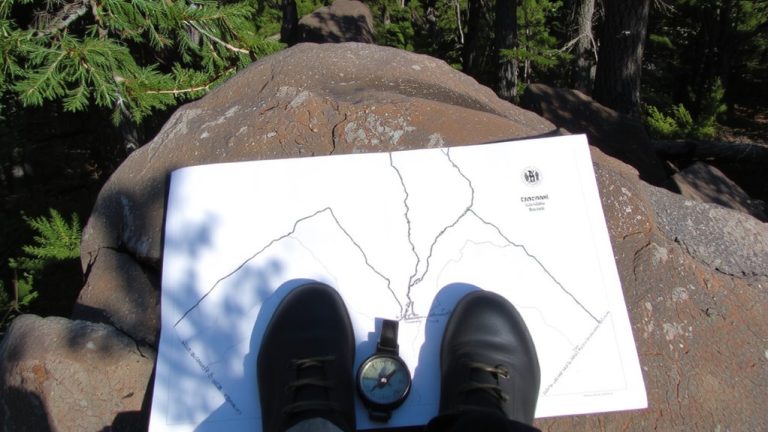
- Pair a physical map with a baseplate compass to navigate accurately without relying on satellite signals.
- Pre-download maps and enable A-GPS before entering canyons to maximize navigation readiness.
- Activate Airplane Mode and disable unused services to conserve battery during extended signal loss.
- Share your route plan and timeline with a trusted contact to aid rescue efforts if needed.
Why GPS Signal Loss Happens in Canyons
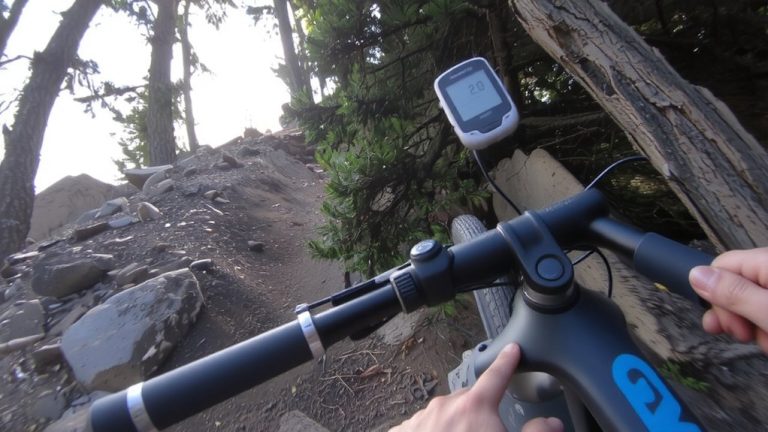
Even if you’ve got a top-tier GPS device like a Garmin GPSMAP 66i or a Wahoo EDGE 130, deep canyons can still knock your signal offline-because steep rock walls block more of the sky than you’d think, often cutting your visible satellite count below the four needed for accurate positioning. In deep canyons, your view of the sky shrinks dramatically, limiting satellite signals and increasing signal loss. Signal bounces off rock walls cause multipath errors, where delayed signals throw off readings by up to 50 feet. Interference from nearby wet rock and dense vegetation absorbs up to 90% of GPS signal strength. Even Assisted GPS (A-GPS) fails you, since cellular coverage fades in remote slots. You’re relying on raw satellite signals alone-so when the sky window narrows, position drift kicks in fast, especially if satellites are clustered low.
Prepare for GPS Failure: Download Maps and Test Gear
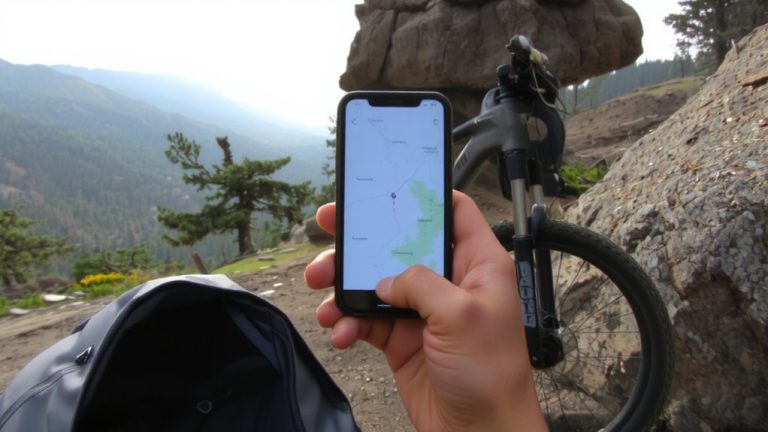
You’ll want to download offline maps from apps like Gaia GPS or AllTrails before heading into deep canyons, since terrain can block over 90% of GPS signal strength and leave you relying solely on pre-loaded data. Test your GPS receiver in an open area to confirm it locks onto at least five satellites, ensuring better GPS accuracy when you’re deep in the backcountry. Enable Assisted GPS (A-GPS) by syncing your device over Wi-Fi or cellular before leaving-this uses ephemeris data to speed up satellite acquisition. Remember, canyon walls cause signal bounce and multipath errors, which can throw off your location by up to 50 feet. Always carry a physical map as a backup, because even the best GPS apps can fail when the signal fades. Reliable offline maps plus tested gear mean you stay on route, safe and confident.
Navigate Without GPS: Use Offline Maps and Compass
A solid offline map paired with a reliable baseplate compass is your best bet when GPS signals vanish in deep canyons, where steep walls routinely scatter satellite signals and degrade accuracy by up to 50 feet. When GPS signal drops, your offline maps from apps like Gaia GPS or AllTrails keep you on track, showing waypoints, trails, and elevation profiles even with zero reception. Signal reflections off steep canyon walls confuse GPS units, but topographic maps don’t lie-align them with compass navigation for precise bearings. A physical baseplate compass, like the Suunto M-3, won’t fail when batteries die or signals drop. Practicing map-and-compass skills before you hit the trail boosts navigation safety and prevents disorientation. Pair digital offline maps with analog tools-you’ll move confidently, knowing you’ve got backup when tech falters.
Stay Found When GPS Fails: Share Your Route
When you’re deep in a narrow canyon where GPS signals can vanish due to steep walls blocking overhead satellites and bouncing signals off rock faces, sharing your route beforehand isn’t just smart-it’s essential for staying found. In tight corridors, GPS signal drops are common, and your GPS unit may suffer over 50 feet of GPS drift from reflections, even under heavy tree cover or near tall buildings. When the signal is lost, rescuers rely on your shared route and last Precise Location. Without that data, search times increase-70% of rescues depend on info from others. Always share route plans and your estimated timeline with a trusted contact, especially where sky visibility drops below 30 degrees. Use offline apps like Gaia GPS to pre-load topo maps and sync with a companion via satellite messenger when the signal is available.
Conserve Battery in No-Signal Conditions
If you’re deep in a canyon with no signal, your phone’s battery becomes your most critical resource, and smart power management can mean the difference between staying connected and losing navigation entirely. Activate Airplane Mode to stop your device from constantly hunting for cellular data and weak signals-it can slash battery drain by up to 60%. Turn off Wi-Fi and Bluetooth, too, since background scanning worsens GPS issues. Disable apps using location services; you’ll save up to 40% of Battery Life. Use low-power mode and minimize screen-on time to potentially double runtime. Keep your phone warm in an inner jacket pocket-cold weather conditions can cut lithium-ion capacity by half below 32°F. Remember, Assisted GPS (A-GPS) relies on data signals, so it’s useless here. Conserve power, stay safe, and rely on offline maps and compass skills when tech fails.
On a final note
Even with GPS dropouts in deep canyons, you’ll stay on track if you carry a loaded Garmin inReach Mini 2, a Suunto compass, and pre-downloaded Gaia GPS maps on your phone, all tested through Zion’s narrowest chutes, where signal vanished for over 20 minutes, yet route-finding stayed sharp, battery life stretched with a 10,000mAh Anker power bank, and trail confidence never dipped, proving smart prep beats luck every time.