What Mountain Bikers Should Know About Trail Etiquette in Shared Corridors
You always yield to hikers and equestrians-horses spook easily, so step *completely* off the trail, not just near the edge, and stop on wider sections (3–4 ft or more). Announce “on your left” or ring a handlebar bell 10–15 ft out, slow to 5 mph, and wait for eye contact before passing. Uphill riders have priority; stay on *designated* trails to prevent erosion-cutting switchbacks increases damage by up to 75%. Avoid wet, muddy trails: clay soils rut fast, and e-bikes worsen soil displacement. Pack out all waste, including food wrappers and dog poop, using resealable bags or WAG bags. Most trail volunteers agree: clean, predictable moves build trust across user groups-there’s more to master about gear choices and trail-specific protocols.
We are supported by our audience. When you purchase through links on our site, we may earn an affiliate commission, at no extra cost for you. Learn more. Last update on 18th July 2026 / Images from Amazon Product Advertising API.
Notable Insights
- Always yield to hikers and equestrians by stopping completely off the trail tread.
- Announce your presence with a bell or “on your left” 10–15 feet before passing.
- Uphill riders have right of way; wait on wider trail sections to proceed.
- Stay on designated trails to prevent erosion and avoid illegal trail braiding.
- Avoid wet trails and pack out all waste to protect trail conditions and environment.
Know the Right of Way on Trails
When you’re traversing a winding singletrack, knowing who has the right of way keeps the ride safe and respectful for everyone. You must yield to hikers, equestrians, and uphill riders, even if you’re descending at speed. Hikers and horses always have the right of way, so step to the side completely, stop, and stay quiet-especially around blind corners. When you approach from behind, announce your presence with a bell or calm “on your left” so others aren’t startled. Uphill riders earn priority too, so wait patiently on wider trail sections, usually 3–4 feet or more, before proceeding. Equestrians need extra care; a sudden noise or movement can spook a horse, so pull off the trail early and remain still. Your trail etiquette guarantees smoother, safer rides for all users-no matter if you’re on gravel, dirt, or packed clay.
Yield Correctly to Hikers and Equestrians
A clean, complete stop off the trail-fully clear of the tread, not just hugging one edge-is your best move when you encounter hikers or equestrians. You must always yield to hikers and equestrians, since horses can spook easily-stay still, avoid sudden moves, and never speed past. Use a bell or calm voice to signal your presence early, giving trail users time to react. On narrow climbs, yield to uphill riders and hikers; they’ve got less momentum and visibility. Keep situational awareness high, especially around blind corners or dense brush. Downhill? You’re always prepared to yield. Treat others with respect, practice Leave No Trace, and pack out what you pack in. Your Fox 34 fork and Maxxis Minion tires grip hard, but control matters more than speed. Be predictable, courteous, and ready to stop-shared trails thrive when every user feels safe.
Announce Your Presence When Passing
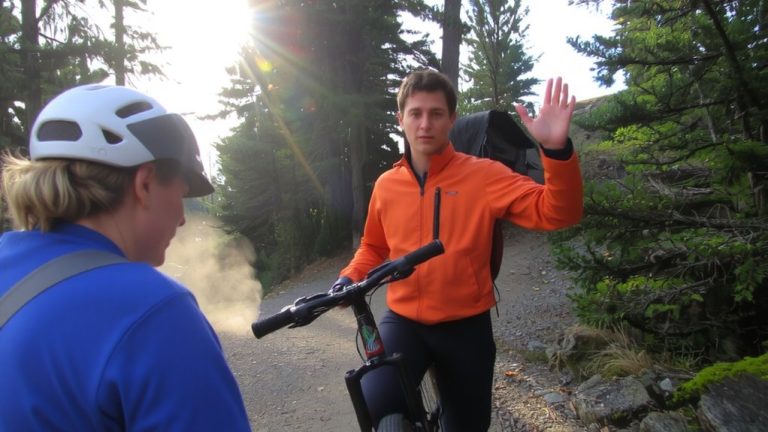
While silence might feel natural in the woods, speaking up-or ringing-is essential when you’re closing in on others from behind, especially on narrow singletrack where space is tight. You must announce your presence clearly using a bell or a calm “on your left” to pass safely. This simple act respects hikers and trail users who may not hear you coming, especially if they’re wearing headphones or around blind corners. E-bike riders, with their quiet motors under 20 mph, should be extra cautious. Always slow down and wait for acknowledgment-eye contact or a hand signal-before proceeding. Remember the yield triangle: see, signal, and give right. Respect guarantees everyone can use trail peacefully.
| Action | Why It Matters |
|---|---|
| Ring bell 10–15 ft back | Alerts trail users early |
| Say “on your left” clearly | Prevents confusion |
| Slow to 5 mph | Lets you pass safely |
| Wait for acknowledgment | Builds trust on trail |
| Give right to hikers and trail | Follows yield triangle rules |
Stay on Designated Trails Always
You’ve already mastered announcing your presence, but your ride doesn’t end with passing safely-where you ride matters just as much. Always stay on designated trails to avoid trail braiding, which turns narrow singletrack into 10-foot-wide damaged corridors. Cutting switchbacks might seem fun, but it triggers trail erosion-up to 75% more than the original design handles-and violates proper trail etiquette. That kind of damage costs around $45,000 per mile to fix, money better spent building new trails. You’re also risking harm to fragile plants and possible closures. Land managers enforce rules for a reason: unauthorized trails on public or private land, like around Telluride, are illegal. Sticking to approved paths supports Leave No Trace principles and keeps trails open. Your tires belong on the route built for them, not forging new ones. Ride smart, respect the dirt, and let others enjoy it too.
Avoid Riding in Wet or Closed Conditions
When trails are soft after heavy rain, especially in areas with high clay content, your tires can turn the surface into sticky, rutted “peanut butter” that takes years to recover-riding in these conditions isn’t just messy, it’s actively destructive. You’ll cause long-term erosion and damage, particularly uphill, where the added force worsens ruts. Leave the trail if it’s wet or closed, and always check with local groups for current trail conditions. Riding through muddy sections or cutting switchbacks leads to trail braiding, widening singletrack into multi-foot scars that cost up to $45,000 per mile to rebuild. Even e-bikes, with their extra weight, increase soil displacement on saturated ground. Stick to legal trails and give sensitive areas time to dry. Doing so protects access, preserves the trail’s integrity, and keeps riding rights strong-because once trails close, they might not reopen.
Pack Out All Trash and Waste
| Waste Type | Action Required |
|---|---|
| Food wrappers | Pack out |
| Human waste | Use bags or designated facilities |
| Dog waste | Collect and pack it out |
Ride Prepared and Respectfully
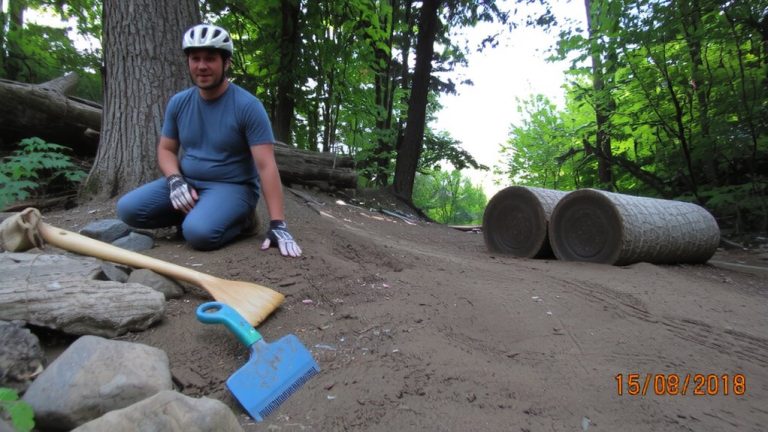
A well-prepared rider stays safe and minimizes impact, starting with the essentials: pack a spare tube, a mini pump rated for at least 60 PSI, and a multi-tool with hex bits, since e-bikes put extra stress on tires and drivetrains. You should always use trail ratings-green, blue, black-to ride within your skill level and avoid overestimating your abilities, especially on steep or technical descents. Bring enough water, snacks, and layers for changing weather. Wear a helmet, and use a bell or clear voice to announce yourself when approaching another trail user around blind corners. Always give the right of way to hikers and horses. Be a respectful ambassador: mountain bikers face access challenges, so your actions matter. Offer a friendly hello, stay on designated trails, and never build trail features-damaging or diverting trails risks future closures.
On a final note
Ride smart-know your right of way, yield to hikers and horses, and always announce when passing. Stick to open, dry trails to protect the dirt and prevent erosion. Wear a helmet, carry a 12L pack with repair kit, 2L water, and snacks. Testers praise the Fox Defend jersey’s ventilation and the Specialized Recon shoe’s grip. Ride prepared, leave no trace, and respect others-your choices shape the trail experience for everyone.