What Mountain Bikers Need to Know About Trail Restoration Projects
You help keep trails rideable when you support restoration that fixes gullies and ruts using durable mineral soil, not organic duff, every 50 to 100 feet on descents with water bars that divert hundreds of gallons per storm. Early fixes cut long-term costs by up to 75%, per IMBA data. Trained crews use proper tools and design to prevent erosion. Join organized workdays, bring a backpack with gloves and trade-grade tools, then discover how your rides directly shape trail sustainability.
We are supported by our audience. When you purchase through links on our site, we may earn an affiliate commission, at no extra cost for you. Learn more. Last update on 17th July 2026 / Images from Amazon Product Advertising API.
Notable Insights
- Trail restoration fixes erosion, ruts, and drainage issues to keep trails safe and sustainable for riding.
- Poor water management and heavy use cause gullies; proper drainage structures prevent further damage.
- Restoration uses mineral soil, not organic duff, to create durable, water-shedding trail surfaces.
- Only authorized, trained crews should perform restoration to avoid ecological harm and ensure safety.
- Mountain bikers can help by volunteering with certified groups and never building unauthorized trail features.
What Trail Restoration Is and Why It Matters
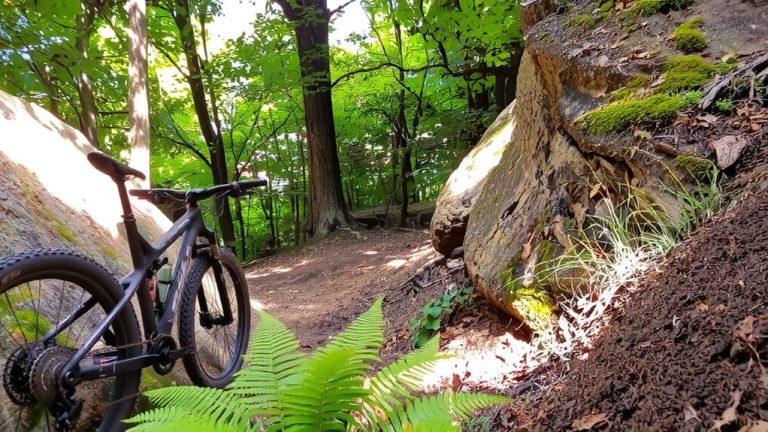
While you’re out riding your mountain bike on a favorite trail, you might not immediately notice the gullies forming after heavy rain or the compacted ruts where boots and tires have worn down the tread, but those are clear signs the trail needs restoration. Trail restoration repairs damage to keep your Mountain Bike Trail safe, rideable, and eco-friendly, fixing issues like standing water, erosion, and lost vegetation. It’s a key part of trail maintenance and the Trail Development Process, which includes planning, trail building, and ongoing care. Using mineral soil-never organic duff-ensures durable, sustainable trail surfaces that shed water runs. Proper trail design directs flow to prevent pooling. Early restoration cuts long-term repair costs by up to 75%, per IMBA data. Without it, trails degrade, risking closures-over 30% already lost in some areas. A well-maintained trail means better rides, longer seasons, and healthier forests.
How Restoration Work Actually Happens on Trails
Trail restoration starts long before tools hit the dirt-it begins with smart scouting and a solid understanding of what’s really going wrong on the trail. You see ruts and erosion, but trail builders dig deeper, identifying root causes like poor drainage or heavy mountain biker traffic. Restoration isn’t just patching wear and tear-it’s rebuilding with durable mineral soil beneath the trail surface to handle year-round use. Crews install water bars, dips, and culverts at precise intervals to redirect water, preventing pooling and further damage. These drainage fixes are critical: even a 12-inch water bar can divert hundreds of gallons per storm. Repaired trails are hand-blended for smooth shifts, keeping the natural ride flow mountain bikers expect. Only trained, authorized teams-like IMBA-certified crews-lead this work, ensuring trails meet landowner and ecological standards. It’s precision work that keeps trails sustainable, safe, and fun.
Ways Mountain Bikers Can Volunteer and Advocate
You’ve seen how trained crews rebuild trails with precision, using mineral soil to reinforce surfaces and installing water bars every 50 to 100 feet on descents to manage runoff-now it’s your turn to help maintain that quality ride. Get involved in trail projects through local IMBA chapters, where you’ll learn best practices like fixing ruts and improving sight lines. As a mountain biker, you can make sure work stays legal and sustainable by only acting with landowner consent-no rogue “trail fairies.” Joining regular trail days helps keep trails rideable and reduces environmental impacts. Share what you learn with the riding community, online or in person, to spread responsible habits. Invite others you meet on the trail to volunteer, helping turn casual riders into stewards. Advocacy starts with communication and action-your voice and hands make the difference.
Joining Official Restoration Workdays: What to Expect
When you sign up for an official restoration workday through your local IMBA chapter, you’ll need to register ahead of time so organizers can assign tools and go over safety protocols-no showing up unannounced. Required fields are marked on the registration form, including your email address, so you’ll get updates if heavy rain forces a reschedule. You’ll learn to use trade-grade mattocks and rakes-tool heads tight, handles crack-free-to clear drainage channels and repair ruts with mineral soil, creating less disruption to the Mountain’s natural flow.
| What You Give | What You Gain |
|---|---|
| Sweat and effort | Stronger trails |
| Time on a weekend | Pride in stewardship |
| Careful tool use | Safer riding |
| Respect for rules | Better access |
| Showing up | A legacy |
After, save your email preferences; check “website in this browser” so it’s easier next time. Trained volunteers are less likely to cause harm, and your work guarantees long-term sustainability. Use this browser for the next signup-efficiency helps us all.
On a final note
You’re riding smarter when you support trail restoration, and your impact stretches beyond singletrack. Bring a durable backpack with 20–30 liters capacity, wear gloves with reinforced palms, and carry tools like a multi-tool with a chain breaker. Stiff-soled shoes improve traction on rocky sections. Volunteer days often include rock work, water bars, and reroutes-testers say moisture-wicking base layers and hydration packs with 3L reservoirs help them last longer.