Why Spring Riding Requires Checking for Washed-Out Trail Sections
You need to check for washed-out trail sections in spring because freeze-thaw cycles weaken soil, creating 6- to 12-inch trenches, exposed roots, and ruts deeper than 2 inches that can damage your tires, rims, or suspension. South-facing trails with 3–6% cross-slope drain faster, but loamy or low-lying areas stay soft and prone to channeling water. Mud sticking to your shoes or tires means it’s still too wet-wait until dirt feels damp and tacky. Riding too early locks in permanent ruts. Reliable conditions and trail updates from FAST or GRIMBA mean smarter rides, fewer repairs, and better days on bikes built for the long haul.
We are supported by our audience. When you purchase through links on our site, we may earn an affiliate commission, at no extra cost for you. Learn more. Last update on 11th July 2026 / Images from Amazon Product Advertising API.
Notable Insights
- Spring thaw weakens trail structure through freeze-thaw cycles, increasing risk of washouts.
- Wet soil erodes easily, turning soft sections into deep, sharp-edged trenches after rain.
- Meltwater and rain concentrate in ruts, accelerating erosion and creating hidden trail hazards.
- Persistent puddles indicate failed drainage, often preceding full trail washout in low areas.
- Early season riding on soggy trails deepens ruts, worsening damage and prolonging recovery.
When Is It Safe to Ride Spring Trails?
When can you finally hit the trails without doing more harm than good? You’ll know Wet Trails are rideable when the soil’s dry enough that your tires or shoes leave no imprint-think firm, not squishy. Check trail conditions first: south and west-facing routes, like those in Skyridge, warm up fast and stay drier by mid-morning. Even then, go early; overnight freeze can mask soft ground that melts by noon. If mud sticks to your boots or tires, it’s still too wet-true hero dirt feels damp and tacky, not sticky. Follow FAST or Mountain Trails Foundation updates on social media for real-time trail status. Skip knobby 2.4”+ tires meant for mud; opt for 2.1” semi-slicks to reduce compaction. Lighter bikes, like alloy hardtails, also minimize impact. Watch the ground, not just the forecast.
How Freeze-Thaw Cycles Damage Trail Surfaces
Though the morning sun makes trails look rideable, don’t be fooled-freeze-thaw cycles are working beneath the surface, expanding and contracting the soil every day, which weakens the trail’s structure and sets the stage for cracks, ruts, and erosion. At night, water in the soil freezes, pushing the surface upward, and by day, thawing turns it soft and squishy, making trails prone to deformation. You’ll notice this fast on loamy or low-lying stretches, where just a few cycles can turn firm dirt into deep ruts. Without proper drainage-like a 3–6% cross-slope or functioning water bars-melted water lingers, worsening trail damage. Each time freeze-thaw cycles repeat, tire or boot impressions harden when refrozen, locking in permanent damage. These cycles don’t just soften trails-they reshape them, increasing the risk of serious trail damage that’s tough to repair.
Signs of Washouts and Mud Damage on Trails
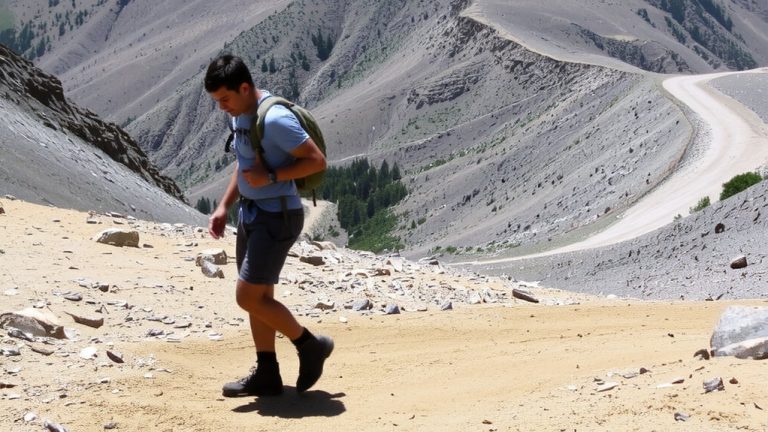
You’ve likely seen the aftermath-deep gullies carved into the trail where water ripped through soft soil, turning yesterday’s ride into a washout zone, and it all starts with riding too early when freeze-thaw cycles have already weakened the structure beneath. Washouts show up as sharp-edged trenches, often six to twelve inches deep, following existing ruts that act as drainage paths. Mud damage lingers in low spots, with puddles lasting days, signaling broken drainage and compacted soil. You’ll notice exposed roots and rocks as surrounding dirt erodes away, creating hazardous spots for trail runners and cyclists alike. Braided trails-multiple parallel paths-isolate the problem but spread erosion, widening the damage by up to three feet. Hardened tire or hoof imprints form ruts over two inches deep, channeling water and accelerating future washouts. Spotting these signs early helps protect trail integrity and keeps conditions rideable all season.
Where to Ride Instead During Wet Thaw Periods
Where should you ride when the trails are too soft to handle your tires? Stick to surfaces that handle wet conditions better. Gravel roads, paved paths, and logging roads-especially those with rocky terrain-won’t rut under your tires like loamy singletrack. In Sioux Falls, FAST-maintained paved and gravel routes are solid picks. South and west-facing trail aspects like Skyridge switchbacks or Round Valley’s south slopes dry faster, making them safer choices. When in doubt, pivot to blacktop with your mountain bike or swap to a road bike for longer spins. Use the Trail Forks app or Mountain Trails Foundation updates to check real-time conditions for spots like Riverview or Dutch Hollow.
| Location | Surface Type | Dries Fast in Wet Conditions? |
|---|---|---|
| Skyridge | Rocky singletrack | Yes |
| Glenwild Front | Compacted dirt | Yes |
| Riverview | Gravel & dirt | Moderate |
| Falls Area Paths | Paved/gravel | Yes |
How Riding in Mud Creates Permanent Ruts
Riding on soft, wet trails during the spring thaw might seem harmless at first, but it’s exactly when your tires do the most lasting damage. In wet conditions, even lightweight tires or hooves leave deep imprints that harden into permanent ruts as the ground freezes and thaws. These ruts act like canals, redirecting water flow and overwhelming the trail’s designed 3–6% cross-slope drainage. When you ride around puddles, you widen the path and push mud to the edges, spreading damage and blocking recovery. In Jasper National Park, this has created braided trails, lumps, and dips that challenge even expert riders. FAST reports show just one pass in muddy conditions can compromise trail integrity for months. That means more work for trail maintenance crews and fewer rideable days down the road. Your best bet? Stick to gravel roads or dry, packed singletrack until conditions firm up.
Join a Trail Crew or Report Conditions Today
While trail damage from spring riding can linger for months, you can help speed recovery and protect access by getting involved now. If you spot erosion, downed trees, or muddy sections, take 30 seconds to report conditions through https://ow.ly/zK5550VybPC-your update helps Parks Canada keep Jasper National Park trail info accurate. You don’t need special gear, just a phone and trail awareness. Trails are closed for a reason, and reporting guarantees closures stay effective until repairs finish. Use the Trail Forks app to log precise locations with timestamps, or follow FAST, Mountain Trails Foundation, and Basin Recreation on social media for ground-truth insights. With 6 recent comments and 8 shares on trail posts, riders like you are already shaping safer, sustainable use. Whether you’re packing a hydration pack or clipping into pedals, your voice matters-report conditions today, and ride responsibly tomorrow.
Check FAST and GRIMBA for Real-Time Updates
When trail conditions shift rapidly due to spring thaw, staying informed means the difference between a smooth ride and a muddy mess, so you should check FAST and GRIMBA for real-time updates before you roll out. Falls Area SingleTrack (FAST) posts daily on Facebook and Instagram, detailing Trail closures, Wet sections, and freeze-thaw damage. GRIMBA’s public Facebook group delivers real-time reports across the Grand Rapids and Itasca area, with user-verified notes on washed-out zones and soft, Wet tread. Their updates help you avoid trail damage and unsafe spots. The Trail Forks app pulls in FAST and GRIMBA data, offering timestamped alerts on puddles, erosion, and mud depth-some over 4 inches deep after rain. Checking these sources takes two minutes but saves hours of post-hole riding. Stay ready, stay light, and keep your XC tires ready for changing conditions.
On a final note
You should hold off on spring trail rides until surfaces dry, since freeze-thaw cycles soften soil and create sneaky washouts. Mud invites ruts-even lightweight bikes with 2.4-inch tires dig in fast. Opt for gravel or paved loops instead; check FAST and GRIMBA for trail alerts. If you go, wear quick-dry gear and carry a multi-tool, insulin pump belt (for storage), and micro-spikes for traction. Testers found trails recover faster when riders wait, so be patient, stay informed, and protect the dirt.