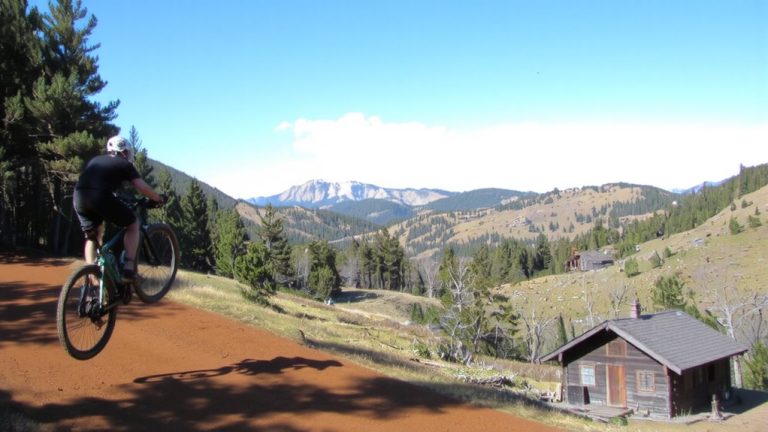
Best Park for Bike Riding
You’ll love Glacier National Park’s 50-mile Going-to-the-Sun Road, a car-free spring ride climbing to 6,646-foot Logan Pass with steady gradients, alpine meadows, and sheer cliffs. Ride it on a road or gravel bike with endurance geometry, a helmet, and moisture-wicking padded shorts. Pack gloves with gel padding, a handlebar bag for your GPS, and lights for safety. Bring layers-weather shifts fast. Ride before late June to avoid vehicle traffic and catch the route at its peak. See how gear choices and timing shape your ride.
We are supported by our audience. When you purchase through links on our site, we may earn an affiliate commission, at no extra cost for you. Learn more. Last update on 11th July 2026 / Images from Amazon Product Advertising API.
Notable Insights
- Glacier National Park offers 50 miles of car-free Going-to-the-Sun Road with alpine views and steady climbing.
- Zion National provides a 15-mile scenic, car-free canyon ride ideal for wildlife viewing and family biking.
- Acadia National Park features 45 miles of well-maintained gravel carriage roads perfect for hybrid and mountain bikes.
- Crater Lake’s 33-mile paved Rim Drive delivers panoramic volcanic vistas on a quiet, endurance-friendly loop.
- Olympic National Park grants temporary car-free access to Hurricane Ridge Road during annual bike events.
What Makes These National Parks Perfect for Cycling
While some national parks limit bike access, others are tailor-made for cyclists who want space, scenery, and safe routes free from heavy vehicle traffic, and these five stand out for their dedicated infrastructure, seasonal closures, and well-maintained paths. You’ll love the car-free cycling routes like Glacier’s Going-to-the-Sun Road, where 50 miles of steady climbing deliver epic scenic views across the Continental Divide before cars return. Zion’s canyon road stays shut to private vehicles, giving you peaceful 15-mile roundtrips alongside wildlife. Acadia’s 45-mile gravel carriage roads suit hybrid and mountain bikes perfectly-wide, sweeping, and free of singletrack challenges. Crater Lake’s paved trails loop 33 miles with jaw-dropping rim overlooks, while Everglades’ Shark Valley offers flat, 15-mile tram access teeming with gators and birds. Each national park guarantees reliable trail access, whether you’re after smooth pavement or rugged mountain biking trails.
Best Scenic Road Rides in National Parks
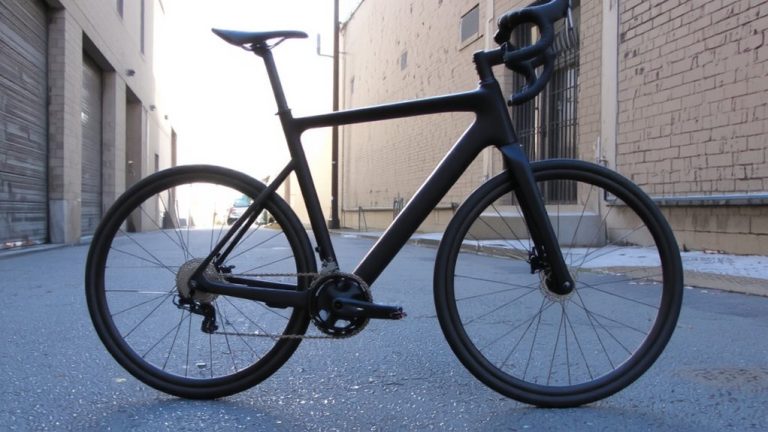
You’ll find some of the most rewarding road rides in national parks where scenery meets smart infrastructure, starting with Going-to-the-Sun Road in Glacier National Park-a 50-mile, steady climb to Logan Pass that’s closed to cars during spring plowing, giving cyclists uninterrupted access to alpine meadows, glacial valleys, and panoramic Divide views before vehicle reservations kick in; go with a lightweight road or endurance bike like the Trek Domane with 28mm tires for a smooth, stable ride on variable pavement, and pack layers since temps can swing 30 degrees from base to summit. For car-free scenic road rides, Zion Canyon Scenic Drive offers 15 miles of smooth tarmac beneath towering red cliffs, while Acadia National Park’s carriage roads invite gravel-capable bikes for serene loops past forests and ponds. Rim Drive at Crater Lake delivers jaw-dropping best views on a 33-mile paved loop-ideal for endurance riders. Though geared for mountain bikes, these parks’ bike trails and car-free corridors make them top picks for unforgettable scenic road rides.
When to Visit for Ideal Cycling Conditions
Since timing your trip right means the difference between smooth, soul-filling rides and battling weather or crowds, knowing when to visit key parks is just as important as choosing the right bike. For the Best Bike experiences, plan your visit around ideal trail conditions across these top destinations.
| Location | Best Time to Ride |
|---|---|
| Glacier National Park | Late May – early June |
| Park City bike parks | Late May – September |
| Wasatch Crest Trail | Mid-July onward |
| Zion National park trails | Spring & fall |
| Death Valley National Recreation area | Nov – Feb |
Ride lift-serviced mountain bike trails at Deer Valley State Park when summer and fall bring dry singletrack. Glide along Going-to-the-Sun Road with views of Lake McDonald before cars return. Whether chasing scenic park trails or high-alpine descents, these windows deliver peak conditions.
Essential Gear for National Park Rides
A well-prepped ride starts with the right gear, and when you’re tackling national park trails-from the 45-mile Acadia carriage roads to Park City’s 450-mile singletrack network-your equipment needs to match the terrain and distance. Always wear a bike helmet, replacing it every five years for full protection. Padded bike shorts with moisture-wicking fabric prevent chafing on long park roads. Choose bike gloves with gel cushioning and leather palms for better grip and reduced hand fatigue, especially on rocky trails. A handlebar bag with a clear sleeve keeps maps and GPS visible across miles of singletrack. Pack bike lights and a reliable pump-critical for remote areas like Death Valley or Olympic. These essentials enhance safety and comfort so you can focus on the natural beauty around you. Skip bike rentals if you bring trusted gear that fits.
Trail Access Within and Near National Parks
While some national parks restrict bike access to protect fragile ecosystems, many still offer exceptional riding opportunities on designated routes where you can pedal freely and safely. In the United States, National Parks like Acadia provide 45 miles of car-free carriage roads, perfect for hybrids or mountain bikes. You’ll find smooth, gravel-surfaced bike paths stretching miles long through scenic zones like Jordan Pond. Great Smoky Mountains National Park allows biking on just three trails-the Gatlinburg Trail, Oconaluftee River Trail, and lower Deep Creek Trail-so stick to those. Zion’s 6-mile canyon route is closed to cars, giving you safe access alongside shuttles. Grand Teton offers over 50 miles of multi-use pathways, including a car-separated route to Jenny Lake, located near Jackson. Olympic hosts a yearly car-free event on its 19-mile Hurricane Ridge Road climb.
On a final note
You’ll want lightweight, breathable layers and a well-fitted helmet with MIPS protection for safety. Stick to durable hybrid or gravel bikes with 35–40mm tires for mixed terrain. Pack a 20L backpack with repair kits, tubes, and 2 liters of water. Trails like Carriage Roads in Acadia or Going-to-the-Sun Road in Glacier offer smooth, predictable surfaces, tested by riders in all conditions-reliable, scenic, and ride-ready.