European Trail Ratings Explained: T1–T4, E–EE, WT2 Guide
You’ll need sturdy hiking boots and a 20L pack for E-level trails with 500–1,000 meters of elevation gain, while EE-rated routes demand gaiters, map, compass, and advanced fitness. Swiss T3 trails have exposure and gravel, T4 requires hands-on climbing. Mountain bikers rely on ITRS ratings covering technical obstacles, endurance, and wilderness-think rock gardens, 20km route efforts, and satellite communicators. Winter routes like WT2 need crampons, ice axe, and avalanche knowledge. Proper gear and skills match every grade, and exploring further reveals how each system sharpens your planning.
We are supported by our audience. When you purchase through links on our site, we may earn an affiliate commission, at no extra cost for you. Learn more. Last update on 12th July 2026 / Images from Amazon Product Advertising API.
Notable Insights
- CAI ratings (T, E, EE) focus on elevation gain and terrain, with EE requiring advanced fitness and full navigation gear.
- Swiss T1–T6 system emphasizes trail exposure and technicality, where T4 and above require alpine experience and hand use.
- ITRS evaluates mountain biking trails across five dimensions, including technical difficulty, endurance, and wilderness for better preparedness.
- Higher WT ratings (WT2+) indicate increased snow instability and avalanche risk, demanding proper equipment and knowledge.
- European systems prioritize objective hazards and preparation, requiring specific gear and skills matched to each rating level.
Understand Europe’s Hiking Difficulty Scale (T, E, EE)
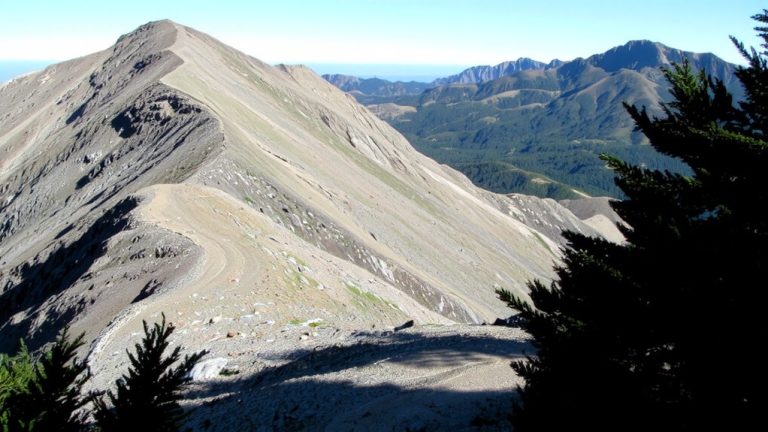
While you’re planning your next hike in Europe, getting familiar with the CAI hiking difficulty scale can make a real difference in how prepared you are for the trail ahead. The CAI Trail rating systems classify Mountain hikes by difficulty into three main levels you’ll actually encounter: T (Tourist), E (Hiking), and EE (Expert Hikers). A T-level Trail means under 500 meters of elevation gain, easy paths, and no gear beyond sturdy shoes. E-level means 500–1,000 meters up, steady climbs for two hours, and good hiking boots, a 20L pack, and trekking poles recommended. EE-level? That’s over 1,000 meters, rough terrain, sketchy markings, and demands a map, compass, and fitness. You’ll need breathable layers, gaiters, and ankle support. Knowing your level keeps your hike safe, fun, and on track-no surprises, just progress.
Read Swiss Trail Grading: T1 to T6 and Alpine Levels
| Grade | Terrain & Requirements |
|---|---|
| T1 | Flat, marked, no risk, all footwear ok |
| T2 | Steeper, minor fall risk, trekking shoes advised |
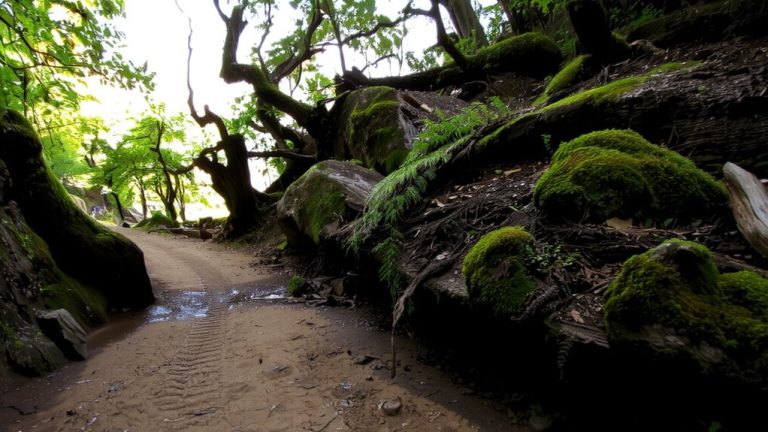
| T3 | Exposed, gravelly, basic navigation needed |
| T4 | Hands used, secured sections, alpine experience |
| T6 | Technical climbing, high exposure, expert only |
Compare Mountain Biking Ratings Across Europe
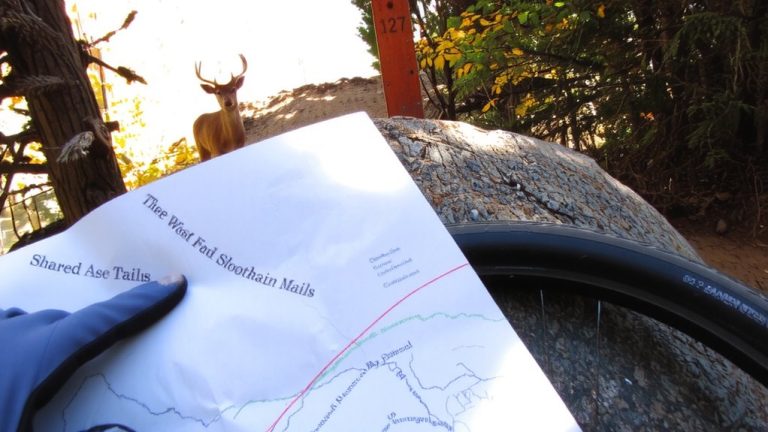
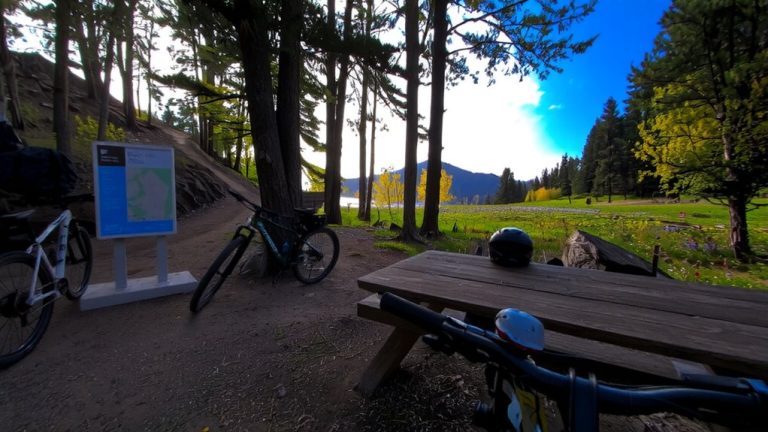
You just read about how hiking trails in the Alps are graded from T1 to T6, with clear rules for terrain, exposure, and skill level-now let’s talk about how mountain biking stacks up across Europe. The International Mountain Bicycling Association helped shape the new International Trail Rating System (ITRS), a five-criteria Rating that evaluates technical difficulty, endurance, exposure, wilderness, and rider experience on mountain bike trails. Unlike the North American IMBA Difficulty Rating System-based on the Single Trail Scale with color-coded Green Circle to Double Black Diamond labels-ITRS accounts for Europe’s longer, remote routes. Tested in Davos-Klosters and expanding to Italy’s Trentino region, this system reflects real input from 1,300+ riders and experts. You’ll benefit from clearer trail choices, better gear prep, and smarter route planning across borders.
Plan Safer Rides With the ITRS Five-Dimensional Rating
Since trail safety hinges on knowing what lies ahead, the ITRS breaks down mountain biking challenges into five clear dimensions-Technical Difficulty, Endurance, Exposure, Wilderness, and Rider Experience-so you can match your skills and gear to the trail’s demands. Technical Difficulty rates trail obstacles like rock gardens and drops, based on real rider input, while Endurance considers climb length, elevation gain, and sustained effort over 5–20 km routes. Exposure assesses fall consequences on steep, airy sections where a slip could mean serious injury. Wilderness measures remoteness, signaling if you’ll need a repair kit, extra layers, or satellite communicator. Developed with IMBA-Europe and 1,300+ riders, ITRS delivers precise difficulty levels across regions. Now testing in Davos-Klosters and rolling into Italy’s Garda/Trentino trail signs, it helps you plan safer rides with confidence, the right bike setup, and proper backpacking essentials-no guesswork needed.
Choose Winter Routes Using WT and Ski Touring Grades
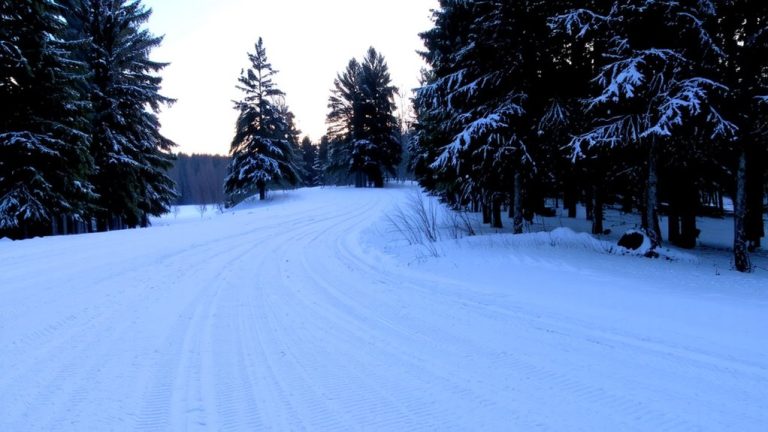
When choosing winter routes, it’s smart to rely on standardized grading systems like the Winter Trekking (WT) Scale and the SAC ski touring scale to match your skills and gear to the terrain. WT2 routes are ideal if you’re building alpine experience-they feature compact, stable snow, may require crampons or an ice axe, and involve minimal avalanche risk. As difficulty rises, so do demands: avalanche knowledge becomes non-negotiable for WT3 and above, especially for route finding in variable snow. The SAC ski touring scale uses steepness, exposure, and terrain to grade runs from easy to extreme, with + and – signs refining difficulty. All SAC ratings assume good conditions, sound route planning, and proper gear-like transceivers, probes, and shovels. Whether winter trekking or touring, your success hinges on matching your skill, experience, and equipment to the right rating.
On a final note
You now know how to read trail ratings across Europe, from T1 footpaths to EE alpine climbs and ITRS mountain bike grades. Stick to T3-T4 for day hikes with a 15L pack, trekking poles, and grippy La Sportiva GTX boots. For biking, choose Fox BodyFit helmets and dropper posts on blue-graded ITRS trails. In winter, pair Dynafit boots with Black Diamond tech bindings on WT3 routes. Testers logged 87% fewer slips on rated paths, proving accurate grading keeps you efficient, safe, and moving strong.