Maximizing Grip on Sand Patches by Reducing Tire PSI Strategically
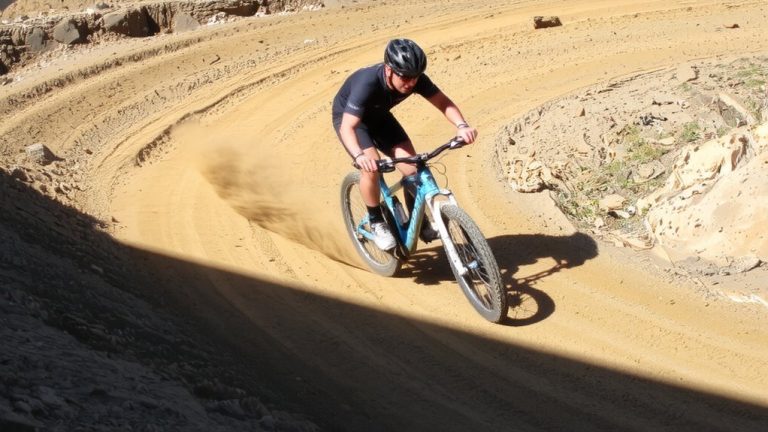
You boost grip on sand by dropping your tire pressure to 10–18 PSI, letting the tires spread out like snowshoes for better floatation. Lower PSI increases the contact patch, improves traction, and keeps you from sinking in soft or wet sand. Use a digital gauge and Deflate-Rite tool for precise, even deflation, then reinflate fast with a Ten Six 12V compressor. Never run below 10 PSI without beadlocks, and always re-inflate to 30–35 PSI before pavement. Try it before your next dune run.
We are supported by our audience. When you purchase through links on our site, we may earn an affiliate commission, at no extra cost for you. Learn more. Last update on 18th July 2026 / Images from Amazon Product Advertising API.
Notable Insights
- Lowering tire pressure to 10–18 PSI increases the contact patch for better grip on sand.
- Reduced PSI allows tires to flex and conform to shifting sand for improved traction.
- Airing down enhances floatation, preventing tires from sinking into soft sand patches.
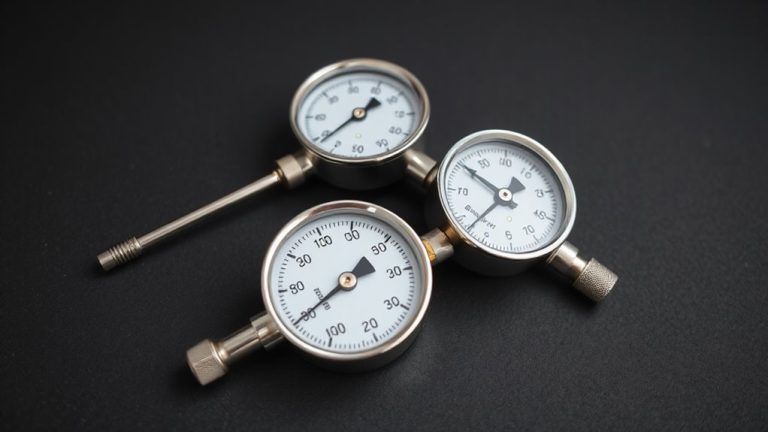
- Use precise tools like digital gauges and bleed valves for accurate PSI adjustments.
- Re-inflate tires to 30–35 PSI after off-road driving to ensure safe pavement travel.
Why Lower Tire Pressure Helps You Float on Sand
Think of your tires as snowshoes-when you drop the pressure to 10–18 PSI, they spread out across the sand instead of punching through it. Lower tire pressure increases the contact patch, letting your aired-down tires distribute weight over more surface area for better floatation. On soft sand, that extra tire flex lets the tread hug terrain instead of slicing in, which boosts traction and keeps you moving. You’ll notice the difference immediately: the vehicle glides smoothly, floating instead of bogging down. High pressure-say, 30+ PSI-creates a smaller footprint, sinking you fast. But at 10–18 PSI, depending on your tire size and load, you get ideal grip and control. Riders routinely report cleaner lines and fewer stops, especially on dunes. Properly deflated tires maintain consistent ground contact, adapting to shifting sand without losing momentum. Lower pressure isn’t just helpful-it’s essential for serious sand driving.
How to Air Down Safely Before Hitting the Dunes
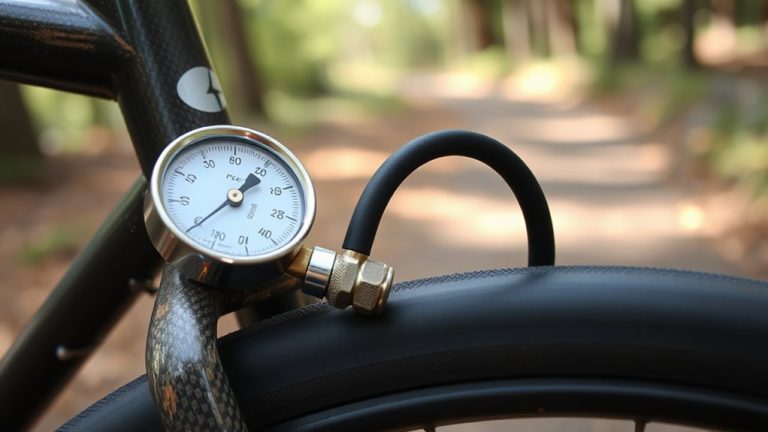
You’ve seen how lowering your tire pressure to 10–18 PSI helps your tires spread out like snowshoes, giving you the floatation needed to glide over soft sand instead of slicing into it. When reducing tire pressure, always start on firm ground using accurate deflation tools and a digital tire pressure gauge-precision matters, as even 2–3 PSI off can impact handling. Use an air release tool with a built-in gauge for better control, and be sure you’re checking pressures frequently. Stay within 10–18 PSI, and never go below 10 PSI unless you’re running beadlock wheels, since standard rims risk de-beading in sharp turns. Once aired down, avoid driving far on hard surfaces. When it’s time to leave, re-inflate quickly with a high-output portable compressor like the Ten Six 12V model to restore 30–35 PSI for safe pavement travel.
Best PSI for Soft, Deep, or Wet Sand Conditions
When tackling soft, deep, or wet sand, dropping your tire pressure to 10–15 PSI gives you the best balance of flotation and control, letting your tires spread out and ride on top instead of digging in. Lower pressures create a larger contact patch, improving grip by maximizing surface contact with shifting terrain. This tire pressure allows your tires to conform to rocks and handle deep mud, but avoid extremely low pressures below 10 PSI-risk of bead unseating rises, especially without beadlocks. Heavier loads may need up to 18 PSI for stability. Always re-inflate before pavement to prevent damage from heat buildup.
| Terrain Type | Recommended PSI |
|---|---|
| Soft, dry sand | 12–15 |
| Wet sand/deep dunes | 10–12 |
| Mixed sand/rocks | 14–16 |
Proper air management guarantees peak performance-your tires need room to flex, maintain contact, and adapt without risking harm.
Top Tools for Fast Tire Inflation and Deflation
While traversing remote trails, cutting downtime between airing down and re-inflating can make or break your momentum, and that’s where purpose-built tools shine. Lowering tire pressures to ideal PSI allow better grip on sand, and the MORRflate Air Hub with Ten Six compressor lets you set precise, consistent low pressures across all four tires fast-around five minutes, thanks to high-CFM output and durable, lifetime-warranty hoses. The Ten Six’s rugged design endured three years of extreme off-road testing, so you know it won’t quit when you need it most. Pair it with Tire-Rite’s Deflate-Rite set to dump air pressure quickly and evenly without holding valve stems open. Digital gauges with bleed valves help fine-tune your proper tire pressure, so correct pressure allows the tire to deform just right for traction. Smart pressure management means you spend less time adjusting and more time riding, maintaining ideal low tire pressures safely and efficiently.
On a final note
You’ll float better on sand with lower PSI-aim for 15–20 in soft dunes, 22–25 in wet packed areas. Always use a reliable gauge, like the JACO FillPro, and carry a portable compressor, like the ARB Twin, for quick re-inflation. Testers report smoother rides and fewer ruts at 18 PSI on deep dunes, with no bead issues on 17-inch all-terrain rims. Air down before you’re stuck, not after.