Best Mountain Biking Colorado
You’ll tackle everything from desert singletrack near Fruita to 10,000-foot alpine descents in Crested Butte, so bring a bike built tough-aluminum frames, 120mm+ suspension, and tubeless tires handle rocky chutes and sustained climbs with confidence. Try the 8-mile Trail 401 descent or roll the PBR at 18 Road for flow, then consider how the right gear shapes your ride when terrain turns rugged.
We are supported by our audience. When you purchase through links on our site, we may earn an affiliate commission, at no extra cost for you. Learn more. Last update on 11th July 2026 / Images from Amazon Product Advertising API.
Notable Insights
- Colorado offers over 5,000 miles of trails, from desert singletrack to alpine routes above 10,000 feet.
- Crested Butte, the birthplace of mountain biking, features legendary high-alpine trails like Trail 401.
- Top beginner trails include Marshall Mesa Doudy Draw Loop and PBR at 18 Road in Fruita.
- Monarch Crest and Kokopelli trails demand durable bikes with full suspension or e-MTB support.
- Prime riding season spans April–October, with high-elevation zones best July–September.
Why Colorado Is a Mountain Biking Paradise
While you’re standing at the base of a red rock canyon or just clipping into your pedals at 9,000 feet, one thing becomes clear: Colorado isn’t just good for mountain biking-it’s built for it. You’re riding in the birthplace of the sport, where Crested Butte’s 1976 ‘Klunker’ runs started a revolution. The state’s trail system spans over 5,000 miles, from desert singletrack to high alpine routes above 10,000 feet. You’ll find some of the best MTB trails here, like the 35-mile Monarch Crest Route, with sustained climbs and rocky descents that test even top-tier dropper posts and 29” rubber. Whether you’re tackling a technical downhill trail or loading a 20L pack for backcountry laps, Colorado mountain biking delivers. Rugged trails demand durable builds-think burly aluminum frames, 120mm+ suspension, and tubeless setups. With over 15 ranges and consistent alpine exposure, this trail network doesn’t just challenge you-it transforms your riding.
Best Colorado Mountain Biking Regions by Season & Terrain
You’ll want to plan your Colorado mountain biking adventures around elevation and season, since the state’s diverse terrain means trail access changes dramatically from spring to fall. For early-season rides, head to Grand Junction-its lower elevation means Horsethief Bench and other Colorado MTB trails open April through October. Crested Butte and Roaring Fork, sitting higher, offer alpine singletrack from June to October, perfect for summer Colorado Mountain Bike trips. Southern and northern zones, like Salida or Nederland, shine in July–September or during cool-weather windows. Desert terrain near Palisade stays rideable late spring to early fall.
| Region | Best Season | Terrain Type |
|---|---|---|
| Grand Junction | Apr–Oct | Desert singletrack |
| Crested Butte | Jun–Oct | High-alpine |
| Roaring Fork | Jun–Sep | Mixed forest |
Wear lightweight gear on dry trail in Colorado; pack layers for sudden alpine shifts.
Top Mountain Bike Trails by Skill Level: From Fruita to Crested Butte
Though the red rock canyons and alpine meadows of Colorado demand smart trail choices, matching your skill level to the right ride makes all the difference, and these top picks-from Fruita’s flowy loops to Crested Butte’s high-country descents-deliver quality singletrack without guesswork. If you’re new to mountain biking, hit Marshall Mesa Doudy Draw Loop, a 12.1-mile beginner trail with mellow climbs and spring panoramas, or try PBR at 18 Road, a 1.7-mile beginner-to-intermediate trail packed with rollers and berms. For an intermediate-level trail, Kokopelli Loops in Fruita offers 3.9 miles of slick, 374-ft-elevation singletrack beside the Colorado River. Near Crested Butte, Trail 401 gives beginner riders 8 miles of descending through wildflower meadows with 2,034 ft of drop. In Glenwood Springs, Coal Camp (Down) delivers 0.43 miles of fast, sculpted dirt-perfect for a quick bike check or confidence boost.
Best Bikes for Colorado’s High-Altitude Trails
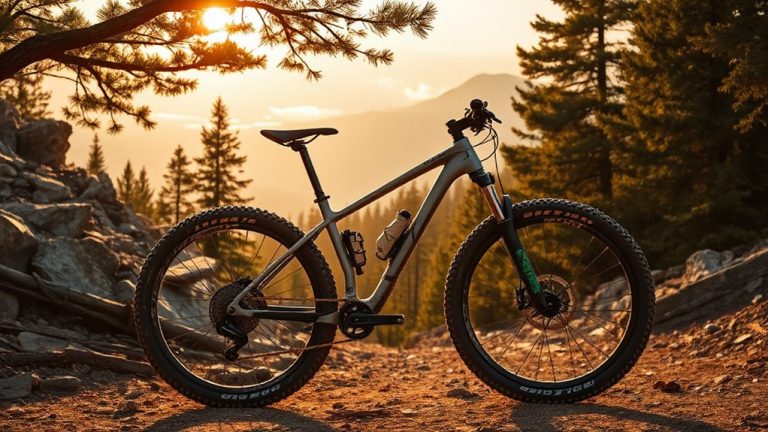
When tackling Colorado’s high-altitude trails, where oxygen is thinner and terrain turns technical above 8,000 feet, your bike needs to balance durability, efficiency, and control-full-suspension models like the Spectral with 150–160mm of travel deliver exactly that, smoothing rocky chutes and root-laden descents while maintaining climbing composure on long alpine ascents. For less intense but still demanding terrain, the Neuron with 130–140mm travel offers all-day comfort, ideal for trail users logging miles across Crested Butte Mountain or bike parks’ flow trail. Need distance? The Lux Trail excels on long mountain biking trails like Kokopelli’s 140-mile route. E-MTBs like the Spectral:ON, with 85Nm torque and 900Wh battery, help you conquer 10,000-foot passes. Lightweight Grand Canyon hardtails suit intermediates. Pick your best mountain bike based on trail demands, not trends.
When to Ride: Seasons, E-Bikes & Trip Planning Tips
Spring rolls in early if you know where to look, and while your Spectral or Neuron was built for high-alpine punch, it’ll feel right at home on the slickrock of Fruita by mid-March, where average elevations hover around 4,500 feet and singletrack dries out fast under strong desert sun. Aim for April to October for the best MTB seasons statewide, but remember: towns like Crested Butte see snow past June above 8,000 feet. E-bikes open doors to trails like Coal Camp, though check local rules-some don’t allow them. The bike park at Crested Butte shines July through September with sculpted flow and tech zones.
| Region | Best Months | E-bikes Allowed |
|---|---|---|
| Fruita | Mar–Nov | Yes (some trails) |
| Crested Butte | Jul–Sep | Designated trails |
| High Alpine (10,000’+) | Jul–Sep | Limited access |
On a final note
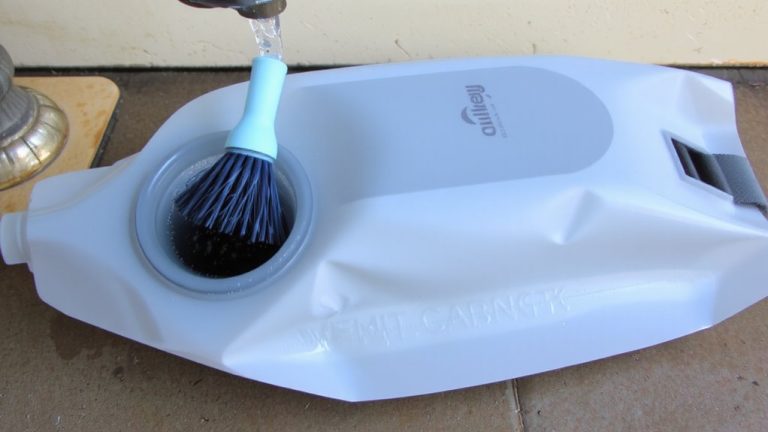
You’ll crush Colorado’s high-altitude trails with a dropper post, tubeless tires at 22–28 psi, and a lightweight full-suspension bike like the Santa Cruz Hightower. Stick to durable trail shoes, a 12L hydration pack with 3L bladder, and breathable merino layers. Testers logged 800+ vertical feet per ride on Fruita’s Moab-style slickrock and Crested Butte’s alpine singletrack, confirming durable tires and reliable brakes-like SRAM Code R-make all the difference. Plan rides early, carry electrolytes, and ride smart.