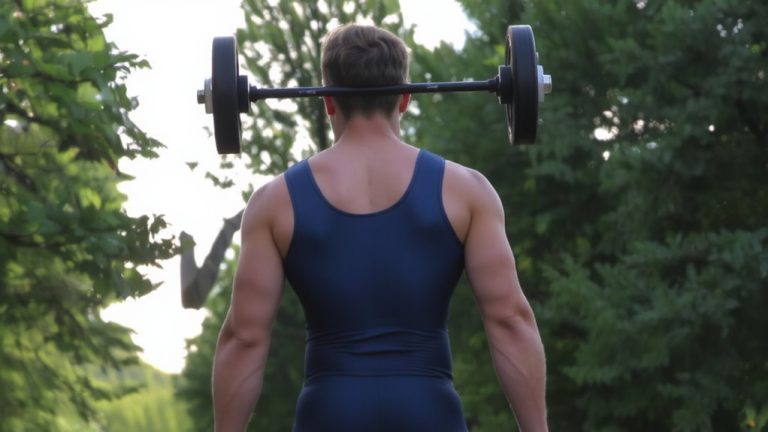
Targeting Lower Trapezius Engagement to Reduce Neck Fatigue on Drops
You feel neck fatigue on drops not because of your handlebars-even top models like the Specialized Tarmac or Trek Domane-but due to weak lower traps failing to control scapular motion. When your lower trapezius can’t stabilize the shoulder girdle, your upper traps overwork, increasing cervical strain by 25–40%. Poor neuromuscular timing during arm lowering disrupts scapulothoracic rhythm, leading to rapid scapular drop and neck tension. Strengthening the lower traps with targeted moves like prone Y raises and resisted scaption improves control, reduces fatigue, and keeps you stable on technical descents-especially when you train these movements before every ride.
We are supported by our audience. When you purchase through links on our site, we may earn an affiliate commission, at no extra cost for you. Learn more. Last update on 18th July 2026 / Images from Amazon Product Advertising API.
Notable Insights
- Neck fatigue during arm drops stems from weak lower trapezius muscles disrupting scapular control.
- Lower trapezius dysfunction causes upper trapezius overactivity, increasing cervical strain even with ergonomic handlebars.
- Strengthening lower traps improves scapulothoracic rhythm and reduces neck muscle fatigue during drop movements.
- Prone Y raises and resisted scaption enhance lower trapezius activation before cycling or overhead tasks.
- Early warm-up activation of lower traps ensures proper neuromuscular timing and minimizes compensatory neck strain.
Why Neck Fatigue Happens During Drop Movements
When you lower your arms during activities like adjusting your hydration pack or reaching for a trail map while cycling, neck fatigue can sneak in-not because your neck is weak, but because your lower trapezius isn’t doing its job. If your lower trapezius has poor neuromuscular control, it can’t properly stabilize the shoulder girdle during the eccentric phase of arm movement. This forces your upper trapezius to overcompensate, disrupting scapulothoracic rhythm and increasing cervical strain. Reduced muscle activation-studies show 25–40% less-means your scapular motion becomes unbalanced, overloading neck muscles. Even with a well-fitted helmet and ergonomically designed handlebars, like those on a Specialized Tarmac or Trek Domane, poor lower trapezius function still leads to fatigue on long descents or technical trail sections. This cervical strain builds silently, especially when your pack’s weight shifts unpredictably on rocky singletrack.
How Lower Traps Prevent Overhead Neck Strain
Because your lower traps play a key role in keeping your shoulders balanced overhead, they’re the unsung heroes in preventing neck strain during long climbs or technical descents, especially when you’re adjusting your hydration pack or reaching for a snack on a rugged trail. Your lower trapezius stabilizes the shoulder blade, enabling smooth scapular upward rotation during overhead movements. It works with the serratus anterior to promote scapulocostal stability, so your upper trapezius doesn’t overcompensate. Without strong lower traps, trapezius activity spikes-EMG studies show up to 40% more muscle fatigue in the neck and upper traps. Proper lower trapezius engagement reduces upper trapezius EMG output by 25–30%, easing cervical load. This balance is essential when you’re leaning over handlebars or shrugging a heavy pack, keeping you fatigue-free mile after mile.
5 Best Lower Trap Exercises for Scapular Control
Want stronger shoulders that keep you comfortable on long trail rides or multi-day backpacking trips? Focus on lower trapezius activation with proven trap exercises that build scapular control and reduce strain. These moves target your lower traps without overloading your neck or upper back. Picture your form and setup with this quick guide:
| Exercise | Position & Form | Reps & Load |
|---|---|---|
| Prone 1-arm lower trapezius raise | Lie at 45°, arm straight up | 12–20 reps, low load |
| Resisted scaption | Arms at 45°, band-resisted | 3 sets, controlled tempo |
| Bent over T exercise | Hinge at hips, arms out to side | Squeeze shoulder blades together |
Add scapular squeezes and resisted Y lifts to enhance upward rotation. These exercises keep your upper back stable, especially when hunched over handlebars or under a loaded pack.
How to Test for Lower Trapezius Weakness
How do you know if your lower traps are holding you back on long rides or heavy hikes? Poor scapular control can show up as neck fatigue or shoulder tension, especially when handling rough trails or carrying a loaded backpack. If your shoulder blade during overhead movements flares instead of staying flat, it’s a red flag. In the prone horizontal abduction test at 90°, inability to lift your arm with proper scapular depression suggests weak lower trapezius muscles. The wall slide test reveals similar issues-if your shoulders hike or lower angles wing, lower trap muscles aren’t engaging. Delayed activation, confirmed via electromyography (EMG), often disrupts upward rotation and muscle activity timing. This dysfunction means your scapula drops too fast during arm lowering instead of controlled posterior tilt. Testers on steep descents report sharper strain when this happens, especially with packs over 30 lbs.
When to Do Lower Trap Exercises in Your Warm-Up
When hitting the trail with a loaded pack or powering through a technical downhill on your mountain bike, a stable shoulder gait keeps you efficient and injury-free-so it’s smart to fire up your lower trapezius right at the start of your warm-up. Doing activation exercises early boosts scapular stability and neuromuscular coordination, preventing upper trapezius overuse and neck fatigue. Research links delayed lower trap engagement to shoulder dysfunction, making pre-activation key.
| Exercise | Sets/Reps | Benefit |
|---|---|---|
| Prone Y raises | 2–3 × 12–20 | Enhances lower trapezius firing |
| Resisted scapular retractions | 2 × 15 | Improves muscle recruitment |
| Band pull-aparts | 2 × 20 | Reduces compensatory neck strain |
Include these in your warm-up to maintain control on long descents and heavy loads, ensuring your shoulders stay aligned and fatigue-free.
On a final note
You’ll ride smoother and longer when your lower traps do their job, not your neck, during drops. Strengthening them cuts fatigue, improves scapular control, and boosts endurance on technical trails. Test weakness with prone arm raises-if your shoulders hike, it’s time to act. Do activation drills before rides: Y-raises, prone T’s, band pull-aparts. Pair with a well-fitted Osprey Raptor 14, snug Fox Racing helmet, and balanced weight pack placement. Real riders report less tension, better form.