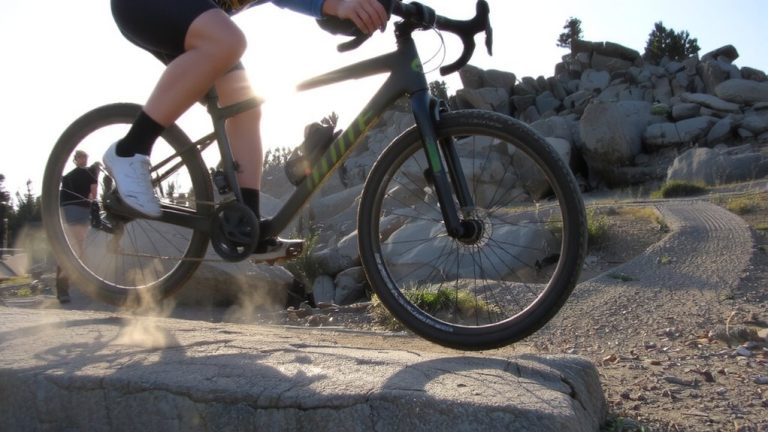
Training Peaking Cycles Around Local Enduro Event Calendars
You align each peaking block to end 1–2 weeks before race day, then taper volume by 40–60% over 7–14 days while keeping intensity high with 4–6 x 3-min VO2 max efforts at 110–120% FTP, race-sim runs, and technical trail laps. For A races, do a full 2-week taper; for B races, cut volume midweek; for C races, maintain load like training. Stick to this rhythm and you’ll see sharper exits, cleaner lines, and stronger finishes when it counts.
We are supported by our audience. When you purchase through links on our site, we may earn an affiliate commission, at no extra cost for you. Learn more. Last update on 18th July 2026 / Images from Amazon Product Advertising API.
Notable Insights
- Align peaking blocks to end 1–2 weeks before each enduro race for optimal freshness.
- Implement a 7–14 day taper, reducing volume by 40–60% while maintaining high-intensity efforts.
- For A races, execute a full two-week taper with race-specific openers; for B races, use a half-week taper.
- Use C races as high-intensity training replacements without reducing overall training volume.
- For stacked A races under 8 weeks apart, repeat the final specialty week instead of full tapering.
Plan Peaking Blocks Around Enduro Race Dates
When you’re gearing up for an A-category enduro race, timing your peak just right can make the difference between a podium finish and an also-ran, so align each peaking block to wrap up 1–2 weeks before race day with a solid 2-week taper that cuts weekly volume by 40–60% while keeping intensity high-think 4–6 x 3-minute VO2 max efforts at 110–120% FTP, just like our testers did on the Santa Cruz V10 downhill rig during mock race runs in the Pacific Northwest. Your peak should arrive just as race week begins, not before. Stick to high-intensity intervals even during the taper to maintain neuromuscular sharpness. For back-to-back A-events, skip the full two week taper and repeat your final buildup week to preserve fitness. Limit A-races to 2–4 per season so chronic training volume isn’t compromised. Each peaking block builds toward one key event, ensuring you’re fresh, powerful, and race-ready when it counts.
Taper for 7–14 Days Before Enduro Events
Although you’ve put in the hard work during your overload phase, the real magic happens in the 7–14 days before your enduro event, when you dial back volume by 40–60% to let your body fully recover while keeping your edge with high-intensity efforts. Use this window to taper for a race by slashing training volume but hanging onto intensity-think short 30–60 second sprints or VO2 Max intervals that preserve neuromuscular sharpness and anaerobic power. After a block of 20–30% increased training load, this 7–14 days of reduced volume allows full recovery and boosts lactate threshold power. Slot in a race-simulation workout 5–7 days out, then shift to progressive openers: 2–3 short bursts, dropping to 10–30 second sprints 24 hours prior. You’ll feel fresh, primed, and race-ready without losing fitness-maximizing performance gains up to 5.4%.
Taper Differently for A, B, and C Races
You’ll get the most out of your training by tailoring your taper to the importance of the race, since not every event demands the same recovery strategy. For A races, use a full two-week taper with reduced volume-cut training by 50%-but maintain intensity through shorter VO2 max intervals, like 3 instead of 5. Include race-specific openers Friday, with full recovery between 1–5 minute efforts, to prime your nervous system. For B races, apply a half-week taper: keep your Tuesday interval session, then drop Thursday and Friday to low Zone 1–2 rides with short openers. Treat C races like training; no taper, just replace a regular workout. If stacking A races closer than eight weeks apart, repeat the final week of your Specialty block or use a shortened taper to stay sharp without losing fitness.
Use B and C Races to Build Enduro Fitness
While your A races demand full tapers and peak freshness, treating B and C races as structured training opportunities actually sharpens your enduro fitness without derailing long-term progress. Use C races-like local enduros or timed practice runs-to replace high-intensity days and maintain race-specific stimulus with no taper. For B races, apply a mini half-week taper: maintained intensity Tuesday, reduced Wednesday endurance, Thursday recovery. This keeps your consistent training load intact while simulating race readiness. Training through races lets you target untrained physiological systems-say, VO2Max on technical climbs or anaerobic bursts on rock gardens-boosting fitness smartly. Stick to reduced volume, not intensity; cutting intensity by one-third can drop endurance 21%. Keep intensity high, volume low.
| Focus Area | B Races | C Races |
|---|---|---|
| Taper Strategy | mini half-week taper | no taper |
| Training Approach | training through races | race-specific stimulus |
| Intensity/Volume | maintained intensity, reduced volume | maintained intensity, consistent training load |
Avoid These Common Enduro Peaking Mistakes
When dialing in your peak for an enduro event, getting the timing right matters-tapering more than two weeks out can leave you stale, and starting less than seven days before race day won’t clear enough fatigue for top performance, so aim to cut volume by 40–60% starting 10–14 days out, based on your typical weekly load, like dropping from 8 hours to 3–5 hours with maintained intensity through short, sharp efforts: think 30–60 second Zone 4 and 5 bursts on a trailhead climb or graded fire road, repeated 4–6 times midweek, just enough to preserve neuromuscular sharpness without adding strain. During taper week, keep high-intensity efforts on interval days to stay sharp, stick to your training plan, and don’t ditch race-specific skills-ride technical sections at least twice. Reduced training means more recovery, so sleep 8+ hours, manage external stressors, and arrive at race day feeling fresh, not flat. Peak form comes from balance, not guesswork.
What Peaking Actually Means for Enduro Riders?
What does it really mean to peak for an enduro race? For enduro riders, peaking means aligning your best physical condition with race day to maximize performance across timed downhill stages and taxing climbs. It’s not just fitness-it’s timing. You build fitness with high training load, then strategically taper, cutting volume by 40–60% over two weeks while keeping intensity intact. This taper boosts freshness and sharpens anaerobic capacity and neuromuscular power. You’ll feel sprung, ready to rail corners and crush rocky chutes. Short, explosive sprints during the taper-like 30–60 second all-out efforts-keep legs fast. Top riders time their peak to last 1–2 weeks, hitting A-priority events with full freshness, then backing off for recovery before the next cycle.
On a final note
You’ve trained hard, so trust the taper-cut volume by 40–60% for 7–14 days pre-race, keep intensity sharp, and ride your trusted trail rig, like a 160mm-travel enduro bike with coil shock and wide, grippy 2.4” tires. Testers report smoother lines and faster laps when prepped right, using hydration packs with 3L capacity, elbow pads, and full-face helmets. Skip overtraining, hit B/C races as fitness builders, and peak ready-strong, dialed, and race-day sharp.