Testing New Gels During Low-Stakes Weekend Loop Rides First
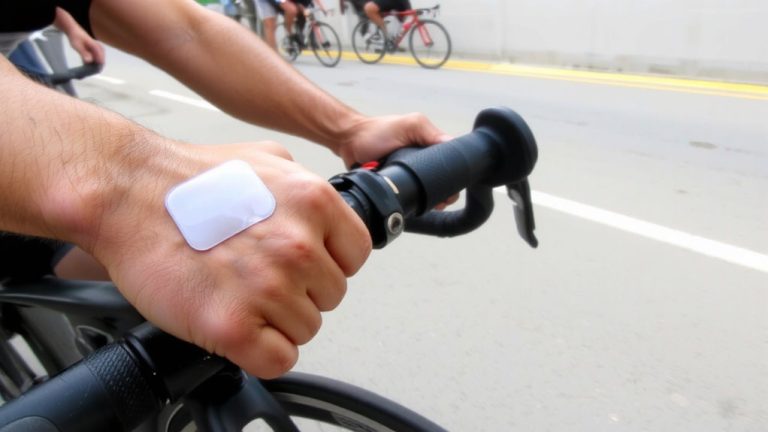
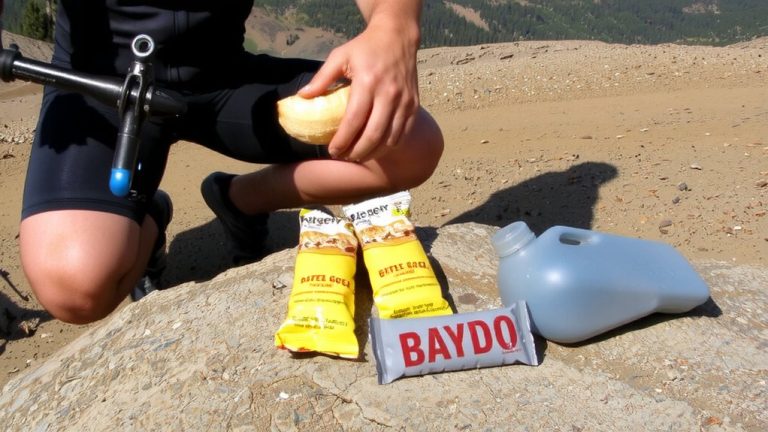
You should test new gels on low-stakes weekend loop rides to avoid race-day gut issues, since 30% of athletes get bloating or nausea from untested fuels. Use 90+ minute rides to mimic race demands, trying isotonic or maltodextrin options like GU or Carbs Fuel. Take your first gel at 60–90 minutes, then every 20–30 minutes with 8–16 oz water. Track energy onset, stomach comfort, and flavor residue-knowing what works means smarter fueling when it counts.
We are supported by our audience. When you purchase through links on our site, we may earn an affiliate commission, at no extra cost for you. Learn more. Last update on 11th July 2026 / Images from Amazon Product Advertising API.
Notable Insights
- Use low-stakes weekend rides to test new gels without performance pressure.
- Mimic race conditions with intensity and duration over 90 minutes.
- Take first gel at 60–90 minutes, then every 20–30 minutes after.
- Pair each gel with 8–16 oz of water to assess hydration and digestion.
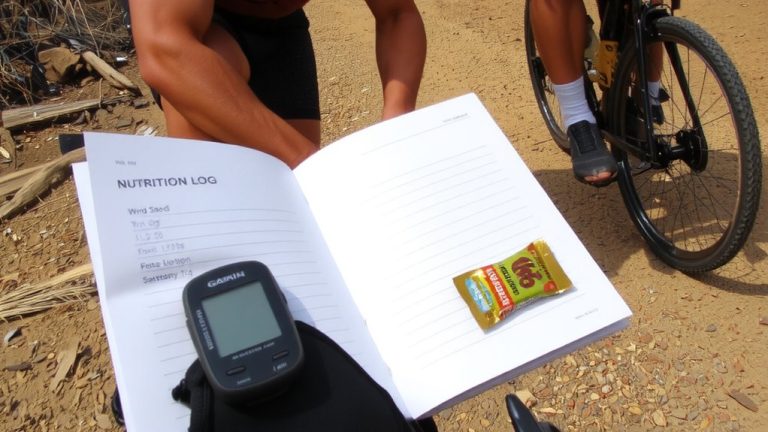
- Log energy onset, gut comfort, and flavor to evaluate gel suitability.
Why Test Energy Gels Before Race Day?
Why wait until race day to find out if that gel sitting in your pocket is going to fuel you-or floor you? Testing gels during training means you’re not gambling on your gut when it counts. You can consume on the move without worrying about nausea or bloating, common in up to 30% of athletes. Use long training sessions-90 minutes or more-to mimic blood sugar demands and see how your body handles 23g of fast-acting carbs per gel. Try different types: isotonic vs. traditional, maltodextrin vs. fruit-based, or even pairing with a drink mix to assess flavor and stomach tolerance. Real-world testing helps you nail timing-every 20–30 minutes-without GI distress. Brands like GU or Carbs Fuel vary in mouth feel and caffeine (30–100mg), which can crash you or upset your gut. Know what works so race day is smooth, predictable, and fast.
How to Mimic Race-Day Fueling on Training Rides
How do you make sure your fueling strategy holds up when the miles add up and the pace picks up? You need to take gels on training runs just like you would on race day. Start with your first energy gel 60–90 minutes in, then take gels every 20–30 minutes after, aiming for a 90–120g carb mix per hour. Use the same brand and flavor-like salted watermelon GU or Carbs Fuel’s 50g packets-so your gut adapts. Pair each gel with 8–16 oz of water, especially if the drink mixes aren’t isotonic. Test caffeinated gels during race-pace brick workouts to see how you handle the boost. Make sure you train under real conditions, so on race day, you know exactly what to expect. Your stomach, performance, and finish time will thank you.
What to Track When Trying a New Energy Gel
You’ve already dialed in your fueling routine by taking gels on long weekend rides just like you would on race day, using consistent brands and flavors to train your gut, but now it’s time to zero in on how each new gel actually performs when you pop it open. Take note of when you feel quick energy-usually 5–15 minutes-and track the Impact on 30 min energy sustainability. Monitor if the gel causes bloating or discomfort, and whether it requires a drink to go down smoothly. Most gels provide about 100 calories per packet, meant to be taken hourly. Assess flavor and residue, and log performance metrics like power or perceived effort. See if Energy levels stay steady over 60–90 minutes, and whether you avoid crashes. Real riders report fewer dips when gels provide balanced carbs without stomach issues.
What Mistakes Wreck Your Gel Trial?
Ever wonder what derails a gel trial just when you think you’ve found the perfect match? Taking a gel for the first time during a race is a fast track to gut trouble-your body needs min efforts on weekend loops to adapt. If you don’t mix it with enough fluid, especially with non-isotonic nutrition products, you’ll feel bloated and slow. Taking a caffeine-laced gel late, or without knowing your tolerance, can spike your heart rate even on easy spins. You’ve got to time intake every 20–30 minutes; otherwise, blood sugar swings hide how well the amount of carbs works. Don’t just take a gel-track it. Real food might tempt you mid-ride, but without consistent testing, you won’t know what’s hard enough to stick. Skip the notes, and you’ll repeat mistakes, never refining your ideal mix.
When to Lock In Your Race-Day Gel Plan
Once you’ve put in the weekend miles and dialed in what works, it’s time to lock in your race-day gel plan at least 2–3 months out, giving you enough cushion to confirm every detail under real riding conditions. You’ll want to confirm gel timing-like taking your first gel at 60–90 minutes and every 20–30 minutes after-during long, race-intensity efforts. If you started using Carbs Fuel packets (50g per serving) instead of GU (23g per gel), make sure they’re easier to take and digest on a 3-hour ride. Only really use what’s worked repeatedly in training. Stick to tried-and-true flavors and carb intake, around 60g per hour. In the final 4 weeks, avoid introducing new gels-your gut will thank you on race day.
On a final note
Test new gels on low-stakes weekend loops to avoid race-day surprises, using 100-calorie packets with 20–25g carbs like GU Roctane or Clif Bloks. Sip 4–6 oz water per gel to prevent stomach upset, and log energy spikes, digestion, and flavor fatigue. Most testers nailed their fueling by sticking to tried brands and timing intake every 45 minutes, matching real effort. Lock in your choice 2–3 weeks before race day.