Avoiding Bonking Mid-Ride Through Smart On-Bike Snacking Patterns
Start fueling within 30 minutes with 40g carbs-grab a gel or 16 oz Tailwind to prevent a 40% power drop. Aim for 60–90g carbs hourly using mixes of glucose, fructose, and maltodextrin from chews, bars, or drink mixes. Sip 16–32 oz fluids with electrolytes every hour, especially in heat. Avoid big mid-ride meals that spike insulin and steal blood flow from your legs. Watch for mood shifts or brain fog-early signs your tank’s low. Test your go-to snacks on long indoor rides using ROUVY to fine-tune timing and tolerance, so race day goes smooth.
We are supported by our audience. When you purchase through links on our site, we may earn an affiliate commission, at no extra cost for you. Learn more. Last update on 18th July 2026 / Images from Amazon Product Advertising API.
Notable Insights
- Start fueling within 30 minutes of your ride with 40g of carbs to delay fatigue and prevent glycogen depletion.
- Consume 60–90g of carbohydrates hourly using a mix of glucose, fructose, and maltodextrin for sustained energy.
- Sip 16–32 oz of fluid per hour with added electrolytes to maintain hydration and avoid gut distress.
- Eat small, frequent snacks every 15–20 minutes instead of large meals to stabilize blood sugar and digestion.
- Watch for early bonking signs like irritability or mental fog, and test fueling strategies on long indoor rides.
Stop Bonking: Fuel at 30 Minutes (Not Later)
One early gel or 16 ounces of a carb-rich drink within the first 30 minutes of your ride can make the difference between steady power and hitting the wall, so don’t wait for hunger to kick in. You need to fuel your body early-waiting too long drops power by 40% due to glycogen depletion. Start with 40 grams of carbs, like a GU Energy Gel or 16 oz of Tailwind, right at 30 minutes. This keeps energy steady and helps your muscles use carbs to keep going strong. Cyclists who do this report 25% less fatigue and sharper focus. Avoid Bonking by syncing intake with effort, not hunger. Your body can process 60–90 grams per hour, but only if you start early. Real riders testing on hilly trails and long road routes confirm: early fueling boosts endurance by up to 15%. It’s simple, proven, and built into every pro’s ride-don’t skip it.
Hourly Fueling: Carbs, Fluids, Electrolytes
While your legs power the pedals, it’s what you sip and eat every hour that keeps you going strong on long rides, so don’t wait for fatigue to kick in-start fueling early and keep it consistent. Aim for 60–90 grams of carbs per hour using a mix of glucose, fructose, and maltodextrin to match the fuel it needs without gut distress. Begin within 30–45 minutes, even if you’re not hungry. Wash it down with 16–32 ounces of fluid each hour, especially in heat, to aid digestion and maintain hydration and electrolytes. Include sodium, potassium, and magnesium to prevent cramps and support muscle function. Real testers using tailwind or GU brew in insulated bottles report smoother energy and better focus over 5+ hour efforts. Pair carb intake with steady sips, not chugging, and your body will keep humming-no bonking, just steady power.
Avoid the Feast-and-Crash Mid-Ride Trap
If you’re tempted to save your appetite for a big mid-ride meal, think again-wolfing down a loaded buffet lunch at mile 50 might feel rewarding, but it triggers a rapid insulin spike, followed by a blood sugar crash that leaves you drained by mile 90, even if you’ve eaten 800+ calories at once. Instead of waiting, fuel your body consistently with smart eating on the bike. Your muscles need 300–400 calories per hour, and digestion shifts blood flow from legs to gut after large meals, killing performance. Avoid the crash by starting early and staying steady.
| Time on Bike | Carbs (g) | Source Example |
|---|---|---|
| 0–60 min | 60 | Gel, banana, energy bar |
| 60–120 min | 75 | Chews, complex carbs mix |
| 120–180 min | 90 | Drink mix, oat-based bar |
| 180–240 min | 75 | Rice cake, honey packet |
Prioritize complex carbs and sip every 15–20 minutes to keep energy steady and avoid the feast-and-crash trap.
Recognize Bonking Before It Wrecks Your Ride
Since your brain relies on steady glucose just as much as your legs, you might notice your mood shifting before your quads start to scream-think sudden giggles, irritability, or a wave of sadness around the two-hour mark, especially if you skipped fueling early. That’s the first whisper of bonking, triggered when your glycogen stores dip too low. You may feel mentally foggy, make poor route choices, or laugh uncontrollably at nothing-signs your brain is starving. Ignore them, and within 30–60 minutes, sudden fatigue hits hard: legs turn to lead, cadence collapses, and even spinning feels impossible. Testers on long endurance rides report this crash often hits around mile 60 if carbs weren’t topped up every 30–45 minutes. Recognizing bonking early-before total weakness sets in-gives you time to grab a gel, energy bar, or drink, and save your ride.
Test Fueling Now, Not on Race Day
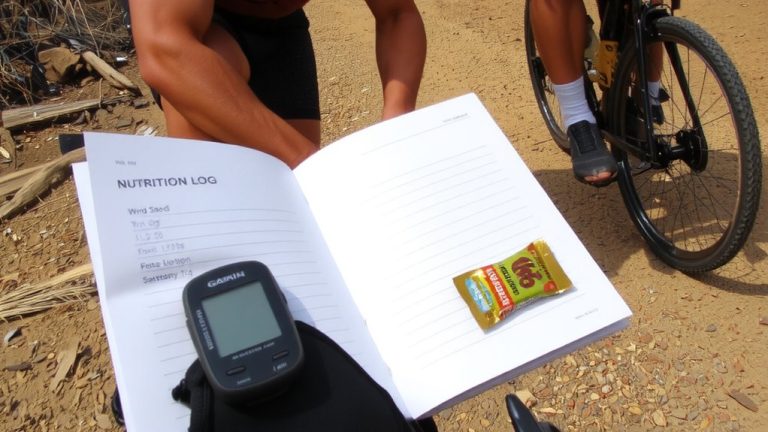
You felt the mood shift, the fog creeping in, and the sudden heaviness in your legs-now you know the early signs of bonking when your glycogen runs low. That’s why you need to test fueling now, not on race day. Start at the 30-minute mark on indoor rides over 75 minutes, hitting 60–90 grams of carbs per hour using sports drink, gels, chews, or real food. Use platforms like ROUVY to simulate race efforts while tracking digestion and energy. Try the same bar, drink mix, or gel in at least 3–5 long sessions to rule out stomach issues. Log everything: carb sources, timing, performance dips. You’ll learn what your gut can handle, whether it’s a maltodextrin-based sports drink or a date-filled energy bar. Avoid surprises-refine your snacking pattern now so race day goes smoothly.
On a final note
You’ll ride stronger when you start fueling at 30 minutes with 30–60g of carbs per hour, sipping 16–24 oz of electrolyte mix like Skratch Labs or Tailwind. Avoid sugar-heavy gels that spike then drop energy. Carry food in accessible jersey pockets or a lightweight pack like the Salomon Agile 5, and practice your intake on training rides-especially on long climbs or dusty trails. Test brands, timing, and textures now, so race day goes smooth and you stay sharp to the finish line.