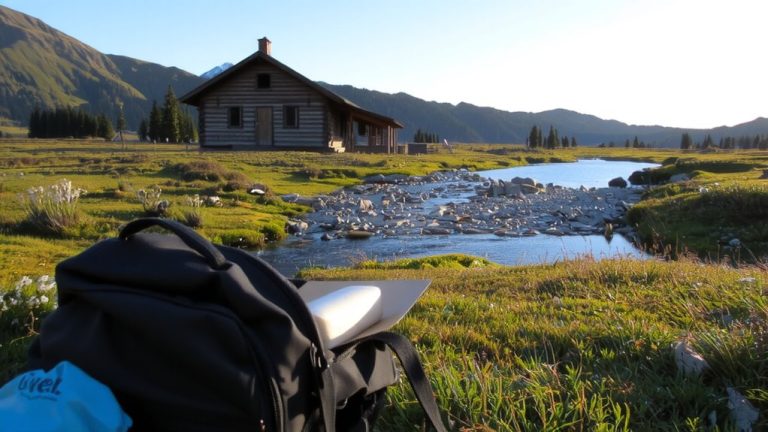
Practicing Stealth Camping Techniques Near Popular Trailheads
You can stealth camp near popular trailheads by slipping off-trail at least 40 yards, using a low-profile 6-foot hex tarp in olive drab or grey, setting up after dark with a red-light headlamp, and packing out by 5:30 AM. Stay on flat, wooded terrain 200 feet from trails and water, avoid camo patterns, and use non-reflective guylines-many spots on apps like Guthook are illegal, but responsible practices on U.S. Forest Service land often go unnoticed.
We are supported by our audience. When you purchase through links on our site, we may earn an affiliate commission, at no extra cost for you. Learn more. Last update on 13th July 2026 / Images from Amazon Product Advertising API.
Notable Insights
- Stealth camp at least 200 feet from trails and water sources on permitted U.S. Forest Service land to stay legal and reduce impact.
- Choose hidden spots with dense tree cover and flat terrain, avoiding open areas like meadows or ridgelines.
- Set up camp after full darkness using a dim red light to remain undetected by hikers and rangers.
- Pack out before sunrise, ideally by 5:30 AM, to avoid morning trail traffic and dew disturbance.
- Use low-profile shelters in muted colors and non-reflective gear to minimize visual detection.
What Is Stealth Camping Near Trailheads?
While you’re trying to dodge crowds or avoid paying fees, stealth camping near popular trailheads means slipping off the main path and setting up camp just out of sight, typically within 40 yards of the trail, where a discreet site won’t draw attention. You’ll seek flat, hidden camping spots near old mining roads or use terrain like tree lines and hillsides for cover, especially near busy zones like the Appalachian Trail. On US Forest Service lands in Virginia or North Carolina, this low-impact practice is tolerated if you follow Leave No Trace: pack out waste, avoid fire rings, and leave no trace by dawn. Set up just before dark, use a lightweight tarp tent, and break camp before 8:30 AM to stay under the radar. Your success depends on silence, minimal gear glow, and smart site selection-keeping your footprint small, quiet, and invisible to others.
Is Stealth Camping Legal Near Trailheads?
So, is stealth camping near trailheads actually legal? Usually not-it’s often illegal on federal or state park land like the Appalachian or Pacific Crest Trail, where you must camp in designated sites only. Even if you’re 200 feet away from a trail, camping near trailheads in high-visibility zones increases your chance of getting caught, especially with frequent patrols. On U.S. Forest Service land, dispersed camping may be allowed, but you still need to camp at least 200 feet away from trails and water, and verify rules per ranger district. GPS apps like Guthook highlight stealth camping spots, but over 60% are on prohibited land. Always check local regulations before you camp near sensitive areas.
| Rule | Consequence |
|---|---|
| Camp within 40 yards of trailhead | Likely illegal, high detection risk |
| Use designated sites | Legal, low impact, permitted |
| Camp 200 feet away on allowed land | Often legal, follows Leave No Trace |
Pick Hidden, Flat Spots Away From Trails
If you’re looking to stay under the radar and minimize your impact, setting up camp at least 40 yards-about 120 feet-from any trail markedly reduces your chances of being seen by passing hikers or patrols, especially in high-use areas like trailheads or ridge crossings. For true stealth, aim for spots least 200 feet away, where you’re far away from common places to rest or social hubs like viewpoints. When camping, pick flat terrain-like a hill’s shoulder-to keep your shelter stable and reduce ground disturbance. Avoid open meadows, ridgelines, or shorelines; these areas draw people and increase visibility. Instead, choose spots with thick tree coverage, which offer natural concealment and help retain body heat at night. Always use durable surfaces like packed soil or rock, never altering the land by digging or moving stones-this keeps your impact low and follows Leave No Trace.
Set Up Late, Pack Out Before Sunrise
Once you’ve picked a hidden, flat spot well off the trail-200 feet or more from any footpath or viewpoint-your timing becomes just as important as your location. Set up late, after full darkness, to avoid notice and reduce the chance of being seen by late-day hikers or rangers. Use a dim red light to maintain night vision and stay discreet while assembling your shelter and gear. This stealth approach keeps your presence low-key and blending into the environment. Pack out before sunrise-ideally by 5:30 AM-to beat morning trail traffic and avoid detection near trailheads. Leaving early means you won’t be spotted by arriving hikers, and it supports Leave No Trace by minimizing visible impact. You’ll avoid trampling dew-heavy ground, reducing track visibility. Stealth isn’t just gear or spot-it’s timing, discipline, and respect for the wild.
Use Non-Tactical Gear That Blends In
A well-hidden camp starts with gear that disappears into the landscape, not stands out from it. For wild camping, stealth campers know the importance of using muted colors-opt for grey or OD green shelters instead of bright or white ones that catch the eye. Avoid black tents; they create sharp silhouettes at dawn or dusk, especially during the low-light hours you’re most exposed. Skip camouflage patterns-they can look tactical and draw suspicion. Instead, wear solid brown pants and OD green tops. Use a 6-foot-wide camo tarp, not bulky shelters, to reduce visibility. Choose non-reflective guylines and strip or cover reflective logos on your backpack, sleeping bag, or cookware to prevent glints from passing headlamps. On any backpacking trip, the right gear helps you blend in naturally, no matter the amount of time you’re out there.
Leave No Trace: How to Vanish Without a Trace
While nature offers the perfect backdrop for a stealth camp, staying unseen means more than just picking the right spot-it demands leaving zero evidence you were ever there. To truly leave no trace, camp at least 40 yards off-trail and 200 feet from water sources to minimize visibility and reduce environmental impact. Use a low-profile shelter like a bivvy bag or grey/OD green tarp under tree cover to avoid detection. Cook meals on the move or away from your sleep spot using an alcohol or Esbit stove-no fires, ever, to prevent soil damage and smoke signals. Pack out all trash, including food scraps, with odor-proof bags. Before 8:30 AM, erase all signs: smooth the ground, scatter displaced debris, and hide any indentations. You’re not just packing up-you’re vanishing.
On a final note
You’ve got this: pick a flat, hidden spot at least 200 feet from the trail, arrive after dark using a red-lens headlamp, and pack out before sunrise. Use a low-profile shelter like a tarptent, wear muted colors, and stash gear in odor-proof sacks. Testers swear by the 30-degree down sleeping bag and ultralight pad-quiet, compact, warm. Leave zero trace, blend in, stay legal, stay safe.