Preventing Rust Inside Steel Bolt Threads With Anti-Seize Compound
You prevent rust inside steel bolt threads by applying a thin, even layer of anti-seize-like Permatex Silver or LIQUI MOLY LM 508-that blocks moisture and oxygen, while filling micro-gaps with oils and metallic particles, especially useful in salty, muddy trail conditions, and when joining dissimilar metals, just remember to reduce torque by 20–30% and avoid sensitive areas like spark plugs, and you’ll keep threads protected and trouble-free season after season.
We are supported by our audience. When you purchase through links on our site, we may earn an affiliate commission, at no extra cost for you. Learn more. Last update on 18th July 2026 / Images from Amazon Product Advertising API.
Notable Insights
- Anti-seize forms a protective barrier that blocks moisture and oxygen to prevent rust in steel bolt threads.
- It fills microscopic thread gaps with lubricating oils and metallic particles, reducing corrosion risk.
- Use silver or copper anti-seize on steel bolts, ensuring compatibility with mating materials to avoid galvanic corrosion.
- Apply a thin, even layer only to the threaded section to ensure proper coverage without excess.
- Reduce torque by 20%–30% when using anti-seize to prevent thread damage while maintaining clamping force.
How Anti-Seize Prevents Rust in Bolt Threads
While you’re tightening steel bolts in harsh conditions, using anti-seize can make a real difference in preventing rust down the line. The anti seize compound forms a protective barrier, blocking moisture and oxygen to stop corrosion before it starts. It fills microscopic thread gaps with lubricating oils and metallic particles-like copper or nickel-sealing out water and reducing galvanic corrosion, especially in dissimilar metal joints. Because it lubricates, you need up to 30% less torque, which means fewer sheared bolts and less thread damage that exposes bare steel. That’s critical when securing suspension components or frame fasteners exposed to trail mud, road salt, or wet gear. Preventing corrosion isn’t just about longevity-it’s about reliability when you’re miles from help. Testers reported zero rust after 18 months on ECHO and transmission crossmember bolts treated with Cor-Ban 27L, proving its worth in real-world conditions.
Choose the Right Anti-Seize for Your Use Case
You’ve seen how anti-seize keeps steel bolt threads from rusting, even under heavy trail muck or winter road salt, and now it’s time to pick the right one for your specific setup. For general use, silver anti-seize like Permatex works well, stable up to 1600°F and offering solid lubricating properties. But if you’re working near exhaust systems or grounding points, go with copper anti-seize, such as LIQUI MOLY LM 508-it handles temps up to 2012°F and conducts electricity better. Use anti-seize with care on stainless or aluminum; avoid copper anti products there, since they can spark corrosion. Instead, choose nickel-based formulas to prevent galling and avoid contamination. For steel bolts in aluminum frames or racks, copper or nickel anti-seize is ideal, stopping galvanic corrosion and thread seizure. Always match your compound to the metal and heat levels you’ll face.
When and Where to Apply Anti-Seize on Bolts
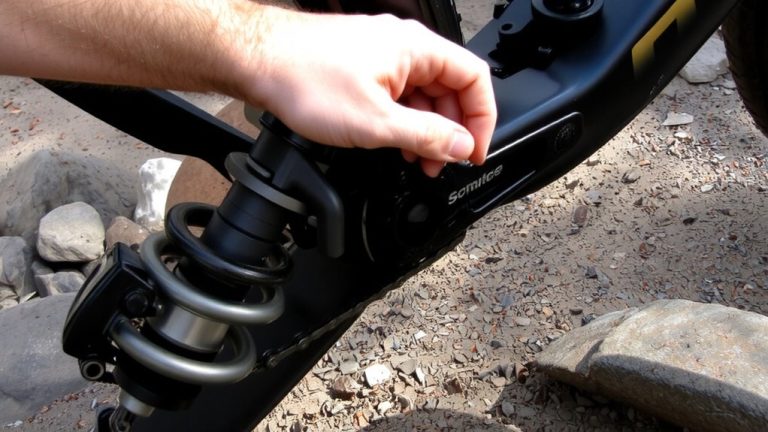
Where should you actually apply anti-seize on a bolt? Use anti-seize on exposed threads facing harsh conditions-like suspension fasteners on mountain bikes or steel bolts securing aluminum bike frames-to guarantee reliable corrosion protection. It’s perfect when joining dissimilar metals, preventing galvanic corrosion that weakens joints over time. Apply anti-seize to high-heat zones too, such as exhaust manifolds near 1600°F, where regular grease would burn off. Always coat only the threaded section engaging the nut or housing; avoid external surfaces to prevent contamination. This targeted use keeps threads lubricated during assembly and shields them long-term. Remember, anti-seize isn’t for everything-skip it on spark plugs, lug nuts, or damaged threads where safety could be compromised. Properly applied, anti-seize guards against rust, guarantees easier disassembly later, and extends the life of critical fasteners on your gear.
Apply Anti-Seize Sparingly to Avoid Damage
Since anti-seize works best when applied with precision, you’ll want to use just enough to coat the threads in a thin, even layer-think the thickness of a sheet of paper-using a small acid brush for control. Too much anti-seize leads to excessive buildup, which traps dirt and causes thread contamination, making future removal harder. You should only coat the bolt threads and under-head surface, avoiding exposed areas and critical friction zones like lug nuts. Any visible excess after assembly should be wiped off immediately to prevent debris attraction and maintain integrity. Over-applying doesn’t boost corrosion protection-it’s wasteful and risky. Real-world testing shows minimal, targeted anti-seize coverage performs just as well as thick coats, without the downsides. For trail bike maintenance or backpacking gear repairs, precision matters. A controlled layer guarantees reliable performance, avoids contamination, and keeps your fasteners working smoothly season after season.
Reduce Torque for Lubricated Fasteners
Applying anti-seize the right way means more than just getting a thin, even coat on the threads-it also means adjusting how tight you go when wrenching things down. Since anti-seize acts as a lubricant, you need to reduce torque for lubricated fasteners by 20% to 30% to avoid over-tightening. For example, if the original torque value calls for 100Nm, you should only apply about 80Nm. This drop prevents stripped threads or stretched bolts, especially on critical parts like bike cranksets or trailer hitches. The required torque varies by fastener material and anti-seize type-Permatex Silver and LIQUI MOLY LM 508 both need adjustments. Even large bolts aren’t fully immune, so always consult specs. Skipping this step risks failure, no matter how good the compound. Reducing torque values keeps preload accurate and your gear safe.
On a final note
You’ll keep bolt threads rust-free and reliable by using anti-seize correctly, choosing nickel-based for steel or copper-free for stainless, applying a dime-sized amount on threads only, and reducing torque by 10–15% to avoid over-tightening, all while ensuring long-term performance across wet trails, backpacking trips, or rugged cycling adventures where gear durability matters most.