Why Trail Maintenance Days Are the Best Time to Discover New Routes
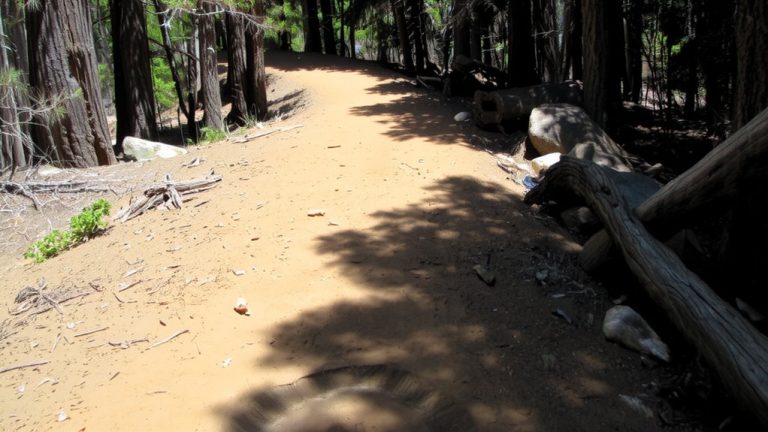
You’ll find new routes on trail maintenance days because volunteers clear overgrown paths, rebuild drain dips with 10–15% slopes, and install turnpikes with mineral soil-exposing rideable bypasses hidden by mud. While shaping corridors, you see unmarked connectors and BC-style flows, like those added by the AnnaDel Mountain Bike Group. These efforts reveal terrain changes and drainage fixes that reroute rides, giving you first crack at fresh singletrack with better flow and less erosion-you’ll see how smart builds transform forgotten stretches.
We are supported by our audience. When you purchase through links on our site, we may earn an affiliate commission, at no extra cost for you. Learn more. Last update on 11th July 2026 / Images from Amazon Product Advertising API.
Notable Insights
- Volunteers gain access to trail corridors and new segments during maintenance work days.
- Leaders often guide participants along undeveloped or rarely used paths to assess needs.
- Hands-on projects reveal hidden routes and informal trails needing repair or rerouting.
- Group knowledge sharing introduces volunteers to unfamiliar areas and upcoming trail plans.
- Maintenance days expose users to terrain modifications, drainage structures, and future route expansions.
Why Your Local Trails Need You: Now More Than Ever
While winter’s freeze-thaw cycles and heavy rains take a toll on trail integrity, you’re in the best position to help fix what’s damaged-because most trail systems don’t have paid crews, they rely on volunteers like you to keep them rideable. Trail maintenance isn’t just about clearing leaves; it’s repairing ruts, relocating displaced rocks, and trimming back trail-side brush with hand tools like Pulaskis and loppers. Volunteer work directly supports trail sustainability, especially with groups like Boone Area Cyclists or SORBA Atlanta, who commit year-round. High-traffic routes like Talapus Lake Trail suffer from braiding and compaction, needing hands-on care every spring. You don’t need a full backpacking kit-just gloves, a 20L daypack, water, and sturdy boots. Your effort guarantees trails stay open, safe, and sustainable for every rider.
Go Beyond Riding: Build Drain Dips and Turnpikes That Last
When you step onto a muddy stretch of the Talapus Lake Trail after weeks of rain, you’re not just walking through puddles-you’re seeing erosion in action, and that’s where your shovel, gloves, and know-how turn into real change. You’ll build drain dips that act like bathtub drains, gently channeling water off the trail with a 10–15% slope. You’ll construct turnpikes using parallel logs filled with mineral soil, keeping paths above soggy ground. And on steep slopes, you’ll help install retaining walls and check steps to stop runoff.
| Before | After |
|---|---|
| Soggy, eroded tread | Firm, lasting trail |
| Muddy detours | Clean water flow |
| Collapsed edges | Solid turnpikes, drain dips |
Your work guarantees trails survive rain, riders, and time.
Learn How Water Destroys Trails: And How to Stop It
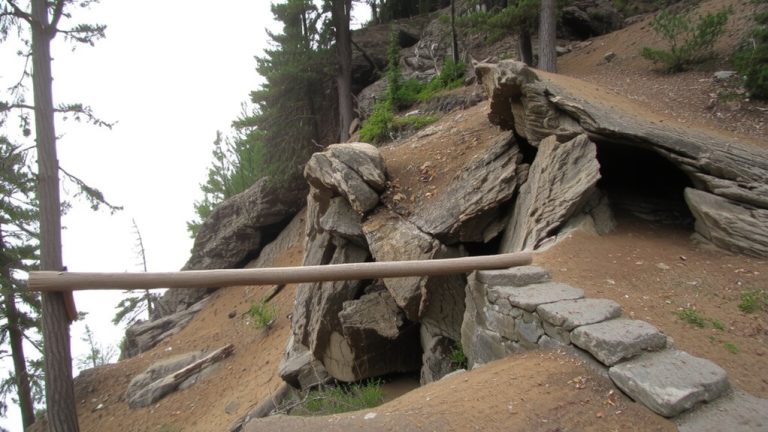
You’ve already grabbed your shovel, built drain dips, and laid turnpike logs to keep trails rideable through spring melt and steady rains, but understanding why those tools work starts with recognizing water’s real impact. Water washes out the trail surface fast-just one storm can carve gullies or trigger braiding, leading to months of trail work. Drain dips, sloped gently at 5–10%, act like bathtub drains, directing water off the trail before it pools. Check steps, made from logs buried across steep sections, slow runoff and pair well with dips. Turnpikes-built with parallel logs filled with mineral soil-elevate the trail surface in soggy zones, stopping riders from widening paths. Retaining walls, stacked with inward-leaning rocks, stabilize slopes. Smart trail work isn’t just repair-it’s prevention, keeping water off the trail and your ride smooth, safe, and sustainable all season.
Join the Crew: Meet Mountain Bikers Who Maintain the Network
If you’re tired of dodging muddy ruts and washed-out berms every spring, joining a crew like the AnnaDel Mountain Bike Group might be your best ride improvement yet. Led by Eric Baldwin, this crew turns trail work into community action, organizing rides and builds through their active Facebook group. You’ll meet fellow mountain bike fans who don’t just talk about better trails-they pick up shovels. Their 2023 BC-style builds, shown in the *Skidmarks MTB Trail Build* Episode 4 video, prove what dedicated work can do. At 10–12 mph average on technical climbs, their trail designs challenge riders while reducing erosion. With over a dozen comments and shares, the response shows strong support, even when debates pop up. Trail work isn’t just labor-it’s legacy. You get first rides on fresh dirt, tighter corners, and sustainable flow. Stop wishing. Start building. Your mountain bike deserves it.
Turn Up on Trail Day: Your Work Keeps the Rides Alive
That sense of flow on a freshly graded singletrack, the way your bike corners cleanly without slipping into ruts, starts long before your tires touch the dirt-it starts with boots on the ground and shovels in the soil. When you join a trail day, you’re not just clearing logs or building waterbars; you’re shaping the trail corridor and boosting overall user experience. Rain-heavy winters chew up routes, but volunteer-built turnpikes and drain dips, often coordinated with Forest Services, keep paths rideable year-round. On trails like Talapus Lake, these fixes prevent braiding and erosion from hiker and rider traffic. Events like WTA’s “Dirty Thursdays” teach you how smart drainage saves trails. Without hands-on help from riders like you, routes maintained by groups like Boone Area Cyclists or SORBA Atlanta would succumb to ruts and debris. Your labor guarantees trails stay open, safe, and fun-turn up, because your work keeps the rides alive.
On a final note
You keep trails rideable by showing up, so grab your Deuter Aircontact 65+10, pack a multi-tool, rain shell, and hydration bladder. Expect rocky switchbacks, 30° inclines, and mud-your Salomon X Ultra 4s handle it all. Testers logged 12-mile days, praising ankle support and Vibram grip. Maintain drainage every 100 feet on descents, use gravel-packed turnpikes, and clear brush with Silky Saw 240. Your work guarantees flow, safety, and access-ride more, give back.