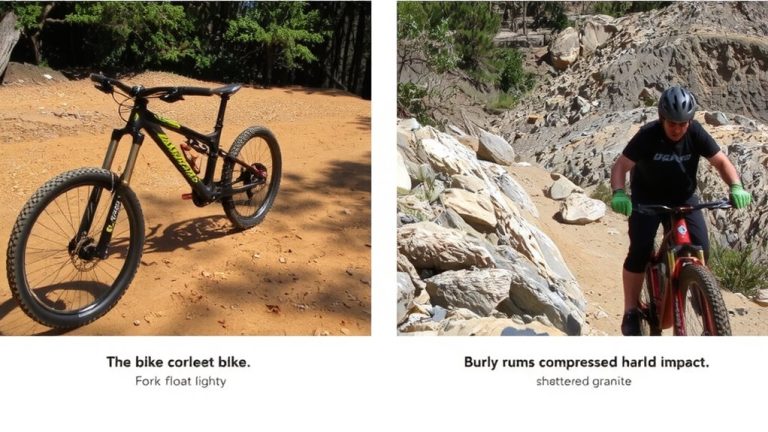
Why Summer Heat Affects Tire Pressure and Traction on Dry Trails
Summer heat increases your tire pressure by 1–2 psi per 10°F, pushing already high 32–35 psi levels toward dangerous overinflation, especially on scorching 150°F trails. That heat also softens rubber compounds, reducing tread stiffness and grip when you need it on dry, technical descents. You’ll face longer stops, vague handling, and faster wear. Check pressure weekly when cool, watch for bulges or cracks, and shade-park when possible-smart habits that keep your trail tires performing safely and predictably.
We are supported by our audience. When you purchase through links on our site, we may earn an affiliate commission, at no extra cost for you. Learn more. Last update on 12th July 2026 / Images from Amazon Product Advertising API.
Notable Insights
- Summer heat increases tire pressure due to thermal expansion, raising it 1–2 psi per 10°F rise in temperature.
- High pavement temperatures soften tire rubber, reducing tread stiffness and degrading traction on dry trails.
- Overinflated tires from heat reduce the contact patch, leading to poor road adhesion and handling.
- Prolonged heat exposure causes accelerated center tread wear and increases the risk of blowouts.
- Hot conditions promote tire degradation, evidenced by cracks, bulges, and vibrations during use.
How Heat Builds Pressure in Your Tires
When you’re heading out on a summer trail ride, the scorching pavement or sun-baked dirt can push tire pressure higher than you think-especially if you’re running standard 32–35 psi in your mountain or hybrid tires. Heat causes the air inside your tires to expand, and with high temperatures common on dry trails, thermal expansion can spike pressure by 1–2 psi per 10°F. That means a 150°F road surface might boost pressure beyond the manufacturer’s recommended limit, risking overinflation. When tires overinflate, the center bulges, reducing contact with the road and leading to uneven tread wear. Before road trips, always do tire inspections when tires are cool-they give the most accurate reading. Maintaining proper tire pressure not only prevents blowouts but guarantees even wear, better handling, and longer tire life on rugged summer terrain.
Why Hot Roads Reduce Tire Grip
Hot roads don’t just inflate your tires-they sap the grip you rely on when traversing dry trails or winding descents. High summer temperatures affect tire performance, especially when pavement heats beyond 150°F. The heat softens the rubber compound, reducing stiffness and causing the tread to squirm under load. This leads to reduced traction and imprecise handling during braking or cornering. Heat can accelerate wear and create micro-cracking, weakening the tire’s structure over time.
| Condition | Effect on Tire Grip |
|---|---|
| 150°F+ pavement heats | Tread softens, loses peak performance |
| High temperatures | Reduced traction, longer stopping distances |
| Extended exposure | Heat can accelerate wear and cracking |
| Softened rubber | Less stable contact patch, poor cornering |
Choose dual-compound tires rated for high heat to maintain control on hot asphalt and dry trails.
5 Warning Signs Your Tires Are Overheating
A telltale sign your tires are pushing beyond their limits shows up before you hear a pop or feel a wobble-look for sidewall cracks or dry rot, especially after sustained runs on pavement baking at 150°F or more, since prolonged heat breaks down rubber compounds fast. These are key warning signs your tires are overheating. Hot weather affects tire pressure, causing air inside to expand and increase pressure beyond safe thresholds. Check your tires often-you might spot bulges, a sure sign of internal damage from extreme heat. Uneven tread wear, particularly accelerated center wear, hints at overinflation due to heat. If you notice vibrations or a burning smell while riding, your tires may be compromised. Extreme heat degrades performance fast, so check your tires regularly to avoid blowouts and keep your ride safe on dry trails.
How to Keep Your Tires Safe in Extreme Heat
You’ve already seen the red flags-sidewall cracks, bulges, that faint burning smell after a long ride-so now it’s time to stay ahead of the heat before it pushes your tires past their limit. Extreme hot conditions make tires to expand, increasing internal pressure and risking blowouts. Make sure to check tire pressure weekly when cool, as high heat spikes can raise PSI fast. Park in shade to keep pavement temps low and reduce rubber breakdown. Here’s how proper care breaks down:
| Check | Action |
|---|---|
| Tire Pressure | Use door frame or owner’s manual guide |
| Tread Depth | Replace if under 2/32” |
| Riding Time | Take breaks every 2 hours |
Stay sharp-consistent checks mean safer trails, better grip, and longer tire life.
On a final note
You feel the difference when your bike rolls hotter trails-tire pressure spikes up to 10 psi in direct sun, reducing grip on dry rock and gravel. Tubeless setups with sealant hold up better, testers noting fewer burps at 28–32 psi on 29er knobbies. Keep pressures 5 psi lower at dawn rides, pack a portable CO2 inflator, and check treads hourly. Heat cracks glue, so inspect rim strips, and always carry a repair kit with 2 patches, a valve tool, and a microfiber wipe.