What to Do If Your Dog Gets Injured While Riding With You
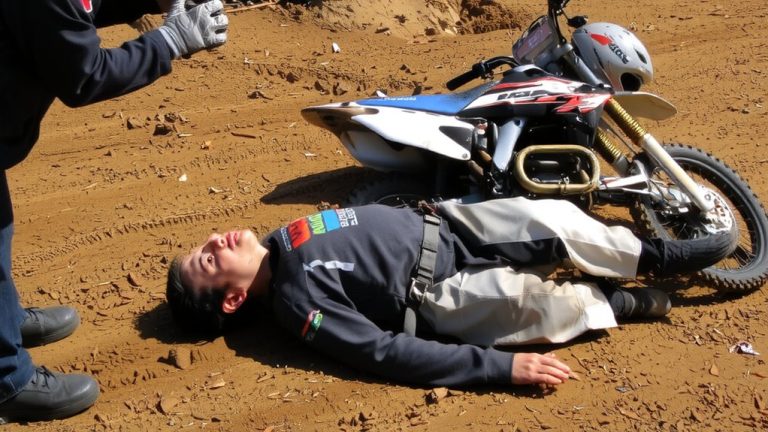
Stay calm and act fast if your dog gets hurt while riding with you. Don’t move them unless necessary. Check for cuts, swelling, or rapid breathing using a flashlight, avoid adjusting limbs. Use a rigid board or backpack frame as a stretcher, secure them in the car with a lightweight emergency blanket. Call your vet immediately-report pale gums, whining, or limping. Early call means faster care, over 80% survival with prompt treatment. They’ll prep for your arrival and guide next steps, so you know exactly what comes after.
We are supported by our audience. When you purchase through links on our site, we may earn an affiliate commission, at no extra cost for you. Learn more. Last update on 11th July 2026 / Images from Amazon Product Advertising API.
Notable Insights
- Stay calm, keep your dog still, and avoid moving them unless absolutely necessary to prevent further injury.
- Inspect for visible injuries like cuts, swelling, or fractures without adjusting limbs or applying splints.
- Call an emergency vet immediately, describe the accident, and report symptoms like pale gums or labored breathing.
- Use a rigid board, carrier, or blanket as a stretcher and secure your dog during transport to the clinic.
- Collect evidence such as photos of injuries, vehicle damage, and driver information for insurance claims, especially in Illinois.
What to Do Immediately If Your Dog Is Hit by a Car
If your dog gets hit by a car while you’re out biking or trail riding, staying calm and acting quickly can make all the difference-over 80% of dogs survive when they get immediate vet care, so your response time matters more than you think. Your first steps to take: don’t move your dog unless absolutely necessary, since sudden movement can worsen internal injuries like bleeding or spinal damage. While someone stays with your dog, call an emergency vet to alert them you’re coming; this prepares the clinic and saves critical minutes. Use a rigid board, backpack frame, or blanket as a makeshift stretcher to limit motion. Even with protective dog vests or trail gear, a dog Hit By a Car needs expert evaluation. Immediate transport to an emergency vet boosts survival, especially when you’ve already called ahead-every second counts in trauma cases involving internal injuries.
Check for Injuries Without Moving Your Dog
Now that your dog is stabilized and you’ve called the vet, the next step is to check for injuries without moving them. Carefully inspect from head to toe for visible injuries like cuts, swelling, or fractures, but don’t adjust limbs or use makeshift splints-this could worsen internal bleeding or spinal damage. Watch for rapid breathing, pale gums, or whining, all signs of trauma even without external wounds. Use a flashlight to look for blood in the mouth, ears, or nostrils, which may signal internal injuries. Keep your dog calm and still with a lightweight emergency blanket. Avoid shifting their position until transport on a rigid surface, like a pet stretcher or board, is ready. Reducing movement now can prevent costly vet bills later.
| Sign | What It Could Mean |
|---|---|
| Rapid breathing | Shock or internal injuries |
| Pale gums | Poor circulation or bleeding |
| Limping | Fracture or joint damage |
| Whining | Pain or internal discomfort |
| Blood in ears | Head trauma or internal bleeding |
Call the Emergency Vet Before Transporting
Once you’ve stabilized your dog and done a careful visual check, calling the emergency vet right away gives you the clearest next step and could make all the difference in their recovery, especially after a high-speed bike crash or a fall from a trail. Call the emergency vet to describe the incident-whether it involved a motor vehicle or trail accident-and note symptoms like limping or pale gums. This helps the emergency veterinarian determine the best course of action for injured dogs. Over 80% of dogs survive car collisions with prompt care, so early communication is critical. Letting the clinic know ahead of time guarantees they’re prepping staff, equipment, and treatment space. Never give meds or splint limbs without guidance-always call the emergency vet first. Clear details help them advise you accurately, keeping your pet as safe as possible before transport.
Get Your Dog to the Vet Safely and Fast
After calling the emergency vet and getting their guidance, your next move is to get your dog to the clinic quickly and safely-without risking further injury. Use a sturdy carrier, rigid board, or blanket as a makeshift stretcher to immobilize your dog during transport. Secure them inside the car to prevent shifting, especially around turns or sudden stops. Even if your dog seems fine, internal injuries can be hidden, so prompt vet evaluation is essential. Over 80% of dogs survive car collisions when they receive fast emergency care, making timely transport a lifesaver. Call the vet en route to update them on your dog’s condition. Never give meds or attempt to splint fractures yourself-wait for professional instructions. Keeping your dog still, warm, and calm in the car increases their chances markedly. Safe, swift action gets your dog the help they need, fast.
Document the Accident Scene for Insurance
Your dog’s safety doesn’t end at the vet’s door-securing a strong insurance claim starts with solid proof from the accident scene. You need to document the accident scene thoroughly: snap photos of vehicle damage, your dog’s injuries, skid marks, and traffic signs. These images help prove property damage and support your auto insurance claim. Write down the other driver’s name, license plate, insurance info, and contact details. Don’t skip gathering witness names and phone numbers-third-party statements add weight to your case. Clear photos of your dog’s trauma can back up reimbursement requests. In Illinois, the at-fault driver’s insurance may cover up to $2,000 in vet bills, but only with solid evidence. When you’re ready, contact us today for a free consultation. We’ll help you navigate the process and maximize your claim.
Claim Reimbursement for Vet Bills From Car Insurance
You’re not alone if you’ve ever worried about covering vet bills after a car accident involving your dog-many policies do offer coverage, and knowing how to tap into it can save you both stress and money. If your dog was hurt in a crash caused by another driver, their insurance may help provide reimbursement through property damage claims, since pets are legally considered property. Make sure to file promptly and include all medical records. While Personal Injury Law typically covers people, a Car Accident Lawyer can help provide guidance specific to your case, especially when maneuvering liability and compensation limits. Some auto policies cover up to $2,000 per incident, but if you were at fault, check your renter’s or homeowner’s insurance. Firms like Amara & Associates can help manage claims efficiently, so you’re not stuck paying out of pocket.
Use an Accident Lien to Avoid Upfront Vet Costs
A vet bill shouldn’t stand in the way of your dog getting emergency care after a car accident, especially when treatment can’t wait and savings are tight. If your dog has serious injuries, you need to be aware that some vets offer accident liens so you don’t pay upfront. The clinic places a lien on your property damage claim, meaning they get paid once your insurance settles. You won’t face out-of-pocket costs, even if surgery or hospitalization is needed. These liens often cover $10,000 or more in emergency care. Let us help you navigate this-you don’t need to go it alone. At Amara & Associates, we understand how to link veterinary costs to your claim and guarantee you’re not stuck. We work directly with providers so your dog gets care fast. You’ll be informed every step-we guarantee it.
On a final note
Stay calm and act fast: secure your dog without sudden movement, call the vet ahead, then transport safely using a firm carrier or board. Always carry a dog first-aid kit on rides, use a crash-tested harness like the Sleepy Pod Mobile Rescue, and stick to wide, low-traffic trails. After an accident, document everything and file with your car insurance-many cover vet bills under personal injury protection, up to $10,000.