What Mountain Bikers Should Know About Trail Closures During Fire Bans
During fire bans, trails shut fast-even after rain-because bike brakes, tires, or e-bike motors can spark wildfires in dry conditions. Red Flag Warnings mean immediate closures, so check fs.fed.us or oregon.gov/odf for real-time updates before you roll. Never ignore closure signs; fines are steep, and one spark can ignite grass at 400°F in seconds. Pack out all trash, skip smoking, and use offline trail apps like Gaia for reroutes-your choices keep trails open. There’s more to riding responsibly when the heat rises.
We are supported by our audience. When you purchase through links on our site, we may earn an affiliate commission, at no extra cost for you. Learn more. Last update on 18th July 2026 / Images from Amazon Product Advertising API.
Notable Insights
- Fire bans often close trails to mountain biking due to spark risks from brakes and equipment.
- Even after rain, trails may stay closed if deep vegetation remains dry and flammable.
- Check official sources like fs.fed.us or local forestry sites before riding during fire season.
- E-bikes and smoking while riding are banned on non-motorized trails during fire restrictions.
- Ignoring closures risks fines, wildfires, and long-term loss of trail access.
Why Fire Bans Close Bike Trails
While fire danger might not seem like an immediate concern when you’re geared up for a ride, trail closures during fire bans are a critical safety measure, especially in regions like the Pacific Crest Trail corridor or national forests where Red Flag Warnings are common. During fire bans, the Forest Service enacts temporary trail closures to reduce ignition risks-your mountain bike’s tire friction or brake sparks can ignite dry vegetation, even if it rained recently. Trails open to hiking may shut to bikes, too, since all human activity increases risk. Always Yield to closures, no matter how clear the trail looks. Obey all bicycle speed rules and avoid riding in restricted zones. Carry necessary supplies and prepare accordingly, checking land manager updates before you roll. These rules protect ecosystems and keep trails open long term. Ignoring them risks fines and wildfires, so respect the process and ride responsibly when conditions allow.
Check Fire & Trail Status Now
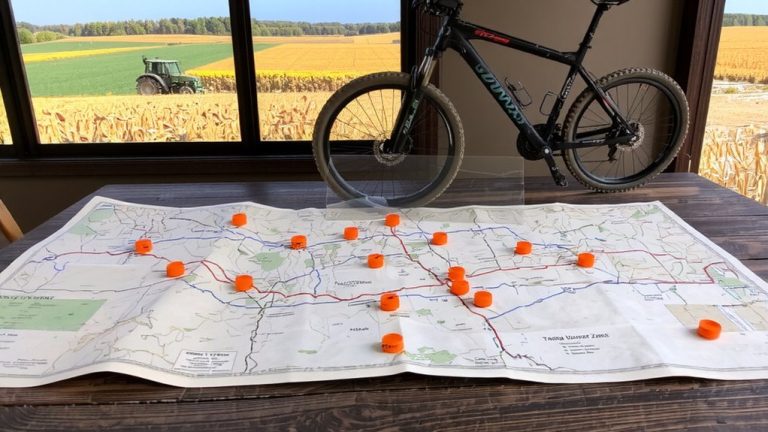
You’ve checked your bike, packed your hydration pack, and laced up your trail shoes-now don’t skip the most important pre-ride step: confirming fire and trail status. Fire restrictions and fire bans can shut down trail access fast, even if recent weather changes suggest lower risk. Red Flag Warnings often trigger immediate closures due to dry forest fuels and high winds. Don’t assume trails are open-always check trail status through official land management websites like fs.fed.us, nps.gov, or blm.gov. In Oregon, the Oregon Department of Forestry’s Restrictions & Closures site gives real-time updates across state and federal lands. These closures protect Trail opportunities long-term. Ignoring them risks fines and fire starts. Conditions shift daily, so verify before every ride.
What to Do If Trails Are Closed
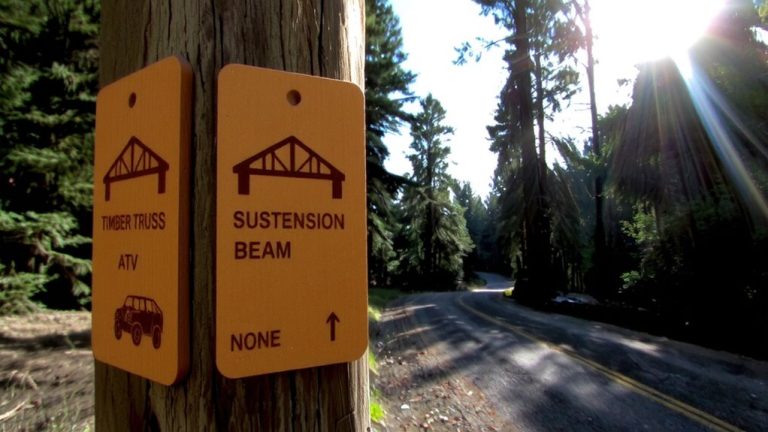
If the trails you’re set on are shut down due to fire bans, don’t just turn around frustrated-take a beat to reassess, because knowing your next move keeps you safe, legal, and ready to ride another day. Respect all closure signs; they’re enforced regardless of recent rain, and ignoring them risks fines or wildfires. Check the fs.fed.us, nps.gov, or blm.gov before you go, and contact the nearest local ranger station for real-time updates-many trails close suddenly when fire danger levels spike. Always wear a helmet and plan alternative routes on open trails only. Red or black flag warnings mean high risk, even if trails seem dry after a light shower. Use trail apps with offline maps to reroute fast. Choosing to ride on open trails means you’re part of a well-executed trip-one that protects forests and keeps biking legal.
How Bikers Can Prevent Fires and Keep Trails Open
Because even a small spark can ignite a wildfire, especially in dry, wind-prone areas, you need to take real precautions every time you hit the trail-starting with ditching the habit of smoking while riding, since discarded cigarette butts have sparked fires in grass as easily as in timber. You should skip e-bikes on non-motorized trails, where their mechanical components can create sparks, especially during fire bans. Check fire danger ratings and Red Flag Warnings via fs.fed.us or weather.gov-these often trigger trail closures. Follow Leave No Trace principles: pack out all trash, including fire-starting materials, to prevent accidents. Riding closed trails worsens fire danger and risks fines. Your choices directly impact access, so stay informed, gear wisely, and help keep trails open and safe for everyone.
On a final note
Always check local fire bans before heading out-closed trails mean no riding, even on fire-resistant routes. Carry a 1L hydration bladder, wear flame-resistant synthetic layers (like polyester or nylon), and pack a mini trail repair kit with a multi-tool, 29er tire levers, and 40-psi sealant. One tester rode 18 miles on a carbon hardtail during a high wind advisory, only to get turned back at the gate-check status online first.