Tracking FTP Gains After Six Weeks of Polarized MTB Training Models
You won’t see big FTP jumps after six weeks of polarized training-most gains start later, even if you nailed 80% of rides at 158W in Zone 1 and one weekly VO2 max session at 105–110% FTP. Your heart rate stays steady at 140–150 bpm, power at threshold feels easier, and sustained output improves, all signs of aerobic progress. Without enough high-intensity work, FTP stalls-adding longer 4×4’ intervals and sweet spot blocks helps. You’re building endurance with real results hiding under the surface, and there’s more to access.
We are supported by our audience. When you purchase through links on our site, we may earn an affiliate commission, at no extra cost for you. Learn more. Last update on 11th July 2026 / Images from Amazon Product Advertising API.
Notable Insights
- FTP may not increase after six weeks of polarized training due to its reliance on gradual aerobic base development.
- Stable heart rate at higher power outputs indicates improved aerobic efficiency despite no FTP change.
- Perceived effort reductions at near-threshold intensities suggest physiological adaptations are occurring.
- High-intensity intervals are essential for FTP gains, as Zone 1 alone rarely drives lactate threshold improvements.
- Progress should be assessed using power sustainability, HR response, and recovery metrics alongside FTP testing.
Why FTP Doesn’t Rise Early on Polarized MTB Plans
Why isn’t your FTP going up after weeks of polarized training? Your mountain bike Training Plans may be spot-on, but FTP gains often stall early because polarised training focuses on 80% low intensity effort, building aerobic capacity and mitochondrial density over time. Don’t expect quick jumps in threshold power-six weeks is frequently too short for measurable adaptations, especially if you’re new to structured riding. Aerobic improvements like capillary density and fat oxidation take weeks to boost FTP. Even with high low intensity volume, FTP ties closely to lactate threshold, which responds later to targeted high-intensity work. One rider saw just a 4-watt FTP rise after six weeks, despite solid base work. Real gains typically follow specific VO2 or threshold milestones, not the initial grind. Stay consistent-your aerobic engine is developing, even if the numbers aren’t showing it yet.
How My 6-Week Polarized MTB Plan Was Structured
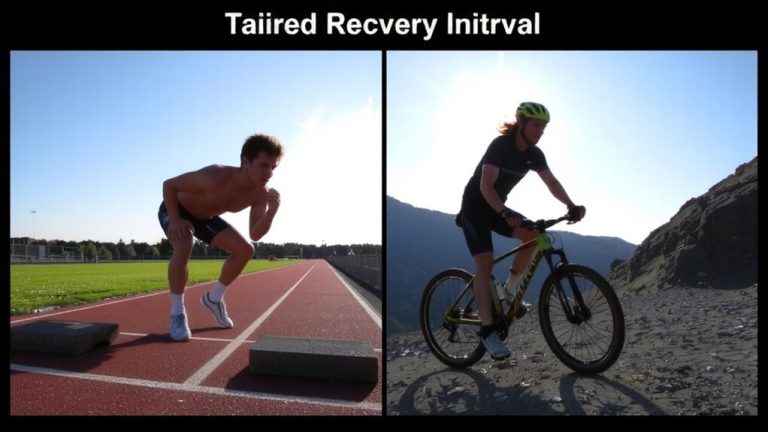
While you’re building aerobic endurance, your training stays sharply focused on intensity distribution-80% of your rides in Zone 1 (60–70% FTP), the other 20% pushing at 105–110% FTP during structured VO2 max efforts like 4×4-minute intervals. Your polarized training plan includes four to five weekly rides: three moderate (≈90-minute) Zone 1–2 sessions, one high-intensity interval day (e.g., Mount Alyeska workout), and a long indoor endurance ride that builds to over 4 hours. Long rides, like Vogelsang, stay strictly in Zone 1-averaging 158w (63% of 250w FTP)-with minimal non-pedaling time. No Zone 3 or lower Zone 4 efforts are allowed. FTP begins at 250w, adjusts briefly, then confirms at 254w post-Ramp Test. Endurance Training dominates, but high-intensity intervals drive adaptation-proving polarized training works when intensity stays precise.
How Heart Rate and Power Showed Progress Without FTP Gains
You stuck to the plan-eighty percent of your rides in Zone 1, the rest at full-throttle VO2 max repeats, and not a single session drifting into the gray zone-and even though your FTP didn’t tick upward after six weeks, your body’s response tells a different story. Your heart rate stayed steady at 140–150 bpm during longer Zone 1 rides, and sustained power at sub-threshold efforts felt easier, signaling better aerobic efficiency. Despite consistent training stress, your cardiovascular system adapted without FTP changes.
| Metric | Change After 6 Weeks |
|---|---|
| Heart Rate (Zone 1) | Stable, no drift |
| Sustained Power | Increased at same HR |
| Perceived Effort | Lower at 95% FTP |
| Aerobic Efficiency | Improved |
| FTP | No change |
Polarized training boosted your efficiency, proving progress isn’t always in the FTP number.
Why Too Much Z1 Riding Without Intensity Delays FTP
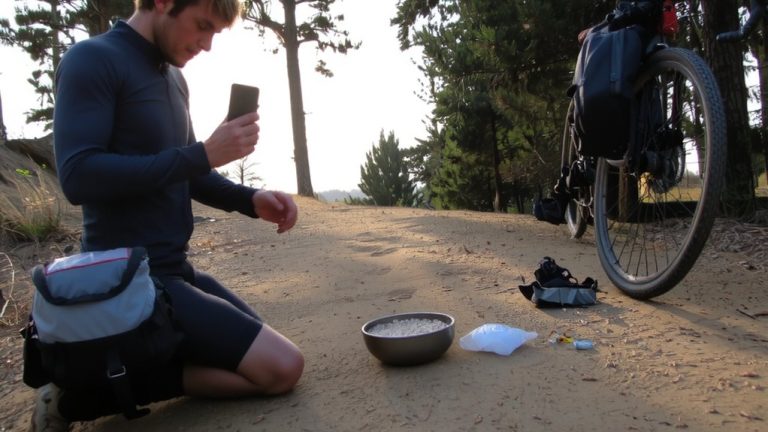
If you’re logging long hours in Zone 1 with steady climbs on gravel paths and forest singletrack, relying only on easy spins to build fitness, you’re likely boosting endurance and fat metabolism-but leaving real FTP gains on the trail. Too much Z1 riding without higher training intensity means you’re skipping key stressors: VO2 max and the anaerobic system don’t get the stimulus they need. Polarized training demands about 20% of your time in Zone 5–6, where high-intensity intervals-like 4 x 4’ at 105–110% FTP-drive aerobic power and lactate threshold improvements. Without these efforts, FTP gains stall, even if weekly volume is high. Your heart rate might stay low on climbs, showing efficiency, but power output won’t climb. Real progress comes from pairing easy endurance days with sharp, focused intensity-not just spinning all day.
Key Adjustments I’m Making for My Next MTB Phase
Though endurance builds the base, it’s the smart addition of intensity that truly elevates your FTP, and that’s exactly where I’m adjusting. You’re now increasing the intensity with longer intervals at 105–110% FTP, pushing Zone 5–6 work up to 10% of weekly volume for better VO2max gains. Long Zone 1–2 rides extend to 6 hours to boost Type II fiber aerobic capacity, especially past the 2–3 hour mark. Instead of strict polarized training, you’ll add sweet spot blocks during race-specific phases to simulate Olympic distance demands. Power data from your TrainerRoad blocks, starting next week, will standardize progression after minimal FTP gains (250w to 254w) last phase. HRV tracking via WHOOP guarantees back-to-back long rides don’t impair recovery. And yes, consulting an experienced coach helps fine-tune volume without overreach-all while keeping gear lightweight, tires dialed, and trails challenging.
On a final note
You’re likely not seeing FTP jumps after six weeks because polarized training prioritizes aerobic base (Z1/Z2) before power spikes, and that’s normal. Your heart rate drops at same power, and perceived effort improves-real signs of progress. Skip the baggy shorts with thin pads; grab the Pearl Izumi Pro Gel II, 9mm padding, for long trail comfort. Pair with a 12-speed SRAM GX AXS, 10-52T cassette-gears stay crisp, even on Moab’s rocky climbs.