Tailoring Breakfasts for Cold Weather Winter MTB Sessions
You burn 10–20% more calories on winter MTB rides because shivering spikes carb metabolism sixfold, so fuel up with 55–60g of carbs and 20g+ of protein. Go for warm oatmeal with nut butter, eggs, and oats-delivering 27g+ complex carbs and steady energy. Swap cold smoothies for warm versions with 40g oats and protein powder. Start with herbal tea and a pinch of salt to hydrate, and time your meal 2–3 hours out for peak digestion, giving you the lasting power to tackle long, frozen trails.
We are supported by our audience. When you purchase through links on our site, we may earn an affiliate commission, at no extra cost for you. Learn more. Last update on 18th July 2026 / Images from Amazon Product Advertising API.
Notable Insights
- Consume 55–60g of carbs per hour during winter rides due to increased caloric demands from cold-induced shivering.
- Prioritize warm, carb-rich breakfasts like oatmeal or oat pancakes to provide sustained energy and aid thermoregulation.
- Include 20g+ of protein in pre-ride meals to support thermogenesis and muscle recovery in cold conditions.
- Choose easily digestible, complex carbohydrates such as oats or quinoa to match fuel demand of 0.77–0.84g/kg/hour.
- Start hydration with warm beverages like herbal tea and use insulated bottles to maintain fluid intake and prevent freezing.
Why Winter MTB Breakfasts Need More Fuel
When the thermometer drops, your body works harder just to stay warm, so it’s no surprise that winter MTB sessions demand more fuel than rides in milder weather. Your winter nutrition strategy starts with breakfast, where cold-induced shivering can spike calorie burn by 10–20%, fast. Carbs? You’ll burn through them quick-shivering ramps up carb metabolism sixfold, so aim for 55–60g per hour on the trail, starting with a solid pre-ride meal. For energy levels that last, pack in 15–25g of protein an hour before riding; it helps generate heat and saves muscle. Even with gloves and a windproof jacket, you’re sweating, and cold dulls thirst, so sip a warm oat smoothie-it hydrates *and* delivers slow-release carbs. Skip it, and you’ll fade fast on long climbs or technical singletrack. A hearty breakfast isn’t just comfort-it’s critical fuel for sustained power, focus, and warmth when trail temps plummet.
Warm, Carb-Rich Meals to Power Long Rides
While the cold saps energy faster than a flat tire on a steep descent, fueling up with warm, carb-rich meals gives you the staying power to crush long winter MTB sessions, and oatmeal made with milk, nut butter, and nuts is a go-to for riders logging miles in sub-40°F temps-it delivers 15–20g of protein, a mix of complex carbs and healthy fats, and has been tested by backcountry riders to sustain energy for over two hours on rugged singletrack. Your winter breakfast should include slow-release carbs like oats or quinoa, providing 27g+ of complex carbohydrates per serving to match the 0.77–0.84g/kg/hour fuel demand in cold conditions. A warm smoothie with 40g of oats and 30g of vanilla protein powder delivers 70g of carbs and 25g of high-quality protein, ideal 2–3 hours pre-ride. Oat pancakes with banana and blueberries offer ~45g of easily digestible carbs, perfect 1–2 hours before hitting the trail.
Protein-Rich Foods That Warm You Up
You’ve already got your slow-release carbs dialed for long winter miles, but don’t overlook the heat-boosting power of protein-rich breakfasts-they’re a game-changer when the trail gets icy and your core temp starts to drop. In cold weather, foods like scrambled eggs with cheese and veggies deliver 20–25g of protein, fueling muscle recovery and ramping up thermogenesis. Oat pancakes with 2 eggs and 100g oats pack 18g of protein and warm you from within. A smoothie with 30g vanilla protein powder, milk, and oats hits 25g, boosting satiety and internal heat. The bacon and goat cheese frittata, with 6 eggs and 50g cheese, offers over 30g of high-thermic protein, ideal for harsh winter rides. Even Greek yogurt on French toast supplies 10–15g per 150g serving, helping regulate temperature during cold-weather MTB sessions.
Start With Warm Drinks to Stay Hydrated
A warm drink first thing in the morning isn’t just comforting-it’s a smart hydration strategy that fights the 40% drop in thirst perception you face in cold weather. Sipping herbal tea or warm water with lemon kickstarts hydration and counters cold-induced diuresis, helping your body retain fluids before you even grab your winter bike. Adding a pinch of salt boosts electrolyte balance and encourages you to drink more, which is key when you’ll be sweating in layers on long trail sessions. Pre-ride warmth also avoids the core cooling that comes with gulping cold liquids. Use an insulated bottle to keep drinks warm (not boiling) for early starts. That way, you can easily refill your hydration pack later without risking frozen tubes. Testers report better energy and focus when starting hydrated-no more mid-ride sluggishness. Warm fluids aren’t just cozy, they’re mission-critical prep.
Timing Your Breakfast: Quick vs. Extended Prep
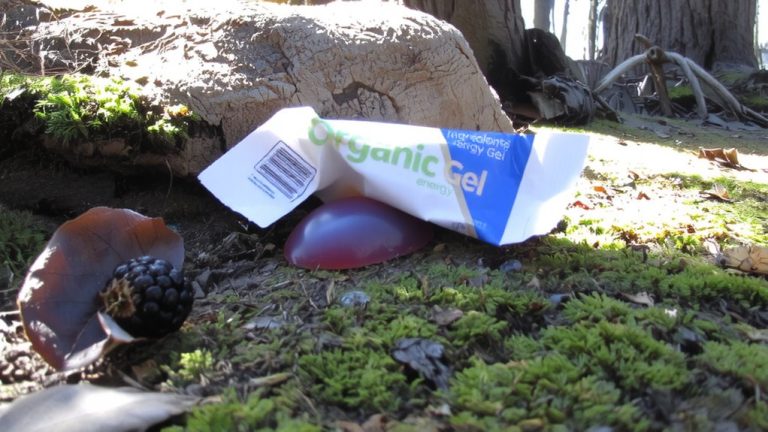
Warm fluids set the stage for strong winter rides, but nailing your breakfast timing seals the deal. If you’ve got 2–3 hours before your winter training session, eat a large breakfast with at least 20 g of protein and complex carbs-think oatmeal with nuts and eggs, not pancakes or bacon sausages, which are too slow to digest. This gives your body time to process fuel steadily, supporting sustained energy and recovery. But if you’re short on time, you still need to eat-opt for a light meal 60 minutes out, like a banana with peanut butter or a low-fiber bar. These digest fast and won’t upset your stomach on cold trails. Just remember, with a late breakfast, start fueling on the bike within 30 minutes using gels or chews to keep your energy balanced and ride strong.
On a final note
Keep your winter MTB rides strong with a breakfast that fuels and warms you. Choose oatmeal with nuts and banana, scrambled eggs with whole grain toast, and a thermos of herbal tea. Eat 60–90 minutes pre-ride for peak energy. These meals give you sustained carbs, protein, and internal heat, tested by riders in sub-40°F conditions. Pair with a good base layer and insulated hydration pack, and you’re set for crisp, confident trails.