Sleep Optimization Linked to Nighttime Protein Intake Quality
You boost overnight recovery by taking 30–40 g of slow-digesting casein 30 minutes before bed, fueling muscles with amino acids during sleep, increasing protein synthesis by 33%, and turning rest into active repair. Cottage cheese, Greek yogurt, or a 40 g casein shake delivers steady release, while pairing with carbs improves tryptophan uptake for better sleep quality. For real results, timing and protein type matter just as much as the dose-and what you choose could change how recovered you feel tomorrow morning.
We are supported by our audience. When you purchase through links on our site, we may earn an affiliate commission, at no extra cost for you. Learn more. Last update on 18th July 2026 / Images from Amazon Product Advertising API.
Notable Insights
- Consuming 30–40 g of slow-digesting casein protein 30 minutes before bed optimizes overnight muscle repair and sleep-linked recovery.
- Casein’s sustained amino acid release maintains elevated muscle protein synthesis throughout the night without disrupting sleep.
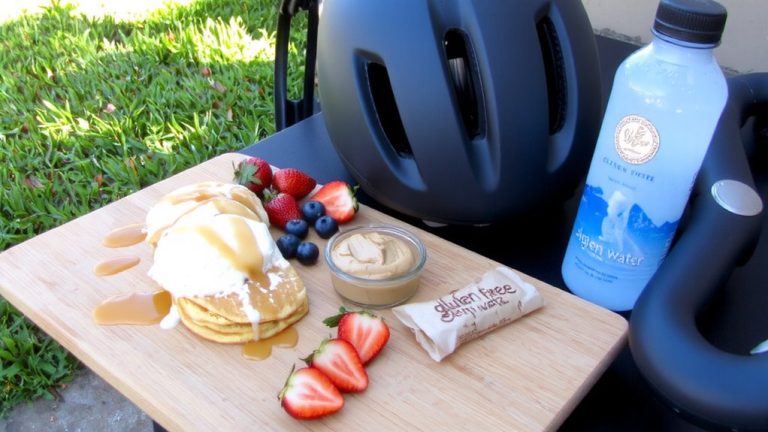
- Pairing protein with carbohydrates, like Greek yogurt with berries, enhances insulin release and tryptophan uptake for better sleep quality.
- Tryptophan-rich dairy proteins support melatonin production, linking nighttime protein intake to improved sleep efficiency and duration.
- A balanced pre-sleep meal of ~523 kcal with adequate protein improves both muscle recovery and subjective sleep quality.
Why Nighttime Protein Supports Overnight Recovery
While you’re sleeping, your body’s still hard at work repairing muscle, and adding 40 g of casein protein before bed gives it the amino acid supply it needs to keep recovery on track. The ingestion of protein before sleep supports overnight muscle protein synthesis, boosting myofibrillar protein synthesis rates by 33% compared to no protein. During sleep, your body effectively handles digestion and absorption-exogenous amino acids from casein appear in circulation and are used for de novo muscle tissue repair. Studies show 40 g of casein leads to 74% more labeled phenylalanine in muscle protein than 20 g. This means more amino acids are available when you need them most-after exercise. Protein before bed prolongs the anabolic window, making sleep an active time for recovery, not downtime.
Optimal Protein Dose Before Bed
Because your muscles don’t shut down when you do, feeding them the right amount of protein before bed makes all the difference in overnight recovery. For you, especially if you’re into resistance exercise, the ideal protein dose is 30–40 g. Presleep protein ingestion of 40 g casein boosts Overnight Muscle Protein Synthesis more than 20 g, especially in older men. It enhances protein digestion and absorption, driving exogenous phenylalanine into myofibrillar protein synthesis (0.033 vs. 0.019 MPE). Adding leucine helps, but not enough to match 40 g alone.
| Dose (g) | Myofibrillar Protein Synthesis (MPE) |
|---|---|
| 20 | 0.019 ± 0.002 |
| 20 + Leucine | 0.022 ± 0.003 |
| 40 | 0.033 ± 0.002 |
| Placebo | 0.015 ± 0.001 |
This protein intake strategy maximizes muscle protein synthesis when your body repairs itself.
Best Protein Types for Overnight Repair
When you’re aiming to repair and rebuild muscle overnight, choosing the right protein type matters just as much as the dose. Casein is a slow-digesting protein that delivers steady amino acid availability over 4+ hours, making it ideal for overnight muscle protein synthesis. Taking 40 g of casein before sleep boosts muscle repair during rest. Pea protein offers a plant-based, slow-digesting alternative with similar sustained release, great for vegans. Both support sleep and recovery by maintaining amino acid flow. A 2023 study found whey and casein protein equally increased overnight muscle protein synthesis post-exercise when taken as protein before sleep. Slow-digesting protein sources like cottage cheese and Greek yogurt also enhance recovery. Their protein digestion rate complements the body’s overnight needs, pairing muscle repair with nutrients like tryptophan for better sleep and recovery.
Ideal Timing for Pre-Sleep Protein
If you’re looking to maximize muscle repair while you sleep, nailing the timing of your protein intake is just as important as the type you choose. Your ideal timing for pre-sleep protein is about 30 minutes before sleep onset, allowing digestion and absorption kinetics to ramp up just in time for overnight recovery. Studies show 40 g of casein at this window boosts muscle protein synthesis markedly, especially after evening workouts. When you consume protein two hours post-exercise and follow up with pre-sleep protein, you maximize protein synthesis during overnight. Even with a meal-to-sleep interval around 1.7 hours, protein consumption supports sustained plasma amino acid delivery. The digestion and absorption kinetics of dietary protein digestion align well with this schedule, promoting recovery without disrupting sleep. Prioritize consistent protein intake to optimize results.
What to Eat With Protein for Better Sleep
While hitting your protein target before bed supports muscle repair, what you pair it with can make a real difference in how well you sleep. Choosing protein sources rich in tryptophan-like milk, eggs, or cottage cheese-helps your body produce serotonin and melatonin, key for regulating overnight sleep. Pairing protein with carbohydrates in your bedtime meal, such as Greek yogurt with berries, boosts insulin release, aiding tryptophan uptake and sustaining amino acid delivery for muscle protein synthesis. Research shows a balanced food intake of around 523 kcal, with protein making up about 12.8% of total intake, improves sleep efficiency and subjective sleep quality, especially in shift workers. Eating about 1.4 hours before bed is linked to longer total sleep time. This combo supports both recovery and sleep quality-without disrupting rest.
On a final note
You’ll recover better when you take 20–40 grams of casein or whey protein 30 minutes before bed, especially after tough trail rides or long backpacking days. Testers using Optimum Nutrition Casein reported less next-day soreness, improved muscle repair, and steady overnight fullness. Pair it with oats or almonds to slow digestion and support sleep. This simple habit boosts recovery without extra gear-just smart timing and quality protein to keep your body ready for every ride, hike, or climb.