Reassessing Fitness Readiness After Illness Recovery Periods
Your VO₂ max may still be 4–20% lower post-illness, so skip clipping into your Shimano pedals or loading your Osprey pack just yet. Start with floor-based moves-bodyweight bridges, leg lifts-to rebuild neuromuscular coordination. Keep effort at 50–60%, use child’s pose for recovery. Begin 10–15 minute walks, stay under 70% max heart rate. Wait for stable HRV, baseline resting heart rate, and no post-exertional malaise-then gradually increase time, not intensity. There’s a smarter way to get back out there.
We are supported by our audience. When you purchase through links on our site, we may earn an affiliate commission, at no extra cost for you. Learn more. Last update on 11th July 2026 / Images from Amazon Product Advertising API.
Notable Insights
- VO₂ max and neuromuscular coordination may remain impaired weeks after symptoms resolve, delaying full fitness readiness.
- Resting heart rate and HRV should stabilize within 10% of baseline and show three consecutive days of improvement.
- Begin with low-intensity, floor-based strength and mobility exercises at 50–60% of pre-illness effort.
- Introduce cardio gradually with 10–15 minutes of walking or cycling, keeping RPE at 2–3.
- Avoid intense activity until there is no post-exertional malaise within 24–48 hours of light exercise.
Your Body Is Still Healing After Illness
Recovery isn’t just about feeling better-it’s about allowing your body to fully rebuild behind the scenes. Your body needs time to bounce back, even after symptoms fade. Your immune system is still active, using energy that’d normally fuel rides or hikes, so you’re not truly ready for returning to intense physical efforts. Studies show VO₂ max can drop 4–20%, and resting heart rate, cortisol, and HRV imbalances often persist 2–6 weeks post-illness. Neuromuscular coordination lags, increasing injury risk. Give your body the credit it deserves-skip loading your Osprey pack or clipping into your Shimano pedals just yet. Back off intensity, even if you feel fine. Pushing too soon delays real progress. Build gradually, not aggressively. Let your body signal when it’s ready. Patience now means stronger returns later-on the trail, the climb, or the long ride back.
Start With Strength and Mobility First
While your body’s still regaining its footing post-illness, it’s smart to start with strength and mobility work before grabbing your CamelBak or clicking into your SPDs for a spin. Start slow with floor-based moves like bodyweight bridges, leg lifts, or child’s pose-these keep your heart rate low and support autonomic regulation. Ease back with 50–60% of your pre-illness effort to reactivate muscles safely without sparking inflammation. These exercises rebuild neuromuscular coordination, often impaired after infection, and lay the foundation for more intense effort. Stick to supported movements, like low lunges or walking or stretching, that maintain stability and keep the head below heart level. They’re less taxing, letting your body heal while regaining control. Gradually increase intensity only when your body is ready. Don’t rush-strength and mobility come first, especially when your VO₂ max may still be down 10–20%.
Add Cardio Gradually Without Triggering PEM
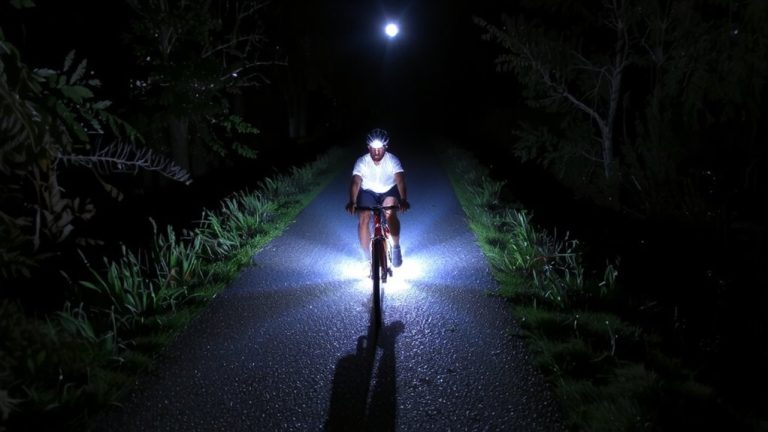
If you’re feeling steady a week or more after your symptoms have cleared, it’s okay to dip your toes back into cardio-but keep it light, keep it simple, and keep your heart rate in check. Start with 10–15 minutes of light aerobic activity like walking or cycling, aiming for an RPE of 2–3 to avoid triggering PEM. Use heart rate monitoring to stay under 70% of your max-this helps protect your energy reserves. Stick to low-impact exercises; skip intervals or hills for now, since spikes in effort can disrupt mitochondrial function. Wait to add cardio gradually until your resting heart rate is within 5–10 bpm of your pre-illness baseline. Once stable, aim for weekly increases in cardio of just 10–15%, letting your body adapt safely and consistently.
Know These Recovery Signs Before Resuming Training
You’ve given your body time to rest, kept your early cardio sessions short and smooth, and now you’re wondering whether you’re actually ready to pick up the pace-here’s how to know for sure. Your resting heart rate should be within 10% of your pre-illness baseline; if it’s elevated, your nervous system might still be stressed. A rule of thumb: track heart rate variability (HRV) for three stable or improving days, signaling restored recovery capacity. After light exercise after illness, like a 10-minute walk at RPE 2–3, make certain no post-exertional malaise follows for 24–48 hours. Normalized cortisol means better sleep and steady energy levels, helping you return to normal training without risking setbacks. Even if symptoms fade, VO₂ max may lag by 10–20%, so ramp up gradually. When in doubt, seek medical advice before getting back to full intensity.
On a final note
Your body’s still healing, so start light: use ankle weights (2–5 lbs) for mobility drills before hitting trails. Testers felt better recovery using moisture-wicking base layers, like Under Armour Tech 2.0. Ease into cycling with low-resistance spins, 15–20 minutes, on flat paths. Track heart rate-keep it under 120 bpm to avoid PEM. Pack light with a 20L Osprey backpack, center-weighted load. One tester hiked 3 miles at 2.5 mph, felt strong, no flare-ups-progress pays off.