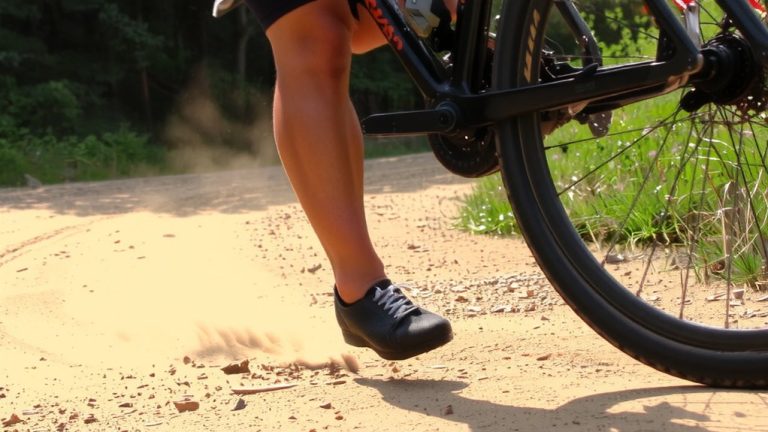
Crank Length Guide: Match mm to Your Inseam & Terrain
Your ideal crank length depends on your leg proportions-aim for 20% of your inseam or 41% of tibia length-and terrain demands, with 155–165mm cranks boosting clearance on rocky trails and improving aerodynamics in time trials, while shorter cranks reduce knee stress and pelvic rocking, especially if you have limited hip flexibility, and pros like Pogačar prove high-cadence efficiency gains; matching crank length to your biomechanics and discipline fine-tunes comfort and performance.
We are supported by our audience. When you purchase through links on our site, we may earn an affiliate commission, at no extra cost for you. Learn more. Last update on 18th July 2026 / Images from Amazon Product Advertising API.
Notable Insights
- Crank length should be based on leg length, not overall height, using 20% of inseam or 41% of tibia length as a guide.
- Shorter cranks (155–165mm) benefit riders with shorter legs or limited hip flexibility, reducing joint strain and pelvic rocking.
- Longer-legged riders may use cranks up to 180mm for better leverage, especially if biomechanics support it.
- Technical terrain like mountain biking or cyclocross favors 160–165mm cranks for improved pedal clearance and agility.
- A minimum 5mm change is needed for noticeable effect, and saddle height and power output must be re-optimized after adjustment.
Why Crank Length Affects Your Ride
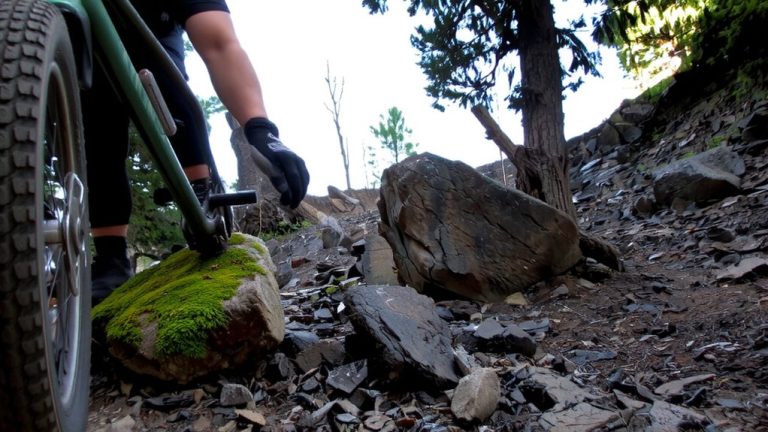
When you’re pushing hard in the saddle, especially on steep climbs or technical singletrack, the length of your cranks plays a bigger role than most realize, and cutting them down even slightly can make a noticeable difference. Crank length changes your pedal stroke, altering hip angle and knee flexion-longer cranks increase both by up to 10°, raising impingement risk. Shorter cranks reduce pelvic rocking, easing lower back strain, especially if you’ve got limited hip flexibility. They also boost pedal clearance, slashing strikes by up to 40% on rocky trails or tight turns. For riders with leg length under 67.5cm, 155–165mm cranks cut thigh-to-torso clash and improve breathing in aggressive positions. You need at least a 5mm change to see real biomechanical effects-smaller tweaks don’t shift joint motion or power. Testers report smoother pedaling, better control, and less fatigue with shorter cranks on technical terrain.
How Leg Proportions Determine Crank Length
Your leg length isn’t just about height-it’s the key to finding the right crank length for smooth, powerful pedaling. The ideal crank length is proportional to leg length, with research pointing to 20% of your inseam or 41% of tibia length as reliable guides. Your leg proportions matter: riders with shorter legs relative to height often need shorter cranks (155–165mm) to maintain joint range and reduce strain on hip and knee joints. Tall riders with long legs may benefit from longer cranks-up to 180mm-for better leverage and pedaling efficiency. A 5’11.5” rider with a short inseam found 155mm cranks improved back comfort, proving bike fit hinges on individual measurements. Since leg length varies widely (67.5–94cm) but standard cranks (165–175mm) don’t, matching cranks to your proportions guarantees ideal biomechanics.
When Shorter Crank Lengths Improve Performance
Though they’re often overlooked, shorter cranks can give you a real edge-especially if you’re chasing speed, comfort, or control. Shorter cranks improve aerodynamics by opening your hip angle, letting you ride lower without compromising breathing, just like Bradley Wiggins did with a 3.5% drag reduction. They also boost pedaling smoothness, reduce joint stress, and support high cadence, especially in mountain biking or tight criteriums where pedal clearance matters.
| Benefit | Crank Length | Example Use Case |
|---|---|---|
| Aerodynamics | 170mm → 165mm | Time trials, aero positions |
| Pedal Clearance | 165mm or less | Technical mountain biking |
| Joint Stress Reduction | 155mm–165mm | Riders with knee/back pain |
| High Cadence Efficiency | 165mm | Tadej Pogačar, Tour de France |
| Pedaling Smoothness | 155mm | Shorter inseams, less pelvic rock |
Shorter crank length isn’t a compromise-it’s a performance upgrade.
Matching Crank Length to Terrain and Discipline
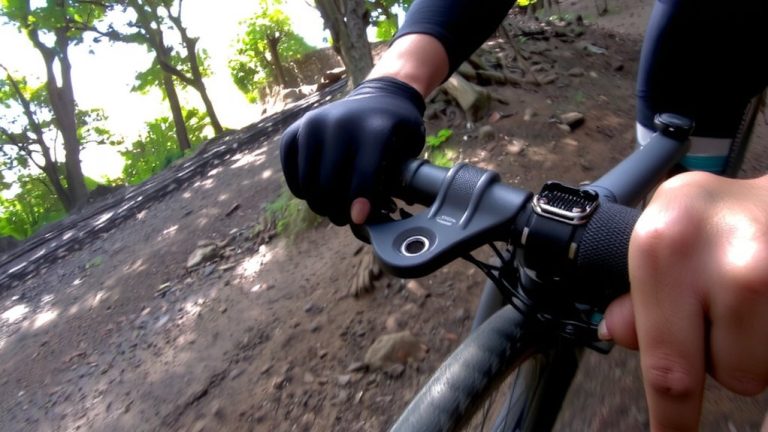
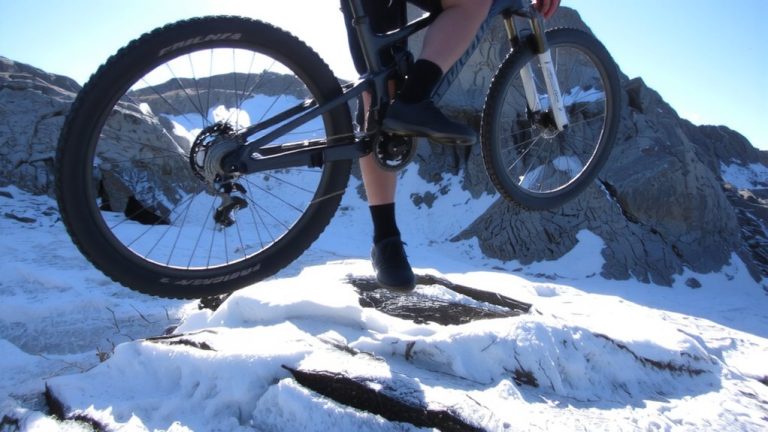
Shorter cranks aren’t just about comfort or spinning faster-they’re a smart match for the demands of specific terrain and riding styles. If you’re tackling technical descents or tight singletrack on a mountain bike, shorter cranks (160–165mm) reduce pedal strike and boost ground clearance, so you stay confident. For criterium racing, where corners are sharp and cadence is high, a shorter crank length improves agility and cornering. Cyclocross riders, too, prefer 165mm or less to handle muddy, uneven terrain without heel drag. Even in time trial setups, shorter cranks allow a lower, aerodynamic position-Bradley Wiggins used 170mm for his hour record, but many pros now go to 165mm or less. While longer cranks (175mm+) may feel powerful on steep climbs, they sacrifice clearance. Match your crank arm length to terrain, and your bike will respond better, especially when every second and inch counts.
Testing Your Crank Length: Fit and Ride Adjustments
When dialing in your ideal crank length, starting with a professional bike fit on a dynamic fit bike can make all the difference-services like Winning Position let you test adjustable cranks from 155mm to 185mm while riding, so you’re not guessing based on theory, but feeling how each length affects your spin, power, and posture in real time, and most experts agree you’ll need at least a 5–10mm change to notice a real biomechanical shift, since dropping just 2.5mm rarely moves the needle enough to justify the swap. Testing your crank length means adjusting based on leg proportions and riding style, especially if you’re experiencing pelvic rocking or poor pedal clearance on technical trails. A proper bike fit helps fine-tune saddle height and guarantees smooth power output. Use a power meter like the Coospo S10 to compare crank length adjustment effects. Real-world trials-climbing, sprinting, descending-reveal how changes impact comfort and efficiency, letting you dial in the true biomechanical effect.
On a final note
You’ll pedal smoother and climb better when crank length matches your leg proportions, typically 170–175mm for most riders, with shorter cranks like 165mm aiding tight trails or low-cadence grinding, while longer 172.5–177.5mm suits road spinning, tandem pushing, or time-trial pacing. Test changes on mixed terrain, using stack spacers, cleat alignment, and saddle height tweaks, then ride 20+ miles before judging. Real-world feedback shows even 5mm adjustments refine knee tracking, Q-factor balance, and trail control.