Improving Reaction Time to Unexpected Wildlife Encounters on Remote Paths
Carry bear spray in a chest holster for under-three-second access, proven 98% effective within 30–60 feet when EPA-approved with 1–2% capsaicin. Make noise every 50–100 yards-talk loud, clap, or shout “Hey bear!”-to cut surprise encounters by 85%. Stay alert at dawn and dusk, use trekking poles to send ground vibrations, and watch for warning signs like flattened ears or huffing. You’ll learn how to match gear and behavior to terrain, season, and real predator patterns.
We are supported by our audience. When you purchase through links on our site, we may earn an affiliate commission, at no extra cost for you. Learn more. Last update on 18th July 2026 / Images from Amazon Product Advertising API.
Notable Insights
- Make consistent noise every 50–100 yards to reduce surprise wildlife encounters by up to 85%.
- Carry bear spray in a quick-access holster and practice drawing it before hiking.
- Learn species-specific warning signs like huffing bears or a cougar’s intense stare.
- Keep bear spray warm and functional by storing it close to your body in cold weather.
- Use trekking poles to create ground vibrations that alert nearby moose and cougars.
Know Wildlife Before You Hike
Before you hit the trail, knowing what wildlife you might encounter gives you a real edge in staying safe and prepared, especially when your backpack’s packed and you’re miles from help. You’ve got to know wildlife before you hike-researching regional wildlife isn’t just smart, it’s essential. Depending on where you are, local wildlife could mean grizzly bears in Yellowstone or mountain lions in the Rockies. You’ll react differently to black bears than to grizzlies, so understanding these differences shapes your response. Wildlife encounters with moose, elk, or rattlesnakes also depend on region and season. Stay aware, especially at dawn or dusk when predators are active. Proper prep means knowing who’s around and how they behave. Research helps you avoid surprising animals, keeping everyone safer. Don’t wing it-researching regional wildlife gives you confidence, clarity, and vital seconds when it counts.
Make Noise to Avoid Surprise Encounters
While you’re hiking through dense forest or foggy terrain, making consistent noise isn’t just a good habit-it’s a proven strategy to avoid dangerous wildlife surprises. You should make noise to alert animals of your presence, reducing surprise encounters by up to 85% in bear-prone areas. Use loud noises like clapping, shouting “Hey bear!” every 50 to 100 yards, or talking loudly to make consistent noise. Bear bells on your backpack emit high-frequency sounds detectable up to 50 feet away, helping animals move before you get close. Trekking poles striking the ground create rhythmic vibrations that alert moose and cougars within 30 feet. Stomp firmly in rattlesnake zones to send ground signals. This noise while you hike won’t attract wildlife-it helps them avoid you, decreasing chances of bear charges. Stay aware of your surroundings, especially when visibility drops.
Spot the Warning Signs of Animal Aggression
When you’re deep in bear country and spot a black bear flattening its ears or popping its jaws, you’re seeing clear signals of rising aggression-knowing these cues could mean the difference between a safe retreat and a dangerous encounter. Watch for huffs, jaw pops, and ground slapping; these are all warning signs of defensive or aggressive behavior. Grizzlies may woof, lay ears back, or slap the ground, while moose show pinned ears and raised hair on their hump before charging. Coyotes with raised hackles, direct eye contact, and fearless approaches are habituated and potentially aggressive. If you hear a sharp, steady rattle-20 to 60 Hz from a coiled rattlesnake-freeze, then back away slowly. Recognizing ears laid back, raised hackles, or sudden woofing helps you react before escalation. These warning signs, paired with awareness, keep you safer on narrow trails or remote backcountry routes where surprise encounters happen.
How Bears and Cougars Show They’re Threatened
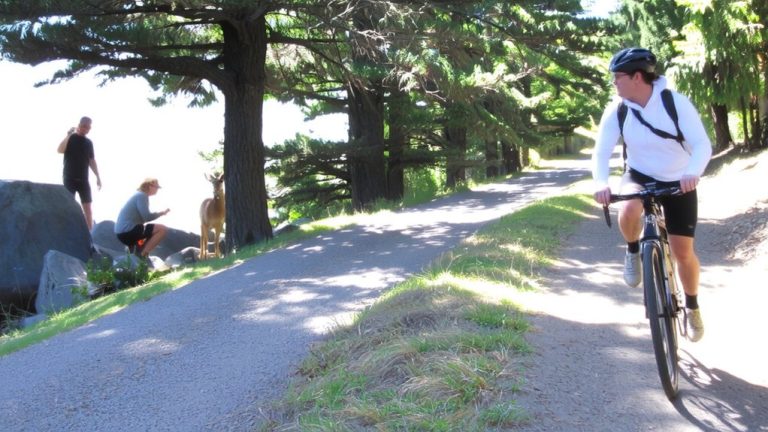
If you’re hiking or biking through cougar or bear territory, recognizing how these animals show they’re threatened can keep you safe-bears often flatten their ears, huff loudly, pop their jaws, or make stiff, forward hops in a bluff charge with heads low, while grizzlies may paw the ground, clack teeth, or shift sideways to appear larger, and black bears stomp paws, swat brush, or walk upright and directly toward you when escalating, all signs to stop, stay calm, and back away slowly without turning. These behaviors are key parts of their body language when threatened. If you encounter a cougar, it may stare intensely, flatten its ears, twitch its tail, or growl; if it crouches low with bristled fur, it’s preparing to lunge. Don’t run. Stand your ground, make yourself appear larger, and speak in a calm, firm voice. Black bears and grizzlies react differently, so knowing the difference helps you respond correctly. Whether on foot or bike, staying aware and reacting wisely gives you the best chance to back away safely.
Keep Bear Spray Accessible and Ready
Since every second counts in a close encounter, keeping your bear spray in a quick-access holster on your hip or chest means you can deploy it in under three seconds-much faster than digging through your pack, where it’s useless. In bear country, you gotta keep it accessible so you’re ready for a surprise encounter. It’s important to remember that EPA-approved bear spray with 1–2% capsaicin and a range of at least 25 feet makes all the difference-NPS studies show 98% effectiveness within 30–60 feet. Practice drawing it before hitting the trail so you can stay calm and safely navigate tense moments. Avoid surprising wildlife by making noise, but when things go sideways, being prepared helps you react fast. In cold weather, keep it close to your body; freezing temps can weaken its power. Practice drawing regularly-it’s a small habit that could save your life.
What to Do If a Bear or Mountain Lion Approaches
Though bears and mountain lions are generally elusive, staying calm and knowing exactly how to respond can make all the difference if one approaches, especially since reaction speed and proper posture help deter aggression. If a black bear nears, stay calm, raise your arms to look bigger, speak in a firm voice, and slowly backing away-never run. With grizzlies, avoid direct eye contact, speak softly, and if charged, use bear spray within 30 feet or play dead by lying flat, hands behind your neck. For mountain lions, maintain direct eye contact, raise your arms, and shout firmly-never crouch. Keep bear spray ready on your belt, not in your pack. If a mountain lion attacks, fight back aggressively with rocks, sticks, or fists. Whether hiking or biking remote trails, staying alert and prepared means safer, more confident adventures.
Hike in Groups and Avoid High-Risk Seasons
When you’re out on the trail, sticking to groups of three or more isn’t just a social choice-it’s a proven safety strategy, especially in bear country where 76% of attacks in Yellowstone since 1980 happened to solo hikers. You should hike in groups to deter bears and grizzly bears, as they’re less likely to approach larger, noisier parties. This is vital during mating season and fall foraging months-August and September-when bears are more active and aggressive. Avoid high-risk seasons when animals are stressed or territorial, and avoid hiking at dawn, dusk, or night, when 85% of cougar attacks occur. Stay alert, stay away from dense brush, and keep your distance from all potentially dangerous animals. If you spot wildlife, stop, stay calm, and practice slowly backing away without turning your back.
On a final note
Stay alert, make noise, and carry bear spray on your hip-quick access matters. Hike in groups, stick to wide trails, and avoid dawn or dusk rides in cougar country. Testers recommend a 10-ounce spray can with a safety clip, like Counter Assault, and wearing it on your belt, not in your pack. Early detection, fast response, and smart gear choices keep you safe on remote paths.