Hydration Strategy Adjustments for High-Altitude Alpine Trail Loops
You lose 300–500 mL more fluid daily above 8,000 feet from rapid breathing, dry air, and cold-induced diuresis, even if you don’t feel thirsty. Sip 3–5 oz of water every 15–30 minutes, using an insulated hydration reservoir like a 2L CamelBak with a thermal tube to prevent freezing. Add 400–700 mg sodium per liter with electrolyte tablets every 1–2 hours. Check urine every 2–4 hours-pale yellow means you’re on track. Ideal hydration boosts acclimatization, endurance, and mental clarity the higher you go.
We are supported by our audience. When you purchase through links on our site, we may earn an affiliate commission, at no extra cost for you. Learn more. Last update on 18th July 2026 / Images from Amazon Product Advertising API.
Notable Insights
- Increase fluid intake by 300–500 mL daily above 8,000 feet due to elevated respiratory water loss.
- Sip 3–5 oz of water every 15–30 minutes to maintain hydration, as thirst cues are suppressed.
- Add 400–700 mg sodium per liter every 1–2 hours to replace electrolytes lost at altitude.
- Monitor urine color every 2–4 hours; aim for pale yellow to confirm proper hydration.
- Boost fluid and electrolyte intake to support higher metabolic demands and acclimatization above 1,500 meters.
Understand Why Altitude Dehydrates You Faster
Even though you might not feel as thirsty, your body loses fluids faster at high altitude, and understanding why is key to staying hydrated on alpine trails. In the hypoxic environment above 8,000 feet, your elevated breathing rate increases respiratory water loss by 300–500 mL daily-more than you lose during a long trail run. That dry mountain air accelerates increased fluid loss with every breath, even when you’re not sweating. Meanwhile, cold-induced diuresis raises urinary water losses, flushing out fluids as your body adjusts. Thirst suppression kicks in, too, cutting voluntary intake by up to 40%, so you’re less likely to drink despite higher fluid requirements. Metabolic demands rise 3–5% per 1,000 meters above 1,500 meters, compounding the dehydration risk. Stay ahead by tracking intake early, especially when wearing breathable cycling jerseys or loading your hydration pack for long alpine loops.
Sip Water Before Thirst Hits at High Altitude
Because your body loses fluids faster at altitude without triggering thirst, you’ve got to sip water before you feel the need-ideally every 15 to 30 minutes on alpine trails above 8,000 feet. At high altitude, respiratory water loss increases with every breath, and your thirst mechanism lags, putting you at risk for dehydration even if you feel fine. Sipping small amounts consistently boosts fluid absorption and supports acclimatization. Proactive hydration isn’t just about comfort-it helps prevent Acute Mountain Sickness and maintains electrolyte balance. Waiting until you’re thirsty means dehydration has already started, impairing performance and judgment.
| Strategy | Benefit |
|---|---|
| Sip water before thirst | Prevents early dehydration |
| Drink 3–5 oz every 15–30 min | Optimizes fluid absorption |
Add Electrolytes to Replace Lost Salts
You’ll want to add electrolytes to your water every 1–2 hours on high-altitude trails, especially above 8,000 feet, where dry air and faster breathing ramp up fluid and salt loss through exhalation and urine. Drop in electrolyte tablets or powders with sodium, potassium, and magnesium to offset fluid loss through respiration and urinary water. Aim for 400–700 mg of sodium per liter to maintain fluid balance and avoid hyponatremia. Electrolyte supplementation boosts water absorption, essential when high altitude slows digestion. Sports drinks with 100–160 mg sodium and 14–17g carbs per 8 oz work well during long efforts, fueling muscles while supporting hydration. Real testers on alpine loops report less fatigue and cramping when consistently using electrolyte tablets. Don’t wait-stick to a schedule, not thirst, and keep your electrolyte intake steady from the first mile.
Keep Water Liquid in Freezing Conditions
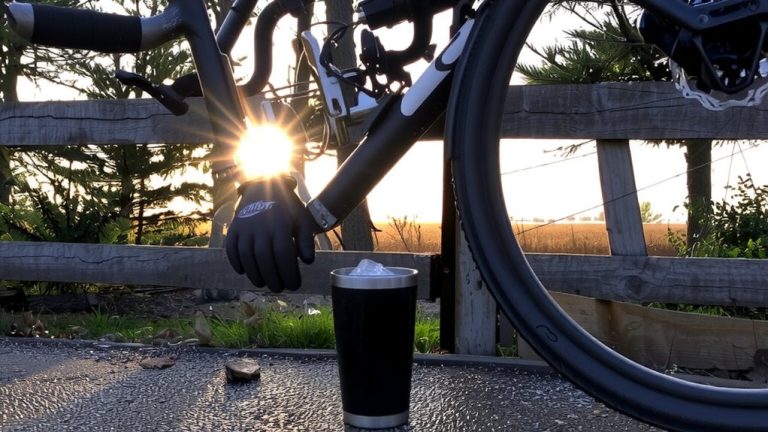
Staying hydrated at elevation means more than just sipping regularly-it also means making sure your water doesn’t freeze solid when temperatures drop below 32°F (0°C). In freezing conditions, use insulated water bottles or wide-mouth Nalgene bottles-they’re less prone to ice blockages than narrow spouts. Store them upside down; the trapped air above the water slows freezing at the cap. Drop a pinch of sugar or add electrolyte mix to lower the freezing point slightly. Insulated hydration reservoirs help, too-run the drinking tube inside your jacket to keep it warm and functional. Drink regularly throughout the day; waiting too long means higher freeze risk overnight.
| What You Risk | What You Gain |
|---|---|
| Frozen water | Reliable hydration |
| Blocked tube | Easy sipping |
| Dehydration | Peak performance |
Check Urine Color for Real-Time Hydration Feedback
How’s your urine color looking halfway up the peak? At high altitude, your urine color is a simple, real-time indicator of hydration status-pale yellow means you’re on track, while dark yellow or amber signals dehydration. Above 8,000 feet, increased respiratory water loss hikes your fluid needs, so check every 2–4 hours. Even if you’re not thirsty, infrequent or low-volume urination means your fluid intake isn’t enough. Dehydration shrinks blood volume, spikes heart rate, and messes with oxygen delivery, worsening fatigue and raising Acute Mountain Sickness risk. Staying hydrated supports acclimatization, keeping your body efficient on long alpine trail loops. Don’t guess-use urine color as your daily guide. Proper hydration means better performance, clearer thinking, and a safer climb.
On a final note
You’ll lose fluids faster above 8,000 feet, so sip 6–8 ounces every 20 minutes, even when you’re not thirsty. Use a 500-milliliter insulated hydration bladder with a tube insulator to prevent freeze-ups. Add one Nuun tablet or ¼ teaspoon of Tailwind to 16 ounces of water for electrolytes. Check your urine: aim for pale yellow. Real testers on the Colorado Trail reported fewer headaches using this strategy.