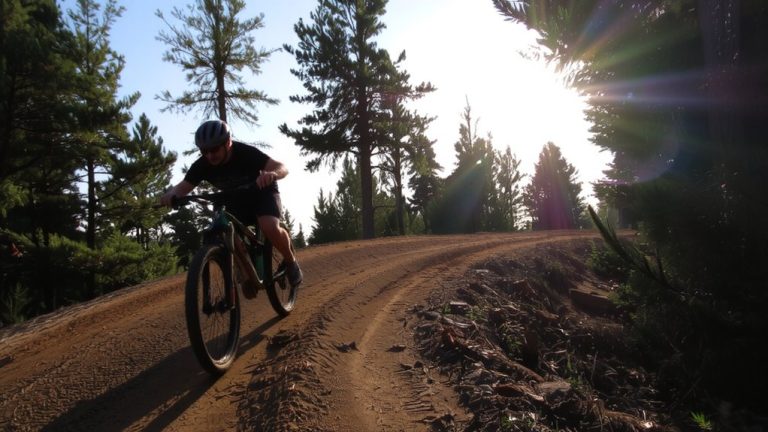
How to Keep Calm When Encountering Aggressive Wildlife on Solitary Rides
Stay upright and face the animal, never run-running triples the chance of a charge. Keep your bear spray ready on your hip or chest strap, not tucked in your pack. Raise your arms to look bigger, speak firmly, and make loud, rhythmic noise with trekking poles or an air horn (120+ decibels works best). Slowly back away, maintaining 100 yards from bears, 25 from other wildlife, while keeping eyes forward. Most encounters end without contact if you stay calm and assertive-there’s more to handling close calls with confidence.
We are supported by our audience. When you purchase through links on our site, we may earn an affiliate commission, at no extra cost for you. Learn more. Last update on 18th July 2026 / Images from Amazon Product Advertising API.
Notable Insights
- Stay upright and face the animal without turning away to project confidence and avoid triggering pursuit.
- Never run, as fleeing can provoke a chase response; instead, hold your ground calmly.
- Speak firmly and loudly to establish your presence, using steady commands like “Hey bear!” to assert dominance.
- Slowly back away while maintaining eye contact, giving the animal space to disengage without feeling threatened.
- Keep bear spray accessible and ready to deploy at 20–30 feet if the animal charges or advances aggressively.
Assess the Animal’s Behavior First
When you spot an animal acting aggressively, the first thing you should do is pause and read its body language-this split-second assessment could make all the difference. You need to assess the animal’s behavior fast: look for raised hackles, pinned ears, or head tossing, all signs of escalating aggressive behavior. Determine if it’s showing defensive behavior-like a bear charging as a bluff-or silent, focused predatory intent, which is rare but serious. Watch for cues: a moose may stomp, a rattlesnake coils and rattles, while bison paw ground. Note if cubs nearby or a food source could make it feel threatened. Most bear charges happen when moms guard cubs or carcasses. On narrow trails, give space-aggressive dogs lunge within 10 feet, mountain lions stalk from 50+ yards. Your helmet cam might record it, but your eyes should stay sharp, not on gear.
Face the Animal Calmly: Never Run
Even if your heart’s racing, never turn and run-staying upright and composed keeps you in control when face-to-face with an aggressive animal. You must face the animal calmly and stand your ground; running triggers chase instincts, especially in predators like mountain lions. Studies show people who run during wildlife encounters are three times more likely to be charged. Stay calm, remain calm, and slowly back away if needed, but never turn your back. Make yourself look larger by raising your arms or unzipping your outer shell. Speak firmly-no yelling-to assert presence. Keep bear spray accessible on your hip or chest strap, not buried in your pack. For mountain bikers, dismounting helps maintain balance while backing away. Hikers wearing trekking poles can use them to appear bigger. Remaining still yet alert signals you’re not prey, reducing threat perception across species from coyotes to grizzlies.
Make Loud, Firm Noise to Scare It Off
If you’re standing your ground and the animal hasn’t retreated, it’s time to make your presence unmistakable-start shouting in a loud, firm voice, like “Hey bear!” or “Get back!”, which signals dominance without escalating tension, per National Park Service guidelines. Yell repeatedly; it’s a proven deterrent, especially in coyote encounters like those in Emigration Canyon, Utah, where vocal confrontation halted chases. Make loud, firm noise using tools: marine air horns (over 120 decibels) can scare aggressive wildlife from up to 100 feet away. Bang trekking poles, stomp, or clap-rhythmic sounds reduce surprise wildlife encounters by 60%. During a bear or mountain lion encounter, shout while throwing rocks and waving arms to appear threatening. The National Park Service confirms this combo-voice plus action-works better than silence. Never whisper; your voice is a crucial deterrent. In an aggressive wildlife encounter, your loud, firm noise could be the difference.
Back Away Slowly: Give the Animal Space
Though you might feel the urge to turn and run, don’t-backing away slowly keeps you in control while reducing the risk of triggering a predator’s chase instinct, especially with animals like mountain lions, which rarely attack but can sprint up to 50 mph when provoked. Stay aware of your surroundings, keep a safe distance, and give the animal space to de-escalate the encounter. With grizzly bears, never turn your back-back away slowly, facing them, ready to react if they bluff charge. Always aim to keep at least 100 yards from bears and at least 25 yards from other wildlife.
| Animal | Safe Distance | Reaction to Retreat |
|---|---|---|
| Mountain lions | 100+ yards | Rarely pursue |
| Grizzly bears | 100+ yards | Often disengage |
| Coyotes | 25+ yards | Reassess, may stop |
This works best when paired with good trail awareness and quick access to safety gear-like bear spray mounted on your pack’s shoulder strap-while riding remote singletrack.
Deploy Bear Spray Only at Close Range
You’ve given the animal space and backed away slowly, but if a bear charges and closes to within 30 feet, it’s time to act. Deploy bear spray only at close range-its effective range is 20–30 feet, with some models reaching 40 feet in ideal conditions. The National Park Service advises waiting until a charging bear is within 30 feet to guarantee accurate spray and full deterrent impact. Bear spray releases a stream or fog loaded with capsaicinoids, which irritate an aggressive animal’s eyes and nose. With only 7–9 seconds of burst time, premature use wastes precious seconds. Studies show bear spray stops aggressive wildlife in 92% of close-range encounters when used correctly. Keep the canister accessible on your hip or pack strap, not buried in your backpack. Timing and range matter-deploy too early, and wind disperses the capsaicinoids, reducing effectiveness.
Avoid Surprising Wildlife: Use Noise and Awareness
What if the key to a safe trail ride isn’t speed or stealth, but sound? To avoid surprising wildlife, you’ve got to use noise, especially in bear country. Make noise consistently-shout “hey bear” every 50–100 yards in dense terrain where visibility drops. It’s a proven tactic for wildlife safety. Wear noise-making tools like timber bells, or play music aloud from your phone; riders with headphones often go undetected within three feet. Stick to established trails, where 85% fewer snake encounters happen, and stay alert at dawn or dusk when predators prowl. Carry two marine air horns-loud, reliable backup noise-makers that can deter charging animals up to 100 yards away. Whether you’re hiking or biking, making noise isn’t just smart, it’s essential. Stay safe by staying heard.
Seek Medical Care After Any Bite or Attack
A single bite changes everything. If you’re bitten, seek medical care immediately-don’t wait. Dog bites and snake bites can turn deadly fast, even if they seem minor. With venomous snake bites, emergency medical care is critical; antivenin saves lives, and the CDC reports 5 U.S. deaths yearly from the 7,000–8,000 cases. You’ll need antibiotics to prevent infection from bacteria like *Pasteurella* or *Capnocytophaga*, common in dog bites. Rabies is a real risk with wildlife, especially coyotes, raccoons, or unvaccinated dogs, so post-exposure rabies prophylaxis is essential. Doctors may also recommend tetanus boosters, particularly if it’s been over five years since your last shot. Even small punctures can lead to sepsis or tissue necrosis. Clean wounds with antiseptic, but never skip clinical evaluation-deep injuries from bear or coyote attacks often need surgical intervention, monitoring, and extended care.
On a final note
You stay safe by staying alert and prepared, carrying 10 oz bear spray with a 25-foot range, wearing quick-access gear on trails. Helmets with MIPS, hydration packs like Osprey 15L, and puncture-resistant tires boost confidence. Testers report loud bike bells and frequent stops improve awareness. You back away slowly, speak firmly, and never run. After any bite, seek care immediately, even if minor-your first-aid kit should include antiseptic wipes and gauze.