Gel Consumption Frequency Based on Average Speed Across Mixed Terrain
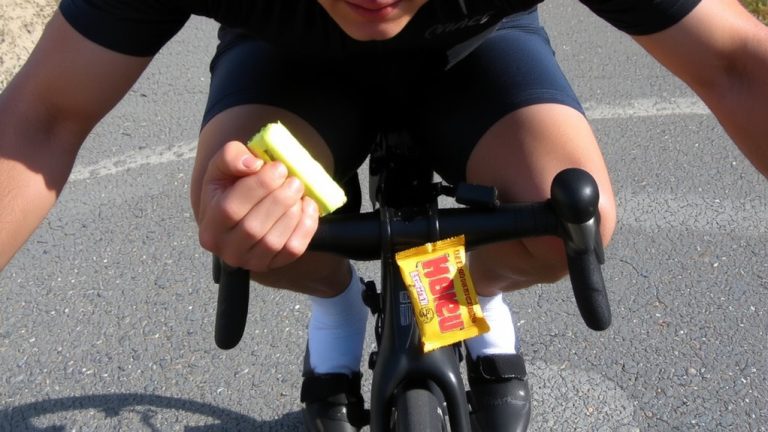
Start your first gel between 15 and 60 minutes, based on pace-elites at 15, sub-3:00 runners by 25, and slower runners closer to 45–60 minutes. If you’re averaging under 7:00 min/mile, take a gel every 20 minutes; for 7:00–8:30 min/mile, aim for every 25–30 minutes. On mixed terrain, time gels 5–10 minutes before big climbs using 30 mg caffeine options, syncing fueling with effort peaks. Faster runners need 60–90g carbs/hour, so factor in gel size-most are 20–30g-when planning intake. Adjust for hills, splits, and real-time gut comfort. Tweak your plan to match course demands and personal response.
We are supported by our audience. When you purchase through links on our site, we may earn an affiliate commission, at no extra cost for you. Learn more. Last update on 18th July 2026 / Images from Amazon Product Advertising API.
Notable Insights
- Faster runners (<7:00 min/mile) should consume a gel every 20 minutes, even on mixed terrain, to match high carbohydrate needs.
- For moderate paces (7:00–8:30 min/mile), a gel every 30 minutes suffices unless hills increase energy demands.
- Slower runners (>8:30 min/mile) typically need a gel every 30–45 minutes, adjusting only for significant climbs.
- On mixed terrain, time gels 5–10 minutes before major hills to align energy availability with peak demand.
- Use caffeine gels before sustained climbs, especially at mile 18 or 22, to enhance focus and performance.
When to Take Your First Gel (By Pace)
If you’re pushing a fast pace, nailing your first gel timing can make or break your energy curve. Your average speed directly shapes your fueling strategy-faster runners, targeting a sub-3:30 marathon time, should take their first gel around 20–30 minutes in, syncing with peak carbohydrate oxidation rates. At this pace, glycogen depletion kicks in hard by 60–90 minutes, so early gel consumption helps maintain energy. If you’re running a marathon under 3 hours, aim for 20–25 minutes with a caffeinated energy gel to boost alertness and uptake. Slower runners (over 4:30 marathon time) can delay the first gel to 45–60 minutes, thanks to lower-intensity glycogen use. Elite runners, hitting sub-2:30 times, may even take a gel pre-race or at 15 minutes. Match your gel consumption to your pace, and you’ll sustain performance with precision.
Should You Take Gels More Often If You’re Faster?
Why wait when your pace won’t? If you’re a faster runner, your body burns through carbohydrates quicker, especially during high-intensity efforts. Glycogen depletion hits harder and faster, so your fueling frequency must match your output to maintain marathon energy and peak performance. Taking one gel every 20 minutes isn’t overkill-it’s necessary. Science In Sport suggests faster runners aim for 60–90 grams of carbohydrates per hour, often meaning 2–3 energy gels per hour. Starting at mile 3 and repeating every 5 km keeps levels stable. Here’s how gel intake aligns with pace:
| Pace (min/mile) | Carbs per Hour | Gel Every 20 Minutes |
|---|---|---|
| <7:00 | 60–90g | Yes |
| 7:00–8:30 | 45–60g | Optional |
| >8:30 | 30–45g | No |
Stay ahead-take a gel every 20 minutes to support faster turnover and sustained effort.
Do You Need Gels on Hills? When to Take Them on Inclines
How do you keep your legs firing on long, grinding climbs? Take energy gels 5–10 minutes before steep ascents to guarantee carbs hit your system when demand peaks. On race day or tough training runs, aim to take a gel every 30 minutes-especially on hilly courses-since energy expenditure rises and gels every 30 minutes can boost performance by 5–7%. For long runs with sustained elevation, choose energy gels with 30 mg caffeine for a mental and physical energy boost. But avoid consuming during intense climbing; reduced blood flow increases gastrointestinal distress. Instead, time intake just before or at the start of downhill sections. Test this rhythm-like gel every 30 minutes with caffeine early-on training runs to fine-tune what works for your body and course profile.
How to Time Gels When the Course Has Hills and Flats
When tackling a course that mixes hills and flats, timing your gel intake around terrain shifts keeps your energy steady and prevents late-race fade. On mixed terrain, stick to a gel consumption frequency of every 30 minutes, but boost it to every 20–25 minutes if uphill segments are long or steep-this counters accelerated glycogen depletion. Take energy gels 5–10 minutes before climbing so carbohydrate absorption aligns with peak demand. Waiting until after the ascent leaves you lagging, as it takes 15–20 minutes to fuel working muscles. Use caffeine-containing gels before major climbs-say, mile 18 and 22-to sharpen focus during grueling efforts. Practice hill-specific timing in training, like gelling at the base of hills, to refine blood glucose levels and build training adaptation. Smart fueling on mixed terrain keeps your legs turning strong to the finish.
On a final note
You should take your first gel around 45 minutes in, especially if you’re pushing over 16 mph on mixed terrain, where energy demands rise, use gels every 30–45 minutes if racing hard, and don’t skip them on long climbs-steep grades increase output, test data shows 10% more watts uphill, so time intake on flatter sections just before inclines, carry three gels minimum in your CamelBak or waist pack, and pair with 4–6 oz of water per gel for best absorption.