Establishing Safe Distances Between Cooking Area and Sleep Site
Keep your cooking area at least 100 feet (30 meters) from your tent-61 meters or more in bear country-to reduce wildlife risks, fire hazards, and lingering odors. Place it downhill and downwind, using natural barriers like streams. Stay 15 feet from gear, clean surfaces fast, and pack out waste. Use a BearVault BV500 or Garcia canister for food storage. Cooking too close exposes your tent to grease, rodents, and flames that ignite at 500°F. There’s more to optimizing camp layout the right way.
We are supported by our audience. When you purchase through links on our site, we may earn an affiliate commission, at no extra cost for you. Learn more. Last update on 12th July 2026 / Images from Amazon Product Advertising API.
Notable Insights
- Maintain a minimum distance of 100 feet (30 meters) between cooking and sleeping areas in general backcountry settings.
- In bear country, position the cooking site at least 200 feet (61 meters) from the sleep site to reduce wildlife encounters.
- Place the cooking area downhill and downwind of the tent to minimize odor and smoke exposure.
- Use natural barriers like streams or dense vegetation to enhance separation between cooking and sleeping zones.
- Store food, cookware, and scented items in bear-resistant containers away from both cooking and sleeping areas.
How Far Should You Cook From Your Tent?
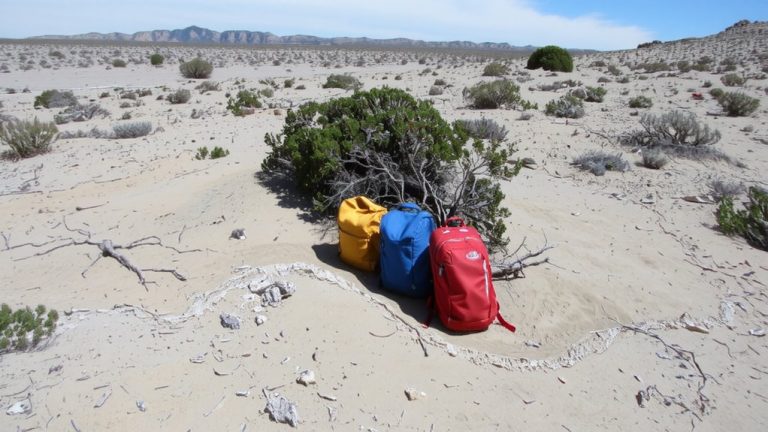
While you might be tempted to cook right next to your tent for convenience, especially when the weather turns, keeping your cooking area at a safe distance is one of the smartest moves you can make in the backcountry. To Cook Food safely, make sure you’re at least 100 feet (30 meters) from your sleep site-61 meters or more is even better in bear country. The BSA recommends this separation for eating, cooking, and sleeping zones to prevent attracting rodents, insects, or larger wildlife. Store food and cook away from camp, ideally with a natural barrier like a stream or thick brush between areas. This simple practice keeps odors out of your sleeping zone, reduces contamination risks, and improves overall safety. Real backpackers confirm it works-after dozens of trips, testers reported fewer nighttime visitors when they made their kitchen well downhill and downwind. So whenever you Cook Food, make sure you’re far enough away to stay safe and sleep sound.
Why You Should Never Cook Near Your Tent
You’re far better off setting up your stove well away from your tent, because cooking nearby dramatically increases the odds of drawing in wildlife with lingering food smells, especially in bear country where keeping cooking and sleeping zones 200 feet (61 meters) apart isn’t just smart-it’s often required. Cooking near your tent risks contaminating your sleep space with grease and food odors that cling to fabric, attracting rodents and insects even after cleanup. Worse, open flames or hot stoves near synthetic tent materials create a serious fire hazard-many ignite at temperatures as low as 500°F. Prioritizing health and safety means storing food, cooking, and eating far from your tent. This simple habit isn’t just about comfort; it’s a tested backcountry standard that protects you and preserves wilderness ethics. Keep cooking near your tent off the menu-your health and safety depend on the distance.
How to Set Up a Safe Cooking Area
Keep your cooking area smartly positioned to protect both your safety and your sleep, especially when you’re deep in bear country where staying 200 feet (61 meters) away from your tent is more than just advice-it’s a must. Set up your cooking area downwind and downhill from camp to keep smoke, odors, and sparks away from sleeping zones. Stay at least 15 feet (4.6 meters) from tents and gear to reduce fire risk from stoves like the MSR WhisperLite or Jetboil. Always clean surfaces and pack out food waste immediately. Store all scented items, cookware, and food in bear-proof containers-think Garcia or BearVault models-well away from your tent. That 200-foot rule isn’t just for food; it includes anything with a smell. A smart cooking area keeps critters at bay, minimizes hazards, and keeps your backpacking experience safe, simple, and stress-free.
Food Storage Rules in Bear Country
Because bears have an incredible sense of smell-up to 2,000 times better than humans-you’ve got to store your food right, and that means keeping it at least 200 feet (61 meters) from your sleeping area, just like park rangers in Yosemite and Yellowstone insist. Proper food storage isn’t optional: use bear-resistant containers approved by the Interagency Grizzly Bear Committee, or hang a bear bag 10 feet high and 4 feet from tree trunks. In many backcountry zones, like those managed by the U.S. Forest Service, bear-resistant containers are mandatory for all food, trash, and scented items. Some campsites offer permanent storage cables or lockers-use them. Skipping these rules risks $5,000 fines and triggers human-bear conflicts. Testers in the Sierra confirm canisters like the BearVault BV500 work reliably, with durable polycarbonate shells and smooth twist-open bases. When you follow food storage rules, everyone-campers and wildlife-stays safer.
Mistakes That Put Your Tent Too Close to the Fire
While it might seem smart to pitch your tent close to the fire for extra warmth on a cold night, doing so within 200 feet of your cooking area in bear country dramatically raises the risk of wildlife encounters, especially when food odors cling to cookware, jackets, or sleeping bags. You might make the mistake of setting up near the fire ring for comfort, but that proximity reduces natural insulation and exposes your shelter to sparks. Even a well-contained fire can throw embers, igniting lightweight tent fabrics. Heat radiation also degrades nearby gear over time. Scouting guidelines stress keeping cooking, fire ring, and sleep sites at least 200 feet apart-this distance minimizes fire risks and keeps food smells out of your sleeping zone. Storing cookware and odorous items away from your tent further cuts the chance of attracting bears. Plan your camp layout ahead, using terrain features to separate zones safely and efficiently.
On a final note
Keep your cooking area at least 200 feet from your sleep site to avoid attracting wildlife, especially in bear country. Use bear canisters or hang food properly, and never store snacks in your tent. Set up camp stoves on stable, flat ground away from flammable materials. Invest in a compact, wind-resistant stove like the MSR PocketRocket 2 for reliability. Always follow trail rules, pack smart, and stay safe-your gear and habits make all the difference.