Energy Needs for Women Cyclists Tackling Weeklong Bikepacking Trips
You’re burning 2,500–5,000 calories daily on a weeklong bikepack, especially during your luteal phase when needs spike. Fuel every 20–30 minutes with 60–90g carbs from energy chews, dates, or Skratch Labs mixes to avoid bonking. Hit 1.2–1.8g protein per kg of body weight, using chocolate milk or nut butter wraps post-ride. Sip 0.5–1 liter of water hourly, even in cold weather, and pack calorie-dense cheese, coconut oil, or jerky in ziplocks-there’s more where that came from.
We are supported by our audience. When you purchase through links on our site, we may earn an affiliate commission, at no extra cost for you. Learn more. Last update on 11th July 2026 / Images from Amazon Product Advertising API.
Notable Insights
- Women cyclists need 2,500–5,000 calories daily on weeklong trips, with higher demands during the luteal phase.
- Consume 60–90g of carbs per hour during rides, prioritizing complex and mixed glucose-fructose sources.
- Maintain a 50–65% carb, 15–25% protein, 20–35% fat macronutrient balance for sustained energy.
- Hydrate with 0.5–1 liter of fluid per hour, using electrolytes and water to prevent dehydration.
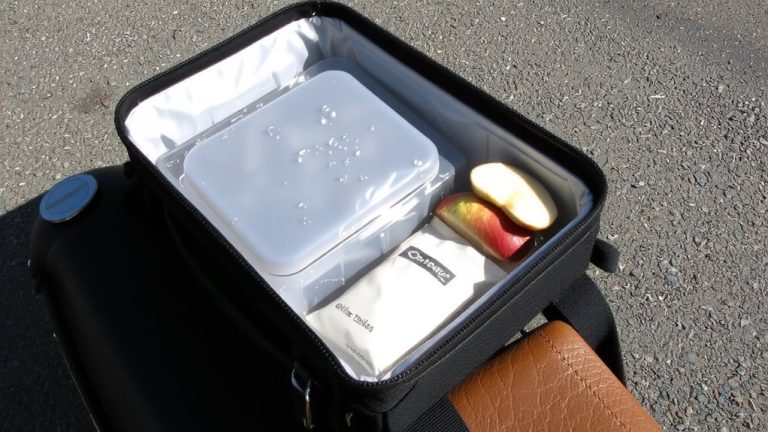
- Pack calorie-dense, real foods like nuts, cheese, and peanut butter to prevent flavor fatigue and support fueling.
Fuel Up: Why Women Cyclists Burn More on Long Rides
Why do you feel drained halfway through a long ride, even when you’ve been “eating enough”? You might be underfueling without realizing it. Women cyclists on multi-day trips burn 2,500–5,000 calories per day, with energy levels dipping fast if nutrition lags. Hormonal fluctuations, especially in the luteal phase, raise metabolic demands, increasing your daily caloric needs by hundreds. Sports nutrition isn’t optional-it’s survival. Your primary fuel should be complex’ carbohydrates, making up 50–65% of calories, delivering steady energy over multiple days. Aim for 60–90g per hour while riding to maintain blood glucose. Real testers report fewer bonking episodes when packing carb-dense bars, like Clif Bloks or Osmo Energy, and using insulated water bottles to prevent gels from gelling in cold weather. Proper fueling keeps core temperature stable and performance high, trail after trail.
Balance Your Macros for Lasting Energy
You’ve nailed your carb intake during long rides, but if your energy still fades by midweek, it’s time to look at the full picture: balancing your macros. Aim for 50–65% carbohydrates, 15–25% protein, and 20–35% fat to sustain effort. You need 60–90 grams of carbohydrates per hour, ideally from mixed glucose-fructose sources like energy chews or dates. Pair that with 1.2–1.8 grams of protein per kilogram daily, hitting a 3:1 carb-to-protein ratio post-ride with chocolate milk or a wrap with nut butter. Don’t skip fat-add coconut oil (120 calories/tbsp) or cheese to meals for dense, packable fuel. Balance your macros with real foods like tortillas, jerky, and trail mix so you avoid flavor fatigue. Practice your nutrition on training rides, and skip heavy reliance on electrolyte replacement alone-it won’t cut it without proper fueling.
Hydrate Right: Water and Electrolytes for Women
How do you stay sharp on long climbs when the heat’s sapping your focus or the cold’s masking your thirst? To hydrate right, you need to drink water and replace what you lose electrolytes, especially over consecutive days. You need to drink 0.5–1 liter per hour, more in heat, less in cold-but make sure even in temps below 25°F, you’re sipping. Dehydration hits fast: at just 2% body weight loss, performance drops. Keep the right balance by alternating electrolyte drinks with plain drinking water. Use 4 Skratch Labs packets daily or similar. Watch for dark urine-within the first few hours of riding, that’s a red flag.
| Symptom | Action |
|---|---|
| Not thirsty in cold | Make sure to sip |
| Cramping | Drink electrolytes |
| Dark urine | Hydrate right now |
| Headache | You need to drink |
| No urination | Add sodium, hydrate |
Eat Real Food That Fits Your Ride
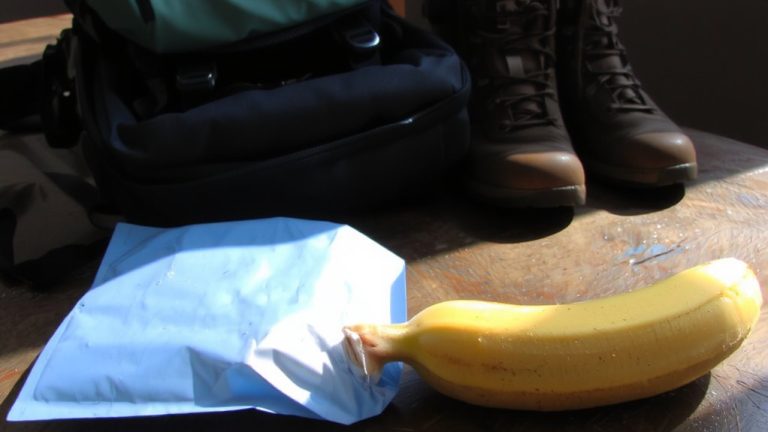
Staying hydrated isn’t just about fluids-it’s part of a bigger picture that includes fueling your body with real food that matches the demands of your ride. On multi-day bikepacking adventures with thousands of feet of climbing, you need calorie-dense foods like nuts, cheese, and peanut butter-120–150 calories per ounce helps hit 3,000–5,000 kcal/day. You’ll really enjoy savory options like tortillas with beans or jerky, which prevent flavor fatigue over several days. Snack every 20–30 minutes on bananas, cookies, or chocolate for quick carbs. At resupply points, add to meals with pre-cooked rice packets, canned tuna, or boil-in-bag options-no refrigeration needed. Ditch bulky packaging; repack into ziplocks to save space and weight. These nutrition strategies keep energy steady, even when your only luxury is a cup of coffee at dawn.
On a final note
You’ve got this: dial in your fuel with 30–60g carbs/hour from bars like Honey Stinger or real food like wraps, pair them with 15–20g protein at meal stops, and sip electrolyte drinks like Tailwind every 15 minutes in heat. Pack a lightweight vest like the Salomon Adv Skin 5 for easy access, choose wide-drop bars for control on rough trails, and test your setup on backcountry singletrack before committing. Smart energy choices keep you strong, steady, and smiling to the finish.