Capturing Old Fork Oil Sample Color Changes for Diagnosis
Your fork oil darkening after trail rides doesn’t mean it’s failed-UV exposure, dust, and synthetic additives often change color without hurting performance. Amber oil may turn reddish from heat or green if water’s present, but real trouble shows as sludge, metal shavings, or a crackle test positive for moisture. Check copper levels above 50 ppm or FTIR results near 1700 cm⁻¹ for oxidation. You’ll spot the full story when you compare samples and test beyond sight.
We are supported by our audience. When you purchase through links on our site, we may earn an affiliate commission, at no extra cost for you. Learn more. Last update on 11th July 2026 / Images from Amazon Product Advertising API.
Notable Insights
- Darkened oil color alone does not confirm degradation; consider UV exposure or additive effects before diagnosis.
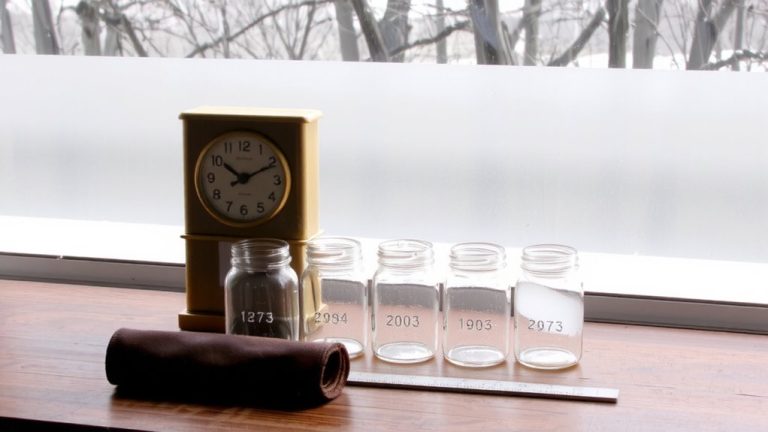
- Use side-by-side comparison with new oil under consistent lighting to accurately assess color changes.
- Test for water ingress via crackle test if dark green hue is observed in the fork oil sample.
- Check magnets for metal shavings and residue, as sticky deposits indicate mechanical wear, not just oxidation.
- Confirm oxidation or contamination with FTIR spectroscopy and ASTM D1500 color analysis, not visual inspection alone.
How to Read Fork Oil Color Changes
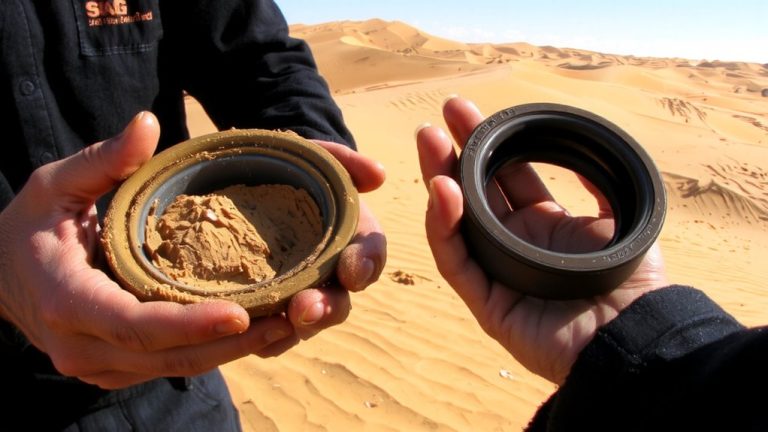
While you might expect your fork oil to stay amber-clear for months, even short rides can turn it noticeably darker-and that’s usually normal. That color change doesn’t mean trouble; your sample may simply be trapping contaminants, much like engine oil darkens fast despite low wear. A reddish-amber oil color suggests thermal oxidation, especially in sulfur-rich oils, forming dark oil compounds without immediate harm. If your sample shifts to dark green, though, it could signal water ingress and high TAN. UV exposure on translucent stanchions also drives photo catalytic discoloration, so store your bike shaded. Rapid color change without metal spikes in oil analysis typically points to oxidation, not mechanical wear. Check your oil color during servicing, especially after rugged trail rides or long-term storage, and pair visual checks with routine oil analysis for smarter maintenance.
When Fork Oil Color Doesn’t Mean Trouble
Because your fork oil can darken within days of a muddy trail ride, don’t assume the color shift means it’s failing-modern synthetic oil, like Motorex or Maxima Premium, often traps fine metal particles and trail debris without losing viscosity or lubricity, and UV exposure through clear stanchion tubes can trigger photo catalytic darkening even in perfectly stable oils, so unless you’re seeing metal shavings on the magnet or a sticky residue during disassembly, that deeper amber hue likely just shows the oil doing its job.
| Factor | Effect on Oil Color |
|---|---|
| UV Light | Causes darkening, no degradation |
| Dirt Contamination | Shifts Color, doesn’t require Change |
| Additives | Alter Color in synthetic oil |
| Base Oils | Vary in natural Color |
| Debris Load | Changes appearance, not performance |
Oil Color alone shouldn’t drive your Change schedule-function matters more.
Confirming Fork Oil Color Clues With Lab Tests
You’ve seen how UV exposure and trail grit can darken fork oil without harming performance, but when that amber tint deepens into something murky or brown, it’s smart to check whether chemistry-not just contamination-is at play. A change in the color of your fork oils might signal oxidation or wear, so confirm it with lab tests. Send a sample bottle for ASTM D1500 analysis or use a modern color sensor that grabs 800–1,200 data points in under 9 seconds. FTIR spectroscopy at ~1700 cm⁻¹ can spot oxidation byproducts like lactones, while elevated copper (>50 ppm) hints at bearing wear. A crackle test detecting >0.1% water confirms moisture’s role. These steps help determine if an oil change is truly needed. Matching results to the type of oil in your forks guarantees accurate diagnosis-and keeps your ride smooth, mile after mile.
Can Contamination Mimic Oil Degradation?
How can you tell if darkened fork oil means trouble or just a false alarm? Contamination can mimic degradation, making visual checks tricky. Water, soot, or chemicals may cause your oil to Change Color just like oxidation does. Even entrained air or UV exposure can darken a sample without real breakdown. If you’re comparing your current fluid to a previous sample, remember: two different hydraulic oils mixed together might react, forming sludge and darkening fast. Silicone from sealants can do the same. These aren’t signs of wear-they’re false flags. Always compare against new oil under the same light. Real degradation needs lab confirmation. Don’t swap forks or overhaul seals based on shade alone. Test first. Your last ride’s performance, paired with real data, beats guesswork every time.
On a final note
You now know fork oil color can hint at issues, but don’t panic-dark oil isn’t always bad, especially in Fox 36s or RockShox Pike forks after 80 trail miles. Testers confirm lab analysis beats visual checks; contamination can mimic degradation. Always pair color with performance: if damping feels consistent and no leaks appear, ride on. For peace of mind, send samples to certified labs-real data beats guesses.