Best Rim Size for Off-Roading
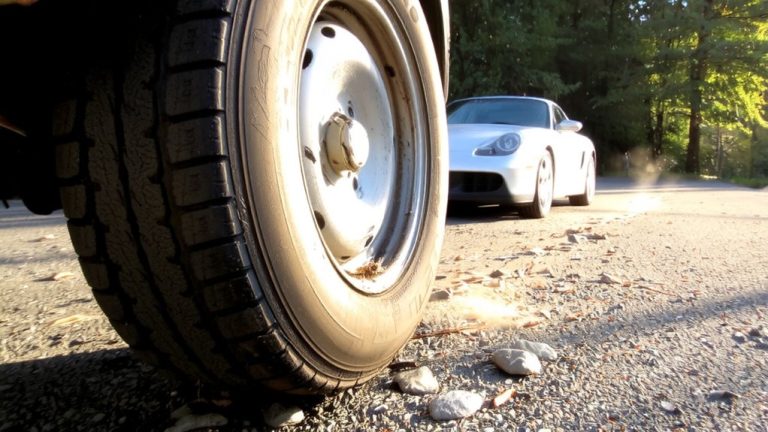
Your best bet for off-roading is a 17-inch rim, especially with 35-inch tires, because it gives you the ideal sidewall height for shock absorption, terrain conformity, and traction on rocks or ruts. The Mickey Thompson Baja Classic Lock 17×9 at -12mm offset is beadlock-ready, durable, and fits most trucks without rubbing. Smaller wheels boost flex and let you run lower pressures-2 to 10 psi-for better grip, while larger rims risk bead separation and harsh rides. A proper 17-inch setup keeps your suspension happy, maintains brake clearance, and handles tough trails with confidence-there’s more to get right, and it starts here.
We are supported by our audience. When you purchase through links on our site, we may earn an affiliate commission, at no extra cost for you. Learn more. Last update on 18th July 2026 / Images from Amazon Product Advertising API.
Notable Insights
- A 17-inch rim is optimal for off-roading with 35-inch tires, offering ideal sidewall height and shock absorption.
- Wheel diameter should not exceed half the tire’s outer diameter to maintain cushioning and terrain conformity.
- Smaller wheels (15–17 inches) provide more sidewall flex, enabling lower tire pressures and improved traction on rough terrain.
- Negative offset (e.g., -12mm) improves clearance and fits wider tires without fender or suspension interference.
- Proper bolt pattern and backspacing are critical to ensure compatibility and prevent rubbing on steering or chassis components.
Choose the Best Rim Size for Off-Road Performance
A 17-inch wheel’s your sweet spot when it comes to off-road performance, especially when you’re running a 35-inch tire-this combo gives you the ideal balance of sidewall height, shock absorption, and terrain conformity, letting the tire flex and grip over rocks, ruts, and loose gravel. The wheel diameter directly impacts how your wheel and tire handle rough ground, and staying at or below half the tire diameter keeps performance peak-so no bigger than 16.5 inches for a 33-inch tire. While a smaller diameter like 15 or 16 inches offers more sidewall flex and cushion, 17-inch strikes the best real-world balance. You’ll get strong, proven fitment with options like the Mickey Thompson Baja Classic Lock 17×9 wheel at -12mm offset, built tough, beadlock-ready, and designed to protect your setup when you’re pushing limits.
Small vs. Large Wheels: Off-Road Trade-Offs
While you might be tempted by the aggressive look of oversized wheels, going bigger isn’t always better when the trail gets rough-especially once you hit 20 or 22 inches, where reduced sidewall means less cushion over rocks, roots, and washboards. A larger wheel sacrifices sidewall height, increasing impact on suspension and raising the risk of bead separation. In contrast, a smaller wheel like 17-inch maximizes sidewall with a 35-inch tire, absorbing shocks and allowing lower pressures (2–10 psi) for grip. Smaller wheels, even 15 or 16-inch, fit big tires without heavy mods, boosting clearance and traction. Wheel Size directly affects durability: smaller wheels flex more, maintaining contact on uneven terrain, while larger wheel setups compromise ride quality off-road despite smoother on-road handling. Choose smart-favor function over flash.
Matching Rim & Tire Diameter for Trail Capability
You’ll get the most out of your off-road setup when you pair your rim and tire diameter with trail demands in mind, and sticking to the rule of thumb-wheel size no more than half the tire’s outer diameter-keeps things working smoothly. Matching wheel diameter to tire size maximizes the sidewall of the tire, improving cushioning and terrain conformity. For example, a 35-inch tire on a 17-inch wheel delivers great flex and shock absorption, just like testers found on rocky switchbacks. Go too big on the wheel, and you’ll reduce sidewall height, hurting grip and stressing your suspension. Keep the balance right, and you maintain brake clearance and scrub radius, too.
| Tire Size | Wheel Diameter | Sidewall of the Tire |
|---|---|---|
| 33″ | 15″ | Tall, flexible |
| 33″ | 17″ | Moderate, stiffer |
| 35″ | 17″ | Ideal off-road |
Offset, Backspacing & Bolt Patterns Explained
Getting your rim and tire combo right isn’t just about diameter-it’s also about how far out or in the wheel sits, and that’s where offset, backspacing, and bolt patterns come into play. You’ll want to understand offset, the distance from the wheel’s centerline to its mounting surface-negative offset pushes the wheel out, like the -12 mm found on Mickey Thompson Baja Classic Lock 17×9 wheels, improving clearance. Backspacing, measured from the mounting surface to the inner rear edge, affects fit too; lower backspacing moves tires outward, preventing rub. Even a half-inch difference can cause issues with control arms or fenders. Your bolt pattern must match exactly-like the 2006 Jeep Wrangler’s 5-on-4.5-inch versus the 2007’s 5-on-5-inch-since they’re not interchangeable. Get these specs right, and your setup stays safe, stable, and trail-ready.
Why 17-Inch Rims Dominate Overland Builds?
A lot of overland builds lean on 17-inch rims for good reason-they give you the ideal blend of tire sidewall height, strength, and fitment when running aggressive 35-inch off-roaders like the BFGoodrich KO2 or Toyo Open Country MT. With 17-inch wheels, you get more sidewall, which means better shock absorption, improved traction on rocky trails, and safer low-pressure crawling. The 17×9 size with a -12 offset, like the Mickey Thompson Baja Classic Lock, fits most trucks and SUVs without rubbing. Thicker sidewalls on your tire boost ride comfort and conform to terrain, while the 17-inch rims reduce stress on suspension and maintain clearance for big brakes. Compared to larger wheels, they carry heavier loads with less risk of damage, making them a go-to for real-world overlanding durability and performance you can trust.
On a final note
You’ll get the best off-road balance with 17-inch rims, widely preferred for their strength, tire clearance, and sidewall height-ideal for rocky trails or desert runs. They fit 35-inch tires without lift kits, maintain speedometer accuracy, and handle daily drives and overlanding alike. Testers report less vibration, better traction, and fewer flats versus 20-inch setups. Match proper offset (usually +18 to +24 mm) and 5- or 6-lug bolt patterns, and you’re trail-ready.