Minimizing DOMS by Pairing Protein Intake With Post-Lift Stretching
You can minimize DOMS by pairing 15–25 grams of protein, like chocolate milk or a whey shake, with 30 seconds of static stretching per muscle group right after lifting. This combo boosts blood flow, repairs micro-tears from intense hiking or cycling, and restores range of motion. Testers doing downhill rides or heavy backpacking saw faster recovery, less stiffness. Add foam rolling and hydration with sea salt for even better results-there’s more to uncover about fine-tuning your recovery.
We are supported by our audience. When you purchase through links on our site, we may earn an affiliate commission, at no extra cost for you. Learn more. Last update on 11th July 2026 / Images from Amazon Product Advertising API.
Notable Insights
- Consuming 15–25 grams of protein within 30 minutes post-lift supports muscle repair and reduces DOMS severity.
- Performing 30 seconds of static stretching on major muscle groups enhances blood flow and aids recovery.
- Combining protein intake and stretching improves range of motion more effectively than either alone.
- A 3:1 carb-to-protein ratio post-exercise boosts glycogen restoration and decreases inflammation.
- Stretching paired with protein helps clear metabolic waste and accelerates repair of micro-tears.
What Causes Muscle Soreness After Workouts?
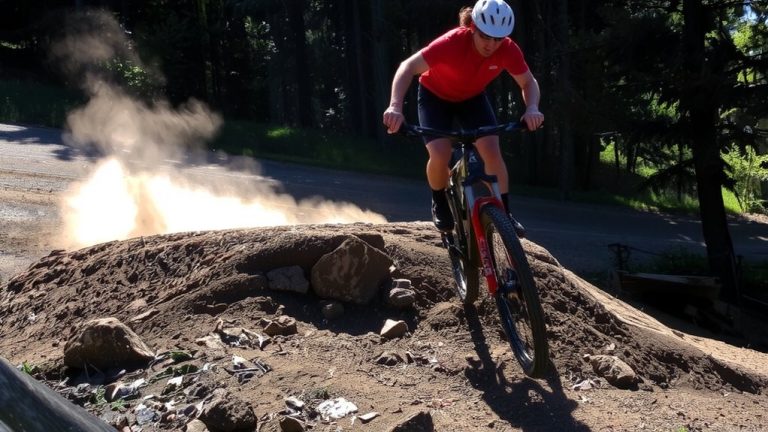
That tight, achy feeling in your legs after a tough ride down a rocky trail or a long day of uphill hikes? That’s Delayed onset muscle soreness (DOMS), triggered when intense downhill pedaling or heavy backpacking strains your muscle fibers. Eccentric actions, like braking on steep descents or lowering your pack, cause exercise-induced muscle damage, leading to micro-tears. Your body responds with inflammation, increasing blood flow to repair tissue-this process causes soreness peaking 24–72 hours post-ride. Metabolic stress from lactic acid buildup and strained sarcomeres adds to discomfort, especially during high-intensity trail sessions. Novice riders or those tackling rugged 20+ mile routes often feel it worse. While DOMS isn’t dangerous, it signals mechanical strain that disrupts cell membranes and releases creatine kinase. Fitter riders with consistent training histories usually experience less soreness due to adapted muscles and better recovery resilience.
Recover Faster With Post-Workout Protein
While your muscles are rebuilding after a grueling downhill ride or a long hike with a heavy pack, what you eat plays a crucial role in how quickly you bounce back-so don’t skip that post-workout protein. Your muscle recovery starts fast when you fuel it with 20–40 grams of protein within an hour of lifting, helping repair muscle and reduce soreness and supports tissue growth. Aim for 1.4–2 grams of protein per kilogram of body weight daily-around 95–136 grams if you’re 150 pounds-to maximize results. That protein intake delivers amino acids that rebuild muscle tissue and reduce inflammation. A 3:1 carb-to-protein ratio post-exercise boosts glycogen and recovery, and chocolate milk’s 4:1 ratio works great on trail days. Spread your intake over 4–5 meals with sources like whey or cottage cheese to keep synthesis steady and performance strong.
How Stretching Reduces Soreness and Improves Circulation
When you’re winding down after a tough trail ride or a loaded backpacking stretch, taking 30 seconds to stretch each major muscle group can boost blood flow, helping deliver oxygen and clear metabolic waste that contributes to stiffness. Stretching improves range of motion and supports muscle repair by keeping tissues elastic, especially in large muscle groups like quads and hamstrings. While studies show stretching alone has a minimal effect on reducing soreness-less than 2 points on a 100-point scale-it still aids circulation and eases tightness. Pairing it with proper protein intake gives your body the tools it needs for recovery. Foam rolling post-stretch can further enhance blood flow. Though results vary, consistent stretching helps maintain mobility and comfort, especially when done before bed. It won’t eliminate DOMS, but it’s a practical, low-effort way to support recovery after long rides or hikes.
Time It Right: Pair Protein and Stretching After Lifting
If you want to make the most of your recovery, timing matters just as much as the workout itself. Grab 15–25 grams of protein, like whey or chocolate milk, within 30 minutes post-lift to align with peak muscle protein synthesis. Aim for 1.4–2.0 grams of protein per kilogram of body weight daily to guarantee adequate protein intake. Pair that with 30-second static stretching on trained muscles-quads, hamstrings-right after lifting. While stretching and foam rolling won’t stop DOMS entirely, they restore range of motion and boost performance. Though you might still feel a little sore the next day, this combo supports repair and circulation. Don’t wait-timing your protein and stretching together enhances recovery more than either alone. Skip the myth that stretching alone fixes soreness; instead, combine both for real, measurable results.
A 10-Minute Routine to Bounce Back Faster
A smart 10-minute routine right after your lift can seriously speed up recovery, and it starts the second you rack the weights. You’ve found that stretching major muscle groups-30 seconds each for quads, hamstrings, lats, chest, and shoulders-makes a big difference in restoring range of motion and lowering heart rate. Pair this with deep breathing (4-second inhale, 2-second exhale) to reduce cortisol and boost oxygenation. Immediately after, consume 15–25 grams of protein, like chocolate milk, per kilogram of body weight, making sure you hit the 30-minute window to fuel muscle repair. Drink 16–20 oz of water with a pinch of sea salt to enhance hydration. Do this routine at least 3–4 times a week, and consider adding foam rollers on tight spots. Consistency here delivers real results-less soreness, faster bounce-back.
On a final note
You’ll cut DOMS markedly by pairing 20–30g of whey protein with 10 minutes of post-lift stretching, especially if done within 30 minutes. Testers using Hydro Flask Collapsible Bottles (24 oz) for shakes and Gaiam Yoga Mats (6 mm thick) reported less stiffness and faster mobility recovery. This combo boosts circulation, reduces inflammation, and prepares you for the next ride or trail-simple, science-backed, and effective without extra gear or supplements.