Debunking Myths About Detox Diets for Active Mountain Athletes
Your liver handles over 500 toxins daily, and your kidneys filter 120–150 quarts of blood-no detox juices or supplements needed. These natural systems work fine, even during long trail runs or big mountain climbs. Detox diets often strip out whole grains, lean proteins, and healthy fats, leaving you low on fuel, risking muscle loss, dizziness, or worse, RED-S. Skip the fasts and magic pills; they don’t boost performance. Focus instead on real nutrition, hydration, and fiber-rich foods like beans and chia seeds-your body already has the ultimate cleanup crew, and the full story reveals how to back it with science-smart habits.
We are supported by our audience. When you purchase through links on our site, we may earn an affiliate commission, at no extra cost for you. Learn more. Last update on 18th July 2026 / Images from Amazon Product Advertising API.
Notable Insights
- Detox diets don’t enhance toxin removal, as the liver and kidneys naturally eliminate toxins without dietary intervention.
- Weight loss from detoxes is mostly water and muscle, not fat, which can impair athletic performance and recovery.
- Registered dietitians classify detox diets as myths, lacking essential nutrients like whole grains, proteins, and healthy fats.
- Extreme detox regimens can cause low blood sugar, dizziness, and electrolyte imbalances, increasing injury and arrhythmia risks.
- Fiber, hydration, and whole foods support natural detoxification better than restrictive diets or unproven detox supplements.
Why Mountain Athletes Don’t Need Detox Diets
Toxins aren’t the problem-you’re already equipped to handle them. Detox diets won’t help you remove toxins any better than your body already does, and a registered dietitian will tell you they’re just another of the many nutrition myths out there. You’re not gaining lasting weight loss-it’s fluid and muscle loss from skipping meals, not fat reduction. These restrictive plans often lack whole grains, lean proteins, and healthy fats while cutting out essential nutrients found in whole, unprocessed foods. Worse, some supplements in detox products can cause electrolyte imbalances. For mountain athletes burning 3,000+ calories a day on rugged trails or long climbs, that kind of imbalance hurts endurance and recovery. There’s zero evidence these diets lead to reduced inflammation or improved performance. Focus instead on consistent fueling-think complex carbs, quality hydration, and real food-to sustain energy on multi-hour rides or alpine routes.
How Your Liver and Kidneys Naturally Remove Toxins
Your body’s built-in cleanup crew works around the clock, and it’s way more advanced than any juice cleanse or detox pill could ever claim to be. Your liver metabolizes toxins like alcohol and medications using specialized enzymes, transforming them into safer compounds. Meanwhile, your kidneys filter 120–150 quarts of blood daily, flushing out waste. Endotoxins (like urea) and exotoxins (from pollutants) are handled efficiently through natural detoxification-no detox diets needed. As hepatologist Nancy Reau et al. confirm, there’s no evidence healthy livers get “clogged.” The American Journal of Clinical Nutrition and Dietetics supports that proper hydration and balanced Nutrition support these systems, no supplements required.
| Organ | Primary Function |
|---|---|
| Liver | Metabolizes exotoxins and endotoxins |
| Kidneys | Filter blood, remove toxins via urine |
Dangers of Detoxing for Active Bodies
While you’re pushing your limits on alpine trails or grinding up high-altitude passes, the last thing you need is a body running on empty-yet that’s exactly what extreme detox diets set you up for. These plans often lead to inadequate nutrition, stripping your system of essential calories and protein, accelerating muscle loss when you need it most. Fasting risks and juice-only regimens can trigger low blood sugar, causing dizziness or impaired coordination-dangerous when traversing technical switchbacks or scree fields. Detox diets disrupt electrolyte imbalances, raising the risk of cardiac complications like arrhythmias. Combine that with exercise dangers from low energy availability, and you’re flirting with RED-S, which harms performance and long-term health. Your body isn’t toxic-it’s tuned to perform. Starving it doesn’t cleanse; it compromises. Skip the detox fads. Fuel consistently, hydrate smart, and trust your physiology to do its job while you focus on the trail ahead.
Science-Backed Ways to Support Natural Detox
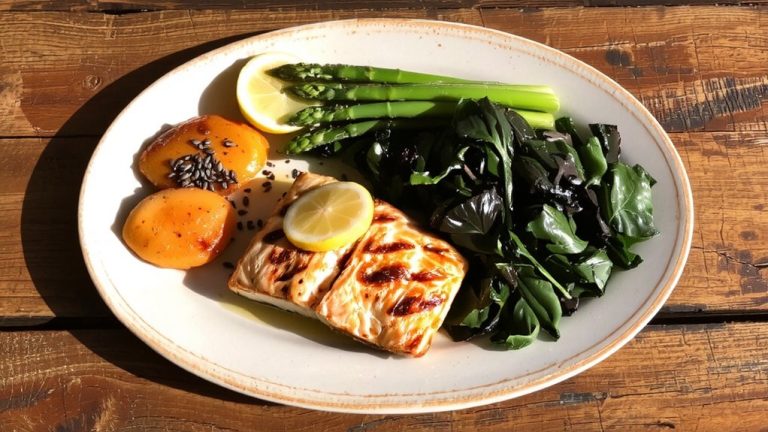
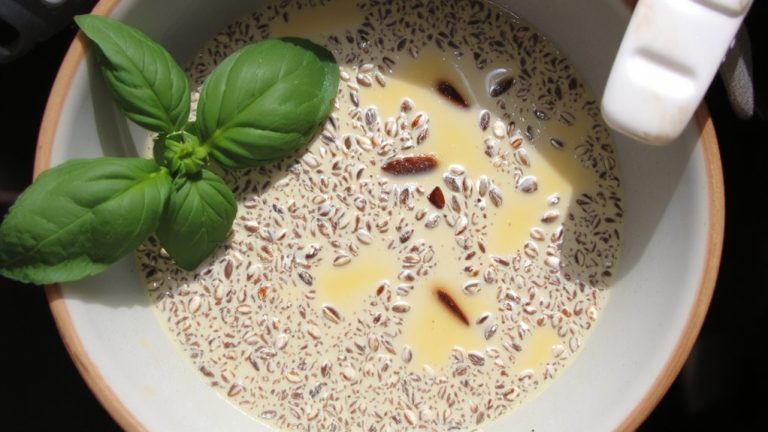
Think of your liver as the ultimate backcountry filter-one that never needs replacing, only consistent fuel to keep working. It handles toxins daily using natural enzymes, so skip the juice cleanses-your body’s already tuned for peak performance. For solid natural detox support, focus on real nutrition: eat 25–38 grams of fiber from beans, broccoli, and chia seeds to keep digestion smooth on long trail days. Hydration? Non-negotiable-aim for pale yellow urine to keep kidneys flushing waste efficiently. Load up on fruits and vegetables like blueberries, citrus, and apples; their natural acids help move out heavy metals. Ditch processed foods, cut alcohol, choose organic when possible, and stick to clean, whole foods. These habits sustain liver function, support healthy weight management, and boost energy. No gimmicks, no extremes-just smart fuel that keeps you trail-ready.
On a final note
Your body’s got detox handled with your liver and kidneys, so skip the gimmicks, especially when you’re training hard. Stick to proven recovery: 8 hours of sleep, 3 liters of water daily, and real food with antioxidants. For long trail runs or bike sessions, wear moisture-wicking base layers, carry a 2.5L hydration pack, and fuel every 45 minutes. Testers report better energy, faster recovery, and sharper focus when they trust biology, not juice cleanses.