Best Way to Clean a Mountain Bike
Clean your mountain bike after every muddy ride or every 10–25 hours in dry conditions to prevent grit buildup and rust. Start with the drivetrain: use degreaser on the chain, cassette, and pulleys, scrub with a stiff brush, then rinse with low-pressure water. Wash the frame with soapy water and a soft brush, avoiding bearings. Dry thoroughly with microfiber towels, inspect for damage, and finish with a quality lube on the chain-your drivetrain will shift smoothly and last longer, especially when you keep up with what happens out on the trail.
We are supported by our audience. When you purchase through links on our site, we may earn an affiliate commission, at no extra cost for you. Learn more. Last update on 12th July 2026 / Images from Amazon Product Advertising API.
Notable Insights
- Clean the drivetrain first using degreaser and a stiff brush to remove grime and prevent accelerated wear.
- Wash the frame with soapy water and a soft brush, avoiding high-pressure water that can damage bearings.
- Rinse from top to bottom with low pressure to safely remove dirt without forcing it into components.
- Dry thoroughly with microfiber towels, especially around pivots and the bottom bracket, to prevent rust.
- Inspect components during cleaning for wear, grit, or damage to ensure optimal performance and longevity.
Why You Should Clean Your Mountain Bike
While you’re tackling root-laden descents and muddy switchbacks, your mountain bike’s taking a beating from dirt and moisture that do more than just make it look rough-they’re actively dragging down performance and shortening component life. That gunk packed into your drivetrain consists of abrasive particles that increase friction and wear, sapping up to 10% of your pedaling efficiency. Left uncleaned, dirt and grime trap moisture, leading to rust on bolts, bearings, and pivots in just days. Cleaning your bike isn’t just about looks-it’s critical bike maintenance. A contaminated chain wears out 50% faster, and debris in derailleurs or suspension linkages can cut component life by 30%. Regularly remove dirt to keep your bike running smoothly. Letting muck build up causes creaks and poor shifts, so clean your bike after tough rides. Skip unnecessary washes without riding-Santa Cruz testing shows clean bikes with little use creak more. Keep your bike reliable by cleaning it right, not often. Always Clean a Mountain bike post-muck to prevent long-term damage.
How Often to Clean Based on Terrain and Weather
Since trail conditions directly impact how quickly gunk builds up on your bike, you’ll want to adjust your cleaning routine based on what you’re riding through-because a post-ride wash after a muddy romp isn’t just good habit, it’s how you prevent grit from grinding down your chain, clogging your derailleur, and seeping into headset and hub bearings. If you’re riding in wet or muddy conditions, clean your bike after every ride-water carries grime that causes corrosion. In a dry environment, dust and dirt still build up, so plan to wash your bike every 10–15 hours of riding to protect bearings. Remove the wheels occasionally to check hidden grime. In clean, dry terrain, a thorough cleaning every 20–25 hours is enough. Over-cleaning without riding increases creak risks, so balance is key. Always dry your bike after a wash.
Must-Have Cleaning Tools and Soaps
You already know how often to clean your bike based on trail conditions, and now it’s time to get into what you’ll need to do the job right. Grab essential cleaning tools like a soft brush for the frame and a stiff brush dedicated only to the drivetrain to avoid cross-contamination. Use two buckets: one with warm soapy water for the frame, and another with bike-specific degreaser for the chain and drivetrain. Regular dish soap like diluted blue Dawn works fine, but Muc-Off or Pedro’s offer optimized, safe formulas. A quality degreaser cuts through grime without harming chain seals or the environment. Always finish with clean microfiber towels to wipe down the frame and drivetrain, preventing water spots and rust. These steps keep your bike running smooth, clean, and ready for the next ride.
Scrub the Drivetrain First
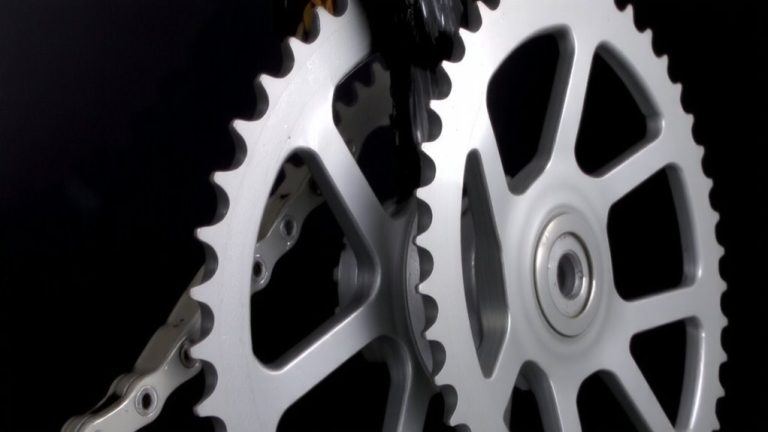
Start by tackling the drivetrain first, since it’s usually the dirtiest part and easiest to clean before rinsing the rest of the bike. Spray a bike-specific degreaser on the chain, cassette, and chainrings to cut through grime. Use a stiff-bristled brush to scrub the chain while you rotate cranks slowly backward. Focus on each link for full coverage. Then, switch to an old toothbrush for the derailleur pulley wheels, getting gunk out from between the teeth.
| Component | Tool | Action |
|---|---|---|
| Chain | Stiff-bristled brush | Scrub while rotating cranks |
| Cassette | Cassette brush | Clean between sprockets |
| Derailleur pulleys | Old toothbrush | Scrub with degreaser |
Rinse everything with low-pressure water-no need to power wash-just enough to wash away the sludge without forcing dirt into bearings.
Wash the Frame and Avoid Bearings
After clearing the bulk of grime from the drivetrain, shift your focus to the frame, where built-up dirt can hide in hard-to-reach spots and compromise performance if left unchecked. Start to wash the frame by using low-pressure water to rinse from top to bottom, which helps avoid bearings like those in the headset, bottom bracket, and hubs. Never use a pressure washer-pressures over 100 psi can damage bearing seals and invite water into sensitive areas. Instead, use a soft brush and warm soapy water to gently scrub the frame. Focus on clean tight areas like the chainstays, seat tube junction, and fork stanchions with a smaller brush. Always avoid bearings when spraying or brushing. Finally, wipe down the frame with a microfiber cloth to remove excess moisture, especially around bearing housings.
Dry Completely and Check for Damage
While water may seem harmless, leaving any moisture trapped in pivot points or bolt heads can lead to rust, creaks, and even bearing failure down the trail-so drying thoroughly isn’t just maintenance, it’s protection. Use a clean microfiber cloth to dry completely, focusing on the drivetrain, pivot points, and bottom bracket where grime hides. For tight spots like suspension linkages, blast out moisture with compressed air or let your clean bike sit in direct sunlight for at least 30 minutes. Once dry, check for damage: inspect the bike frame, welds, and carbon parts for cracks or blisters. Spin the wheels and examine tire treads for cuts or bubbles. Look at brake rotors for warping, and test hubs, headset, and bottom bracket for smooth, grit-free movement. A full check of frame and wheels now saves serious issues later.
Lube the Chain After Every Wash
| Feeling | Without Lube | With Proper Lube |
|---|---|---|
| Chain performance | Creaky, slow shifts | Smooth, precise |
| Wear over time | Up to 30% faster | Minimized |
| Ride quality | Rough, noisy | Quiet, efficient |
On a final note
Clean your mountain bike after every muddy ride or every 3–5 rides in dry conditions, using biodegradable soap and a soft brush. Focus on the drivetrain, then frame, avoiding high-pressure sprays near bearings. Dry thoroughly with a microfiber towel, inspect for cracks or wear, and always apply a durable lube like Finish Line Wet in humid climates or Silca in dry ones-12 drops on the chain, pedaling backward. Proper care keeps your SRAM GX Eagle or Shimano XT running smooth, extends component life by up to 40%, and guarantees reliable shifts mile after mile.